
Tire Types & Tread Patterns
Garden Tractor Tires: Sizes, Tread and How to Choose
Garden tractor tires are bigger and tougher than lawn mower tires because the machine is heavier, from 660 to 2,200 lbs (300 to 1,000 kg). Rears run large, such as 23x8.50-12 or 26x12.00-12. Choose turf tread for lawns, lug tread for dirt, and match both rears.
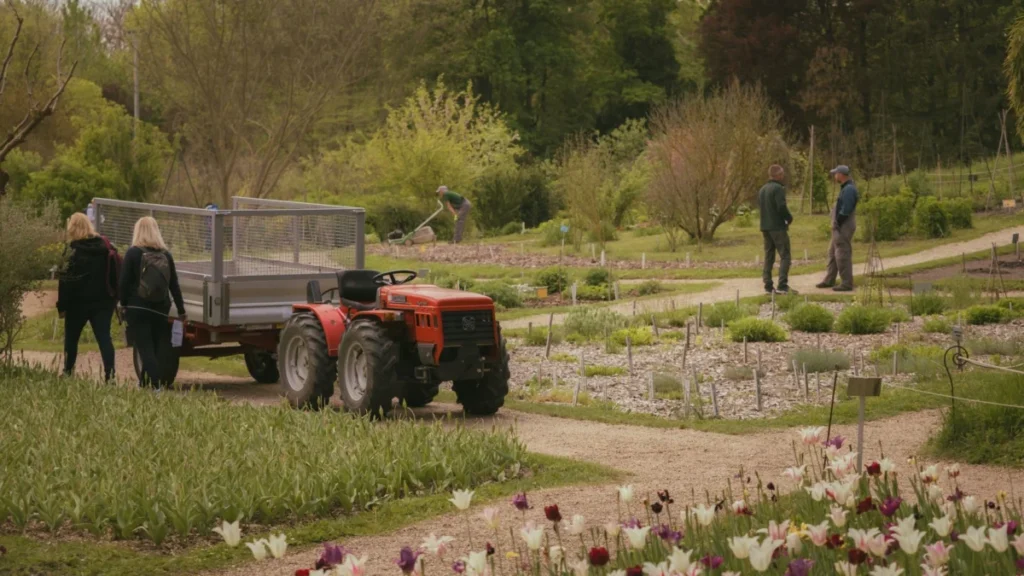
A garden tractor is a lawn tractor that went to the gym. It lifts more, pulls more and needs tires that can keep up.
Garden tractor tires are bigger and tougher than lawn mower tires because the machine is heavier, from 660 to 2,200 lbs (300 to 1,000 kg). The rears are large, in sizes such as 23×8.50-12 or 26×12.00-12. Choose a turf tread for lawns, a lug tread for dirt, and match both rears.
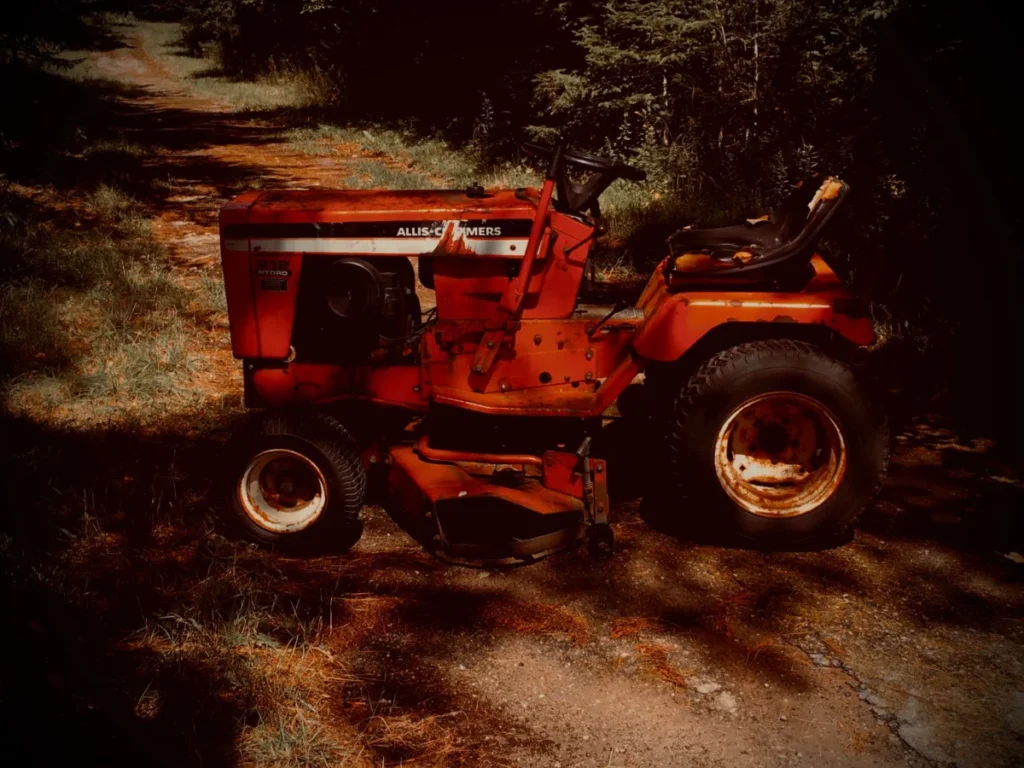
What makes a garden tractor different from a lawn tractor?
Weight and power, mostly. Lawnmanual gives these ranges, and says they overlap:
| Lawn tractor | Garden tractor | |
|---|---|---|
| Weight | 220 to 660 lbs (100 to 300 kg) | 660 to 2,200 lbs (300 to 1,000 kg) |
| Engine | Usually under 20 hp | Typically 25 hp or more |
| Wheels | Often the same size all round | Much larger rears, smaller fronts |
| Drive | 2WD, rear-wheel drive | 4WD and diff lock on many models |
The tires follow the machine. A heavier tractor with big rear wheels needs a bigger, stronger tire than a mower does. If your machine sits at the lighter end, our guide to lawn tractor tires may fit better.
What size tires does a garden tractor use?
Small fronts and large rears, written in the three-number format: diameter, tread width, rim, all in inches. Giga Tires lists typical lawn and garden diameters from 15 to 20 inches, and garden tractor rears often run larger. These are the larger turf and utility sizes in our catalog:
| Size | Overall diameter | Tread width | Rim |
|---|---|---|---|
| 23×8.50-12 | 23 in (584 mm) | 8.5 in (216 mm) | 12 in (305 mm) |
| 26×12.00-12 | 26 in (660 mm) | 12 in (305 mm) | 12 in (305 mm) |
| 27×8.50-15 | 27 in (686 mm) | 8.5 in (216 mm) | 15 in (381 mm) |
Read the size off the tire you are replacing. Rim size must match exactly. If you are not sure what a number means, our tire size converter decodes any size.
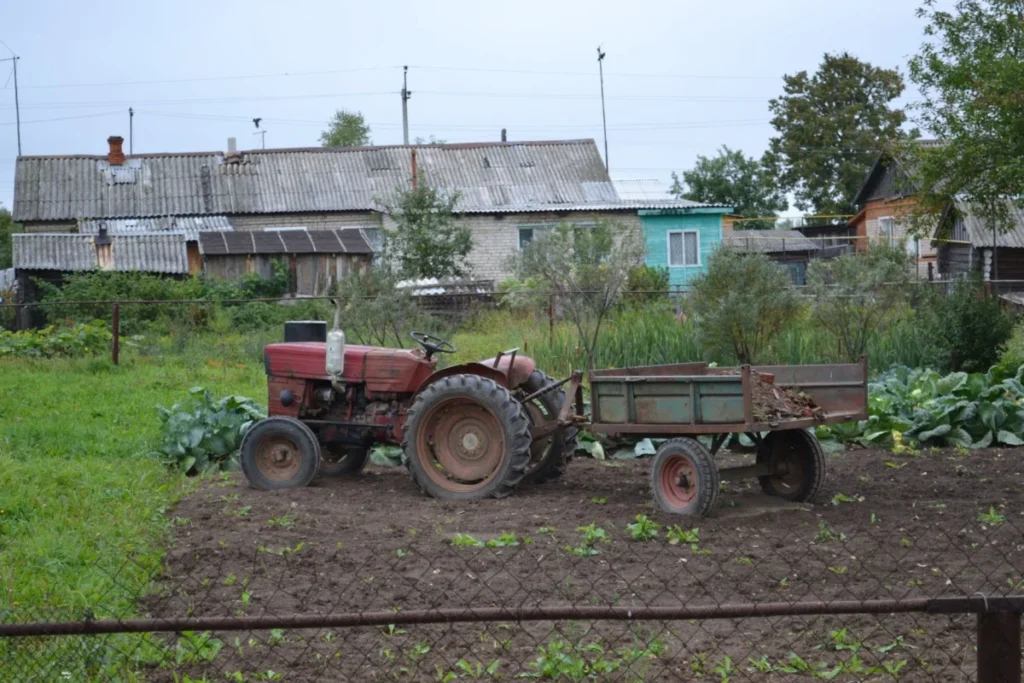
Turf or lug: which tread does a garden tractor need?
Match the tread to the ground you actually drive on. Giga Tires describes the options this way:
- Chevron turf: the most common pattern, with balanced grip on wet or dry grass.
- Round-shoulder turf: turns tight with little turf damage.
- Wide-footprint chevron: spreads the weight, so it suits large machines and heavy towing.
- Lug traction: deep lugs for soft dirt, trenching and ditching. Likely to damage a typical lawn.
Rule of thumb: if the tractor lives on grass, run turf. If it works a vegetable plot, a driveway or a field edge, a lug tread pulls better. Many owners keep one set for each job. Farm tractors group the same families under codes such as R-3 for turf, and our tread types guide explains them. The Carlisle Turf Saver is a flotation-style turf tire built to spread weight.
How do you match garden tractor tires front to rear and side to side?
Replace the two rears together, with the same size and tread on both sides. A mismatched pair makes the tractor pull to one side and wears the drivetrain. Fronts follow the same rule. Never mix a bias tire and a radial tire on one axle, and keep the rear and front sizes in the combination your manual lists.
How much load can a garden tractor tire carry?
The ply rating tells you. Load range A is 2-ply, B is 4-ply, C is 6-ply, D is 8-ply, E is 10-ply and F is 12-ply, and higher plies carry heavier loads. If you tow a trailer or run a loader, go up a ply rating, not down. NHS on the sidewall means non-highway service, so the tire is not rated for road speeds.
What pressure should garden tractor tires run?
Follow the sidewall. Riding mower tires typically run 10 to 20 psi (0.7 to 1.4 bar), but a heavier tractor on larger tires can differ. Never exceed the maximum printed on the sidewall, and check both rears are equal before you mow.
How do you pick the right garden tractor tire in five steps?
- Read the old tires. Garden tractors run different front and rear sizes, so record both.
- Match the rim. The last number in the size must be the same.
- Choose the tread. Turf for lawns, lug for dirt, trenching and field edges.
- Choose the ply. Go up a ply rating if you tow or run a loader.
- Replace the rears as a pair. Then set the pressure from the sidewall.
Can you fit bigger tires on a garden tractor?
Sometimes, but measure first. A taller rear tire raises the tractor and changes ground speed, since each turn covers more ground. It can also rub the fender or the deck. A wider tire needs room in the wheel well and spreads the weight more. Check the sizes your manual lists before you order.
When you should not buy from us
Skip the quote if the tires hold air and the tread is even, or if you have a simple puncture that a local shop can repair. And if your tractor runs a small front size under 18 inches, we do not list it. Tell us what you have and we will say so up front.
Browse every size on our tire size index, or send us your size on WhatsApp. We’ll find the tire. We’ll probably make a garden pun. Consider it free, and it grows on you.
Questions
What size tires does a garden tractor use?
Small fronts and large rears. Rear sizes such as 23x8.50-12, 26x12.00-12 and 27x8.50-15 are common on heavier machines. Read the size off your current tire.
What is the difference between lawn tractor and garden tractor tires?
Garden tractors weigh 660 to 2,200 lbs (300 to 1,000 kg), against 220 to 660 lbs (100 to 300 kg) for lawn tractors, so their tires are larger and stronger, especially at the rear.
Should I use turf or lug tires on a garden tractor?
Turf if the tractor lives on grass. Lug if it works dirt, mud or trenching and you accept some lawn damage. Some owners keep a set of each.
Can I replace just one garden tractor tire?
Avoid it. Replace the two rears together with the same size and tread, or the tractor pulls to one side.
What does the ply rating mean on a garden tractor tire?
It shows casing strength. Load range A is 2-ply, B is 4-ply, C is 6-ply and D is 8-ply. Higher plies carry heavier loads, which matters if you tow or run a loader.
What pressure should garden tractor tires run?
Follow the sidewall and your manual. Riding mower tires typically run 10 to 20 psi (0.7 to 1.4 bar), but heavier tractors on larger tires can differ.
Can I tow on the road with garden tractor tires?
Check the sidewall. NHS means non-highway service, so the tire is not rated for road speeds.
Do you sell garden tractor tires?
We supply larger turf and utility sizes such as 23x8.50-12, 26x12.00-12 and 27x8.50-15. We do not list small front sizes under 18 inches. Send us your size on WhatsApp.