
Farm tires
Flotation Tires
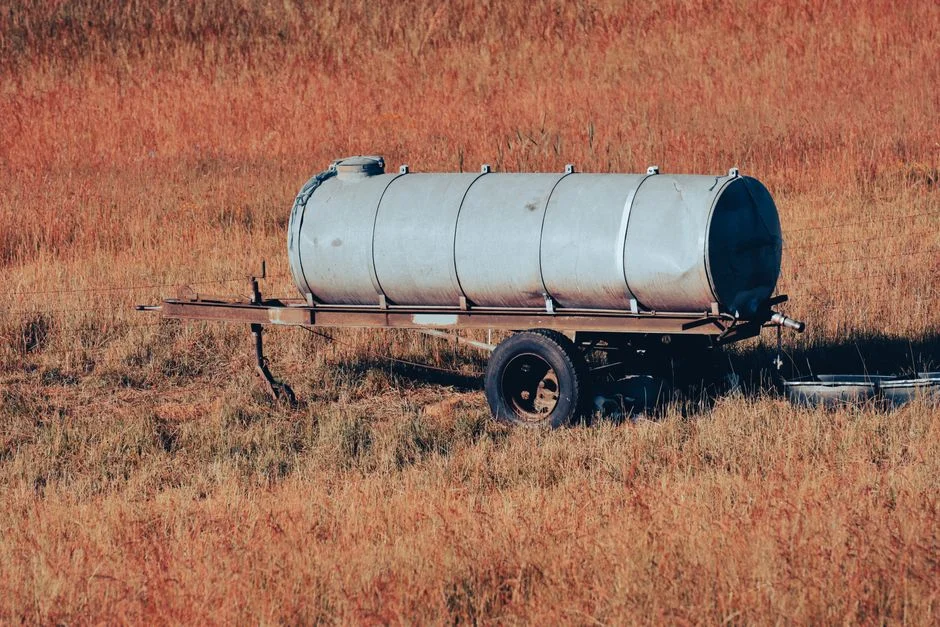
Flotation tires are wide, low-pressure tires that spread a heavy load over a bigger footprint, so wagons, spreaders, tanks and grain carts sink less and leave shallower ruts in soft or wet fields. We supply bias I-3 flotation sizes like 12.5/80-15.3 and radial sizes up to 710/50R26.5, new and used.
- 8sizes listed
- New & usedcondition options
- 20brands sourced
- About 1 weekshipping to the USA & Europe
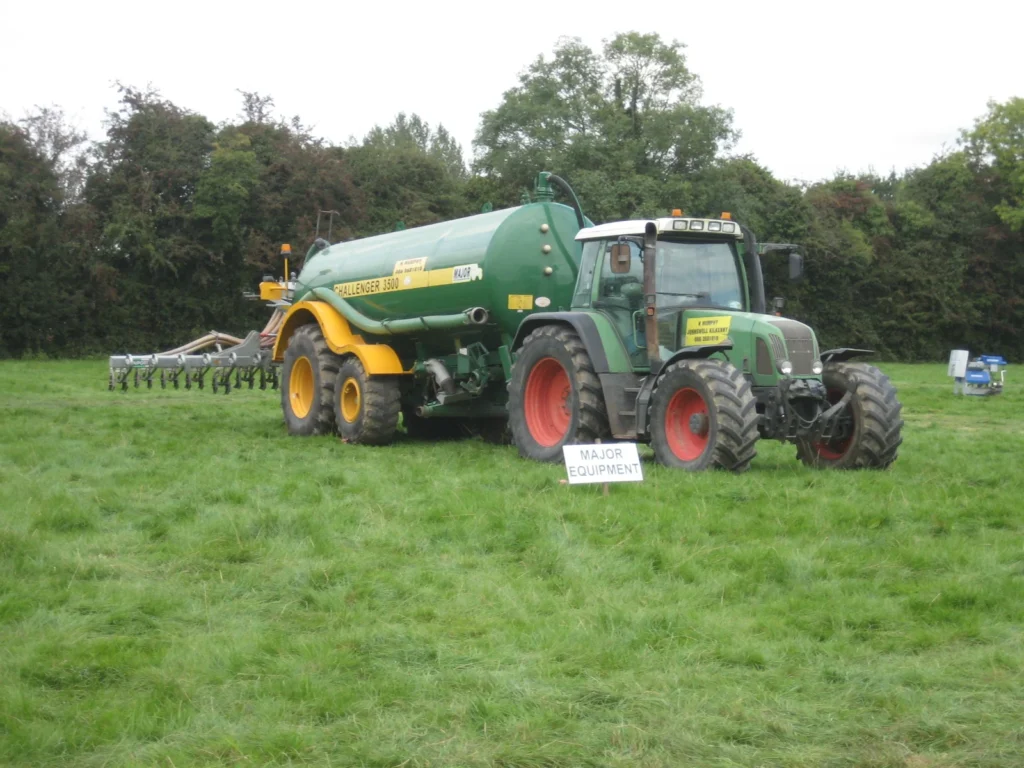

Flotation Tires sizes
Flotation Tires
| Size | Tread | Construction | Typical use | Add to quote |
|---|---|---|---|---|
| 10.0/75-15.3 | I-3 | Bias | Farm wagon / implement | |
| 12.5/80-15.3 | I-3 | Bias | Farm wagon / implement | |
| 15.0/55-17 | I-3 | Bias | Farm wagon / implement | |
| 560/60R22.5 | VF / flotation | Radial | Heavy wagon / implement | |
| 600/50R22.5 | VF / flotation | Radial | Heavy wagon / implement | |
| 650/55R26.5 | VF / flotation | Radial | Heavy wagon / implement | |
| 710/50R26.5 | VF / flotation | Radial | Heavy wagon / implement | |
| 18.4/15-30 | I-3 | Bias | Heavy farm implement |
That size isn’t in this list — we can often still source it. Ask us on WhatsApp
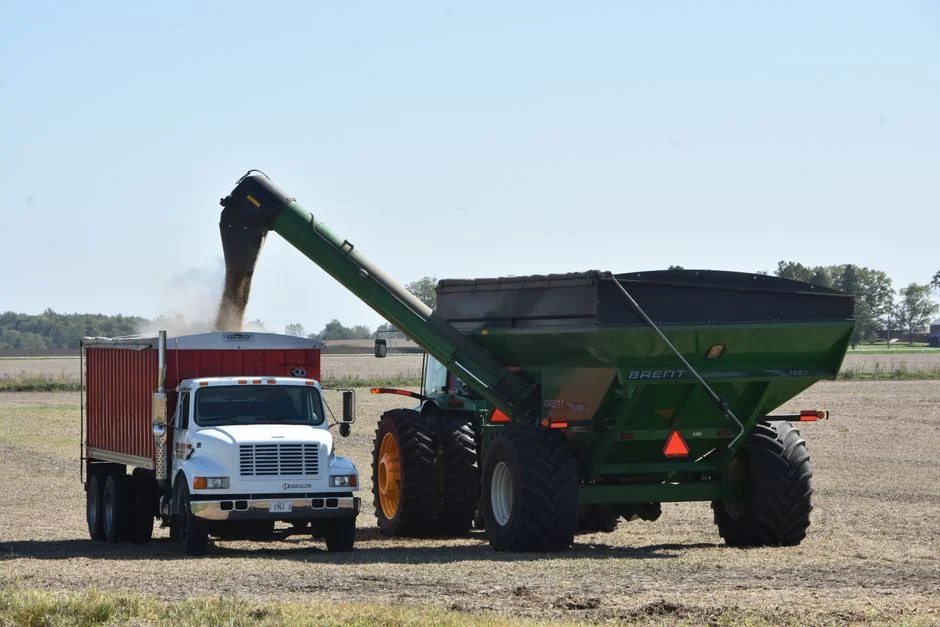
Flotation tires spread the load so heavy machines stay on top of soft ground
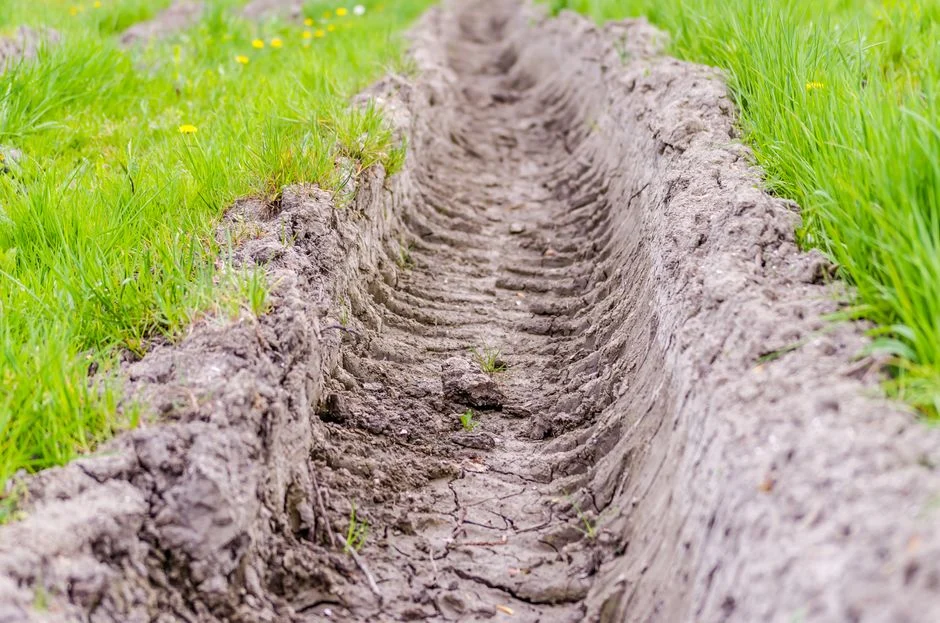
A flotation tire is wide, runs at low pressure and puts a big patch of rubber on the soil. The same weight is shared over more square inches, so the wheel sinks less and leaves a shallower rut. Flotation tires stay on top of things, which is more than we can say for the rest of the field in April.
The idea is plain arithmetic: pressure on the ground is weight divided by footprint. Here is a worked example. Say one tire carries 12,000 lbs (5,443 kg) on a grain cart. NTS Tire Supply cites footprints of 800 sq in (5,161 cm²) for a bias tire and 1,490 sq in (9,613 cm²) for a VF 900/60R32 on a 750-bushel-plus cart. Our maths:
| Footprint | Load per tire | Average ground pressure |
|---|---|---|
| 800 sq in (5,161 cm²), bias | 12,000 lbs (5,443 kg) | 15.0 psi (1.03 bar) |
| 1,490 sq in (9,613 cm²), VF radial | 12,000 lbs (5,443 kg) | 8.1 psi (0.56 bar) |
That is a simple average, not a lab result. Lugs and stiff sidewalls move the real numbers around. The direction is what matters: nearly double the footprint, nearly half the squeeze.
Why compaction is worth worrying about
- Healthy soil is roughly 25% air, 25% water, 45% mineral and 5% organic matter. Compaction squeezes out the air and water first, according to Farm Progress.
- Iowa State soil specialist Mahdi Al-Kaisi says 60% to 80% of compaction happens on the first wheel passes. One heavy trip across wet ground can do most of the damage.
- NTS cites a Penn State study: deep compaction can cut yields by about 5% for 12 years or more.
So the cheapest bushel you will ever save is the one you do not squash. (The most expensive tire problem is the one you only notice next July.)
How are flotation tires different from traction tires?
Flotation is about footprint. Traction is about grip. Many tires trade one for the other, which is why a plow tractor and a grain cart wear different shoes. Tire Review frames it the same way: width, diameter and pressure drive flotation, while lug design drives traction.
| Flotation tire | Traction tire | |
|---|---|---|
| Main job | Carry weight without sinking | Pull, push and grip |
| Typical shape | Wide, often low profile, rounded shoulders | Taller sidewall, deep angled lugs |
| Typical tread | Ribs or shallow lugs | R-1 or R-1W bars |
| Fitted to | Grain carts, wagons, spreaders, tanks, implements | Drive axles on tractors |
| Weak spot | Little pulling grip in deep mud | Bigger ruts under heavy loads |
Rule of thumb: if the machine carries weight, think flotation. If it pulls weight, think traction. Our R-1, R-2, R-3 and R-4 guide and R-1 vs R-1W comparison cover the traction side.
What do the numbers on a flotation tire mean?
Flotation sizes use the same width, aspect ratio and rim pattern as other tires. Two examples from our catalog:
- 12.5/80-15.3: 12.5 in (318 mm) section width, sidewall 80% of the width, bias construction (the dash), 15.3 in rim.
- 710/50R26.5: 710 mm (28 in) section width, sidewall 50% of the width, radial construction (the R), 26.5 in rim.
The rim sizes 15.3, 22.5 and 26.5 are their own diameters. A 15.3 in rim is not a 15 in rim, and the tire will not seat on the wrong one. Overall diameter is rim plus two sidewalls. Here is that sum for every flotation size we list:
| Size | Section width | Sidewall height | Rim | Overall diameter |
|---|---|---|---|---|
| 10.0/75-15.3 | 10.0 in (254 mm) | 7.5 in (191 mm) | 15.3 in (389 mm) | 30.3 in (770 mm) |
| 12.5/80-15.3 | 12.5 in (318 mm) | 10.0 in (254 mm) | 15.3 in (389 mm) | 35.3 in (897 mm) |
| 12.5/80-18 | 12.5 in (318 mm) | 10.0 in (254 mm) | 18 in (457 mm) | 38.0 in (965 mm) |
| 560/60R22.5 | 22.0 in (560 mm) | 13.2 in (336 mm) | 22.5 in (572 mm) | 48.9 in (1,244 mm) |
| 600/50R22.5 | 23.6 in (600 mm) | 11.8 in (300 mm) | 22.5 in (572 mm) | 46.1 in (1,172 mm) |
| 650/55R26.5 | 25.6 in (650 mm) | 14.1 in (358 mm) | 26.5 in (673 mm) | 54.7 in (1,388 mm) |
| 710/50R26.5 | 28.0 in (710 mm) | 14.0 in (355 mm) | 26.5 in (673 mm) | 54.5 in (1,383 mm) |
These are nominal numbers from the size code. Real tires vary a little by brand, so check the maker's data sheet before you measure a fender. Our tire diameter calculator does the sum for any size, and tractor tire sizes explained covers the full code.
Truck and ATV flotation sizes read differently
You will also see sizes like 31x10.50R15 on pickups and UTVs. That format gives the overall diameter first (31 in, 787 mm), then the width (10.5 in, 267 mm), then the rim. A 27x8.50R14 is close to a 215/75R14 in metric. Farm flotation sizes skip the diameter and lead with the width. If you are converting between systems, try our tire size converter.
Bias or radial: which flotation tire is right?
We are not biased. Well, one of them is. Bias tires are cheaper and firm. Radials cost more and give a larger, smoother footprint. Our radial vs bias-ply guide goes deeper.
| Bias flotation | Radial flotation | |
|---|---|---|
| Our sizes | 10.0/75-15.3, 12.5/80-15.3, 12.5/80-18 | 560/60R22.5, 600/50R22.5, 650/55R26.5, 710/50R26.5 |
| Best for | Light wagons, hay equipment, slow implements | Heavy grain carts, spreaders and tanks |
| Ride on the road | Firmer | Smoother |
| Footprint | Smaller for the same width | Larger and flatter |
| Price | Lower | Higher |
What IF and VF add
IF (increased flexion) and VF (very high flexion) are radials built to flex more. An IF tire carries the same load as a standard radial at up to 20% lower pressure. A VF tire does it at up to 40% lower, as AgWeb reports. No-Till Farmer quotes a tire maker saying IF and VF cut compaction force by 20% to 40%, and Michelin claims up to 4.31% more yield at recommended field pressures. Those are manufacturer figures, so treat them as a best case. Our IF vs VF guide explains the codes. You only get the benefit if you actually run the lower pressure.
Which flotation size suits which job?
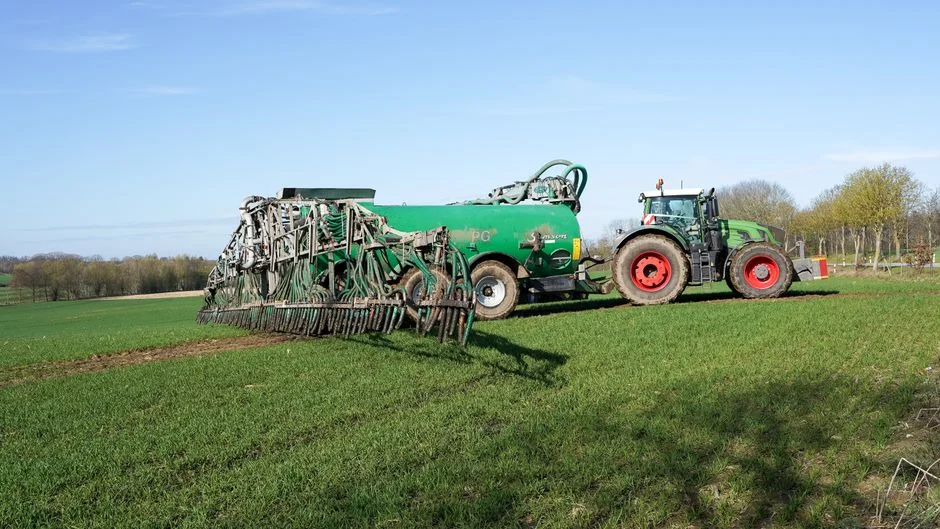
Start with the machine, then the heaviest load it carries. The heavier and wetter the job, the wider the tire and the more you want radial.
| Job | Where to look | Why |
|---|---|---|
| Hay wagon, light implement | Bias, such as 12.5/80-15.3 (318 mm section, 389 mm rim) | Lower price, firm sidewall, easy to find |
| Manure spreader, slurry tank | Radial, such as 560/60R22.5 (560 mm, 22.5 in rim) | Heavy loads and road transport |
| Large grain cart | Radial up to 710/50R26.5 (710 mm, 26.5 in rim) | Biggest footprint, smoothest ride on the road |
| Planter, light drill, small trailer | Bias 10.0/75-15.3 (254 mm, 15.3 in rim) | Light load, low cost |
Weigh the loaded machine, not the empty one. If the tractor towing the cart must stay planted, run the numbers in our ballast calculator. Planter and drill sizes also live on our planter and implement tires page, and the wider range is in farm equipment tires.
What do flotation tires cost in our catalog?
Honest answer: it depends on construction. We checked our own price sheet for every flotation listing. Prices are in USD per tire, and the quote confirms the final number.
| Bias flotation | Radial flotation | |
|---|---|---|
| Models listed | 5 | 3 |
| Size listings | 12 (11 with a price) | 10 (9 with a price) |
| Price range | $162 to $900 | $1,150 to $1,425 |
| Middle price | $312 | $1,230 |
Two things to read into that. First, the radial range is tight, so brand matters less than size and load rating. Second, the bias range is wide because ply rating, brand and size all move it. A pair of radials at the middle price is about $2,460 before freight. See Maxam FlotXtra MS961R, Nokian Country King and Trelleborg Twin Radial for the radial listings, or the full tire catalog. Our tire cost guide covers what moves the price.
How should you run flotation tires in the field?
Run the lowest pressure the manufacturer's load and inflation table allows for your weighed load. Lower pressure gives a bigger footprint, but going below the table is how sidewalls get hurt. We need to have a pressurized conversation about gauges. The pre-harvest checklist below follows the Michigan State recommendations reported by AgWeb:
- Weigh each axle after loading or ballasting.
- Read the maker's load and inflation table for that weight.
- Use a gauge that reads in 1 psi (0.07 bar) steps.
- Check pressure when the tires are cold.
- On fluid-filled tires, park with the valve stem at the same position each time.
- Match pressure across the axle.
Farm Progress adds field habits: use dedicated travel lanes, do not run the cart at full capacity on wet ground, and keep non-harvest traffic near the field exit. Our tractor tire pressure guide shows how to read a table.
What should you check before fitting wider tires?
Upsizing a wagon or cart is common, but the tire must fit the machine. Work down this list:
- Axle rating: the new tires must carry the loaded weight per wheel.
- Rim diameter and rim width: both must suit the tire. See our wheels and rims range.
- Clearance: width, overall diameter and inner frame space, plus fenders, chains and steering stops.
- Ground speed: road work needs the right speed symbol. A8 is 40 km/h (25 mph), B is 50 km/h (31 mph) and D is 65 km/h (40 mph). Our load index and speed rating tool decodes it.
- Matching pairs: same size and construction on each axle.
Which mistakes make flotation tires work harder than they should?
- Running road pressure in the field. A wide tire floats only at the lowest pressure the table allows.
- Guessing the load. Weigh the loaded cart.
- Treating 15.3 as 15.
- Fitting a wide tire on a narrow rim.
- Mixing sizes or constructions on one axle.
- Ignoring the speed symbol on road trips.
- Skipping the cold-pressure check and trusting yesterday's reading.
- Expecting flotation tires to pull like lugs.
How do you pay less for flotation tires?
Buy the size the job needs, not the biggest on the shelf. A cart that never leaves dry ground does not need a radial VF.
- Consider used. We send photos of the actual tire before you pay. Read how to inspect used tractor tires first, and check the last four digits of the DOT code for the week and year of manufacture (0308 is week 3 of 2008, per NHTSA).
- Keep your rims if the diameter and width suit the new tire.
- Pick bias for light, slow equipment.
- Order the full set in one shipment so freight is shared.
- Send the loaded weight so we do not quote more tire than you need.
Tread carefully with used tires, and we will help with the photos.
When should you not buy flotation tires?
- Ruts are not a problem on your ground. Standard tires cost less.
- The machine needs traction, not flotation. A tractor pulling a plow wants lugs.
- The frame cannot clear the width. A tire that rubs is a tire that fails.
- You work soft ground all season with a very heavy machine. Look at tracks.
- You still have not settled on construction. Read the radial vs bias-ply guide first.
What should you send us for a quote?
- The size from the sidewall, or a photo of it.
- The machine (wagon, cart, spreader or tank) and its loaded weight.
- New or used, and how many.
- Where to ship: USA or Europe.
We ship in about 1 week and take payment by Zelle. Ask for a quote or message us on WhatsApp. We will find the tire. We will probably make a tread joke too. The joke is free.
Questions
What is a flotation tire?
A wide, low-pressure tire that spreads weight over a larger footprint, so heavy equipment sinks less and compacts the soil less.
What are flotation tires used for on a farm?
Grain carts, wagons, manure spreaders, slurry tanks, sprayers and heavy implements, anywhere a loaded machine crosses soft or wet ground.
Are flotation tires good for tractors?
They suit carrying jobs, not pulling jobs. A tractor on the drive axle needs traction lugs. Flotation sizes belong on the cart, wagon or implement behind it.
What does VF mean on a tire?
VF means very high flexion. A VF radial carries the same load as a standard radial at up to 40% lower pressure. IF (increased flexion) allows up to 20% lower.
What does 15.3 mean in 12.5/80-15.3?
It is the rim diameter in inches. A 15.3 in rim (389 mm) is a flotation rim size and is not the same as a 15 in rim.
What pressure should I run in flotation tires?
Use the manufacturer load and inflation table for your weighed load. Run the lowest pressure the table allows, checked cold, and never go below the table value.
Do flotation tires really reduce soil compaction?
They help. A wider footprint spreads the load, and 60% to 80% of compaction happens on the first passes, so run low pressure from the first trip.
Is radial or bias better for a grain cart?
Radial usually suits heavy grain carts: a larger footprint and a smoother ride on the road. Bias is a fine choice for lighter wagons and slow implements.
How do flotation sizes like 31x10.50R15 differ from farm sizes?
Truck sizes give overall diameter first, then width, then rim. Farm flotation sizes lead with section width, then aspect ratio, then rim.
Can you ship flotation tires to the USA and Europe?
Yes. We ship to both in about 1 week, new or used, and take payment by Zelle. Send your size or a photo for a quote.