
Buying Guides
How Much Does a Tractor Tire Cost? Real Prices by Size
A tractor tire costs anywhere from about $74 for a small front tire to over $5,000 for a large radial rear. On our site, the middle half of 412 priced sizes costs $379 to $1,082 per tire, with a median of $700. Size, radial or bias construction, brand and load rating set the price.
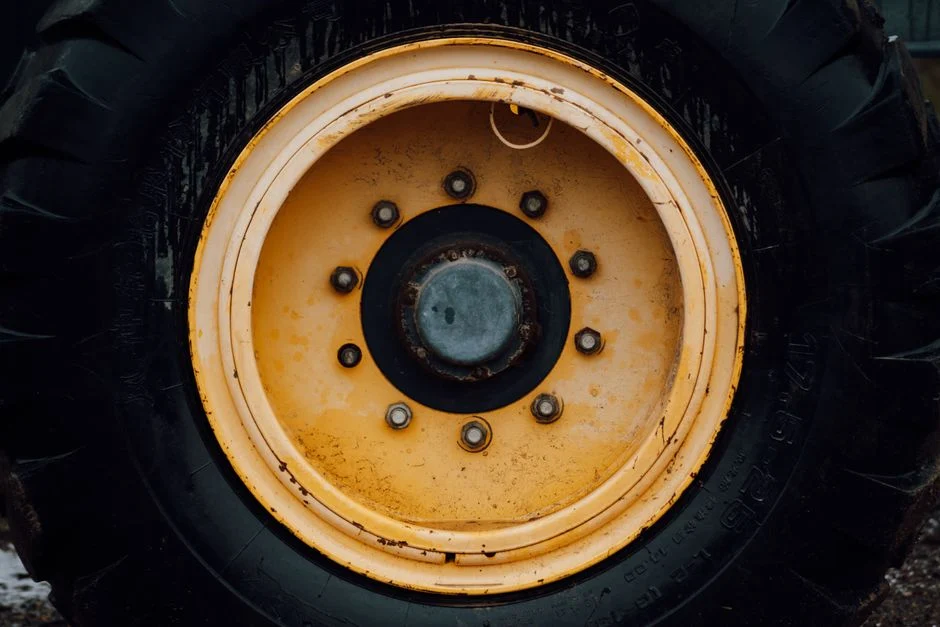
How much does a tractor tire cost? Somewhere between a nice dinner out and a used pickup. That’s not a joke. It’s the actual range. (Okay, it’s a little bit of a joke.)
On our site, front tractor tires start around $74 and big radial rears run past $5,000. Across all 412 priced sizes we list, the middle half costs $379 to $1,082 per tire, and the median is $700. Where your tire lands depends on five things: size, construction, brand, load rating and whether it’s new or used.
Let’s talk numbers. We’ll try not to make it a pressurized conversation.
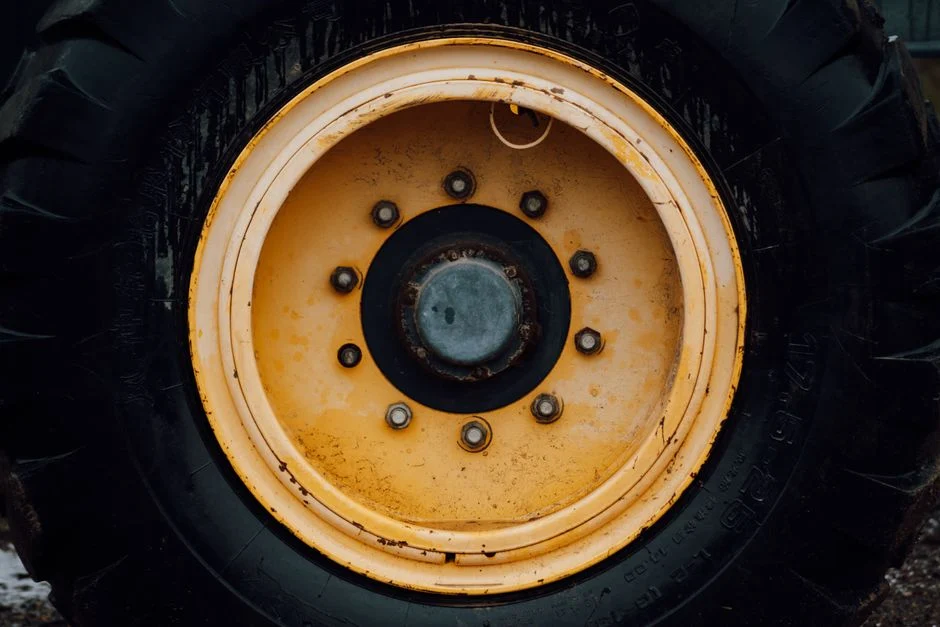
Tractor tire prices by type and size
These are real listed prices from our catalog, per tire, in US dollars. We picked a budget and a premium example for the most common sizes so you can see the spread.
| Tire type | Size | Example listings |
|---|---|---|
| Front 3-rib (F-2) | 6.00-16 |
Carlisle F-2 $110 · BKT TF 9090 $120 |
| Implement (I-1) | 11L-15 |
Carlisle I-1 $153 · Titan Hi-Flotation $160 |
| Skid steer | 12-16.5 |
Ascenso SSB 331 $255 · Ozka KNK66 $478 |
| Compact rear, bias | 12.4-24 |
Petlas TA60 $235 · BKT TR 135 $647 |
| Row-crop rear, bias | 18.4-38 |
Petlas TA60 $738 · Alliance 324 $1,013 · Titan Hi-Traction Lug $1,454 |
| Radial rear | 380/85R24 |
Galaxy Earth-Pro 853 $621 · Michelin AgriBib 2 $1,318 |
| Radial rear | 520/85R38 |
Ascenso TDR 850 $1,788 · BKT Agrimax RT 855 $2,148 · Michelin AgriBib 2 $2,420 |
| Flotation (wagon, cart) | 600/50R22.5 |
Nokian Country King $1,230 · Maxam FlotXtra $1,390 |
| Large radial rear | 650/65R38 |
BKT Agrimax RT 657 $2,526 · Michelin Multibib $4,141 |
| Large radial rear | 710/70R42 |
Trelleborg TM900 High Power $4,120 · Michelin MachXBib $5,022 |
Prices change with stock and season, so treat the table as a guide. The size page shows the live price. Send us your size on WhatsApp and we’ll quote the exact tire with shipping.
How much does a full set of tractor tires cost?
Most people asking how much are tractor tires really want the price of a set. Take a two-wheel-drive utility tractor and add up the listings above. Two 6.00-16 fronts at $110 each plus two 18.4-38 bias rears at $738 each comes to $1,696 before mounting. Swap in the premium versions ($120 fronts, $1,454 rears) and the same set is $3,148. Same tractor, almost double the bill.
Go radial on the rears and the number climbs again. Two 520/85R38 BKT Agrimax RT 855 at $2,148 each is $4,296 for the rear pair alone. Large-frame tractors on 710/70R42 radials can see a single tire cost more than the whole utility set above.
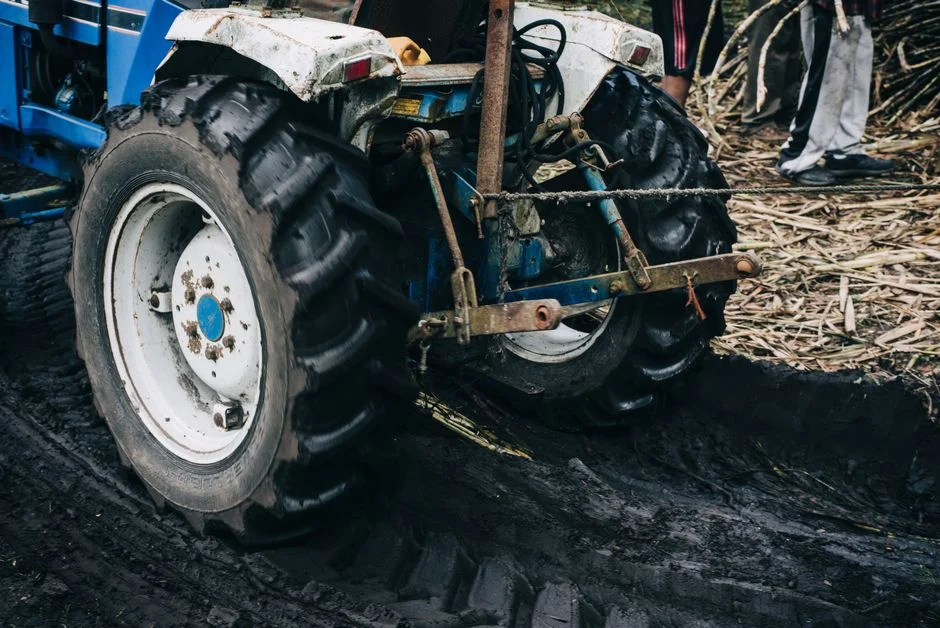
Why rear tractor tires cost more than front tires
Rear tires do the pulling. They’re bigger, wider and carry more weight, so they need more rubber, more steel and deeper lugs. A front 6.00-16 is a $110 problem. A rear 18.4-38 on the same tractor is closer to a $1,000 problem.
Rule of thumb: on a two-wheel-drive utility tractor, one rear tire often costs more than both fronts put together. On a front-wheel-assist tractor the fronts are driven tires too, so they cost more, though still less than the rears.
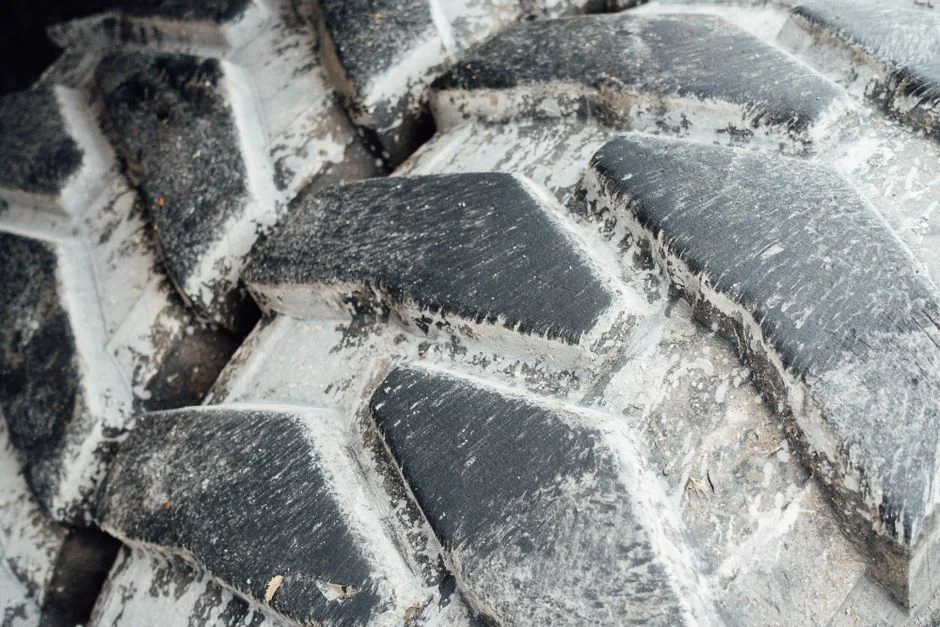
Five things that set the price of a tractor tire
- Size. The biggest factor by far. A
520/85R38costs roughly double a380/85R24in the same brand line. - Radial or bias. Radials cost more. Compare the same rim and rough size: a bias 18.4-38 lists from $738, while its radial cousins in the 520/85R38 class start around $1,788.
- Brand. Premium European and US names cost more than value brands made in India and Turkey. Same size, same job, very different invoice.
- Load rating. More plies, a higher load index or IF/VF technology means more material and a higher price. Our load index chart shows what you’re paying for.
- Tread type. Deep R-1W lugs, R-2 rice-and-cane treads and industrial R-4 treads use more rubber than a standard R-1. See tractor tire types explained.
Is a radial worth the extra money?
We’re not biased. Well, one of them is.
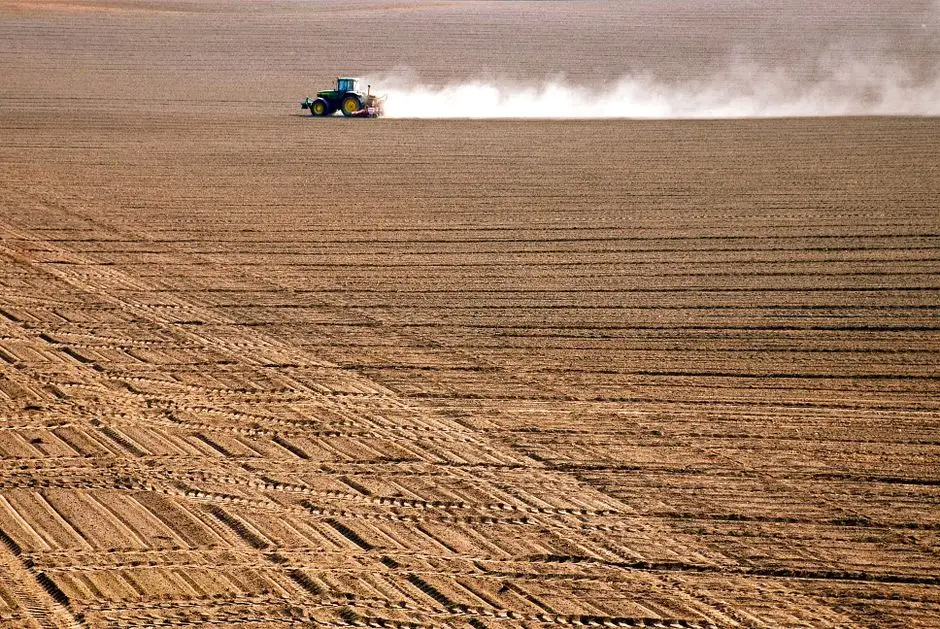
Honest answer: it depends on the hours. Radials put a longer, flatter footprint on the ground. The University of Kentucky extension service notes they give better fuel efficiency than bias tires, but they need more careful pressure management. If the tractor works long days in the field, that fuel saving keeps paying.
If it’s a loader tractor that mostly lives in the yard, a bias tire is often the smarter buy. Bias tires cost less and handle sidewall knocks better. The full trade-off is in radial vs bias-ply tractor tires.
How much do used tractor tires cost?
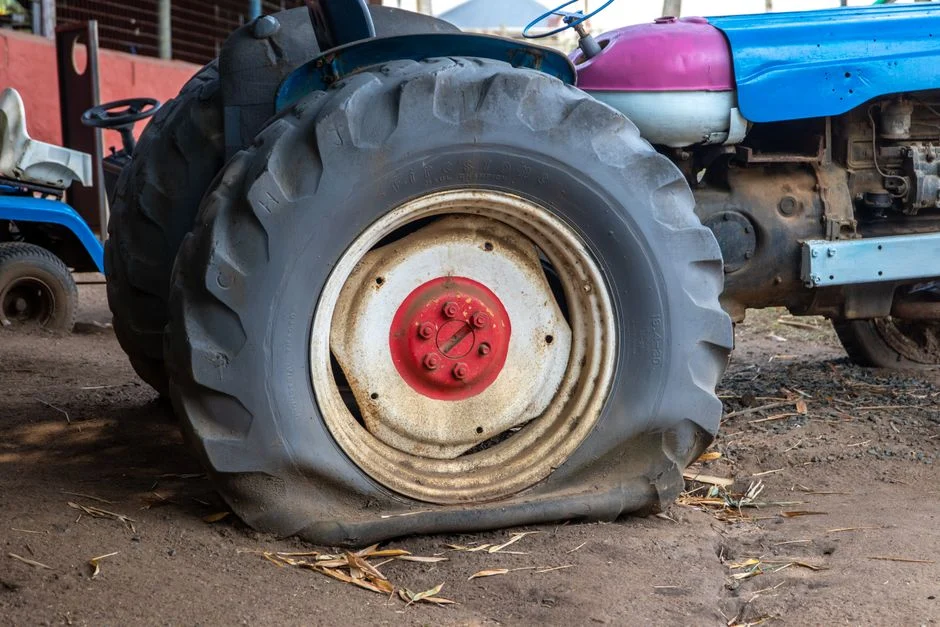
Less, obviously. Published guides put sound used large rears in the few-hundred-dollar range per tire, and retreads at roughly a third to a half below new, but these are estimates, not quotes. How much less depends on tread left, age and condition. The catch is that a used tire is only a bargain if it’s sound. Deep tread on a cracked, sun-baked casing is not a deal. It’s a countdown.
Before you pay for any used tire, check:
- The DOT date. The last four digits are the week and year it was made. NHTSA explains the code.
- Tread depth as a percentage of new.
- Sidewall cracks, cuts, bulges and repairs.
- Photos of the actual tire, not a stock picture. We get photos from our suppliers on request.
Our used tractor tire inspection guide walks through all eight checks. Tread carefully.
The costs on top of the tire price
The sticker price is rarely the final price. Budget for:
- Shipping. Big tires are heavy and awkward. We ship to the USA and Europe in about a week, and the quote includes freight so there are no surprises.
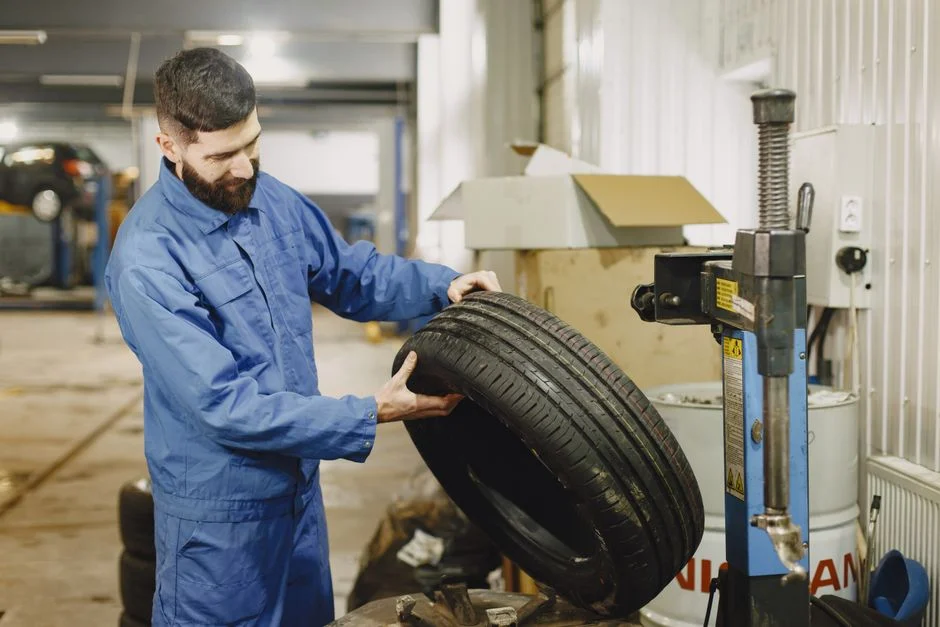
- Mounting and balancing. Published estimates range widely, from about $40 for a small tire at a shop to $200 or more per tire for large rears on a farm service truck. Call two local shops before you order, because a service call fee can matter more than the tire on small jobs.
- Tubes, valves and liquid ballast if your setup uses them.
- Disposal of the old tires. Many areas charge per tire, and large ag tires cost more to dump than car tires.
- Wheels. Changing to a different size can mean new rims. See our tractor tire size guide before you switch.
How to pay less for tractor tires
- Buy the right size, not the closest one. Read the size off the sidewall and check it with our tire size converter. A wrong tire costs twice: once to buy, once to send back.
- Match the tire to the job. Don’t pay for a premium radial on a tractor that mows twice a month.
- Consider a value brand for lighter work. Our cheapest 18.4-38 lists for about half the price of the priciest.
- Ask about IF and VF only if you need them. Increased Flexion and Very High Flexion radials carry the same load at lower pressure, which helps soil compaction on heavy tractors. On a lightly used tractor you are paying for capacity you will not use.
- Replace in pairs on the same axle. Mismatched wear costs you in traction and drivetrain stress.
- Look after the ones you have. Correct pressure is the cheapest tire upgrade there is. Our tractor tire pressure guide shows how.
When you don’t need to buy tires at all
Here’s a sentence a tire supplier isn’t supposed to write: you might not need new tires.
If the tractor is slipping, check the pressure first. If a tire is losing air, a repairable puncture is a local repair job, not a quote. If the tread is worn but the casing is sound and the tractor only does light work, keep running it. We’d rather you come back when you actually need tires.
Brand names move prices too. Our guides on Titan tires and Goodyear tractor tires show where each name comes from.
When you do, send us your size on WhatsApp. We’ll find the tire, give you a price with shipping, and probably make a terrible tread joke. The joke is free.
Questions
How much does a rear tractor tire cost?
On our site, a bias rear in the common 18.4-38 size lists from $738 to $1,454. Radial rears in the 520/85R38 size run from about $1,788 to $2,420, and large radials like 710/70R42 cost $4,000 to $5,000 or more.
How much do front tractor tires cost?
Small 3-rib front tires (F-2) such as 6.00-16 cost about $74 to $220 on our site. Driven front tires on front-wheel-assist tractors are larger and cost more.
Why are tractor tires so expensive?
They're large, heavy and built to carry several tons while pulling through soil. More rubber, steel and engineering go into a 520/85R38 than into a stack of car tires, and freight on big tires adds to the cost.
How much does a big tractor tire cost?
Large radial rears such as 650/65R38 list from about $2,526 to $4,141 on our site, and 710/70R42 from about $4,120 to $5,022. IF and VF versions usually cost more than standard radials.
Are used tractor tires worth it?
They can be, if the casing is sound. Check the DOT date, the tread depth, and the sidewalls for cracks, cuts and repairs, and ask for photos of the actual tire before you pay.
Is it worth buying radial tractor tires?
For tractors that work long hours in the field, often yes: radials give better fuel efficiency and a larger footprint. For yard and loader work, a cheaper bias tire is usually the better buy.
How long do tractor tires last?
It depends on hours, road use, pressure and load more than on years. Correct inflation and avoiding long fast road runs make the biggest difference. Replace tires with deep cracks, exposed cords or bulges regardless of tread left.
Does the tire price include shipping?
Our listed prices are per tire. When you request a quote, we include shipping to your address in the USA or Europe, and delivery takes about a week.
How much does a set of four tractor tires cost?
It depends on the tractor. On our site, a basic two-wheel-drive utility set (two 6.00-16 fronts and two 18.4-38 bias rears) lists from about $1,696 before mounting, and a premium bias set about $3,148. Radial rears push the total well higher.
How much does it cost to mount a tractor tire?
Published estimates run from roughly $40 for a small tire at a shop to $200 or more per tire for large rears done by a farm service truck. Mounting also covers balancing, valves and tubes if used. Get quotes from two local shops before you order.