
Buying Guides
Radial vs. Bias-Ply Tractor Tires: Which Should You Choose?
Radial vs bias tractor tires comes down to hours and ground. Radials flex at the sidewall and put a longer, wider footprint on the soil: more traction, less compaction and longer tread life, for a higher price. Bias tires cost less and suit loader, utility and low-hour work.
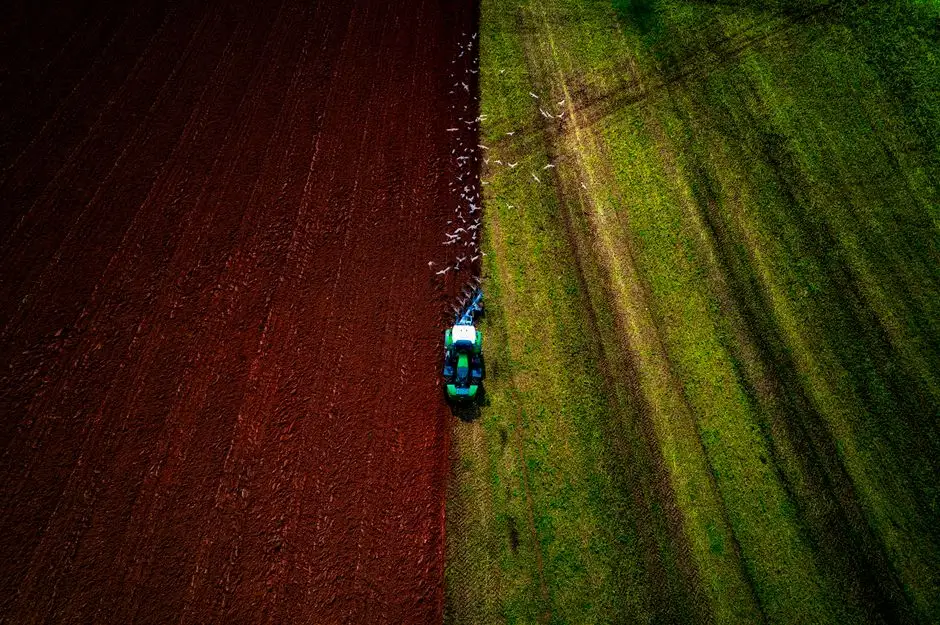
Radial vs bias tractor tires is the oldest argument at the farm store counter. We’re not biased. Well, one of them is. (It’s the one with the dash in its name.)
Here’s the short answer. Radial tires cost more up front but put a bigger footprint on the ground, so they pull better, compact less, burn less fuel and tend to wear longer. Bias-ply tires cost less and have tougher sidewalls, which suits loader work, rough ground and tractors that don’t log many hours. The size on the sidewall tells you which one you have: a dash means bias (18.4-38), an R means radial (18.4R38 or 520/85R38).
The same split holds for every size of farm tires, from one tire for a farm tractor to a full fleet set. Below you’ll find how each is built, a side-by-side table, a break-even table for the price gap, a bias-to-radial size chart, IF and VF radials, and a count of what we list in each type.
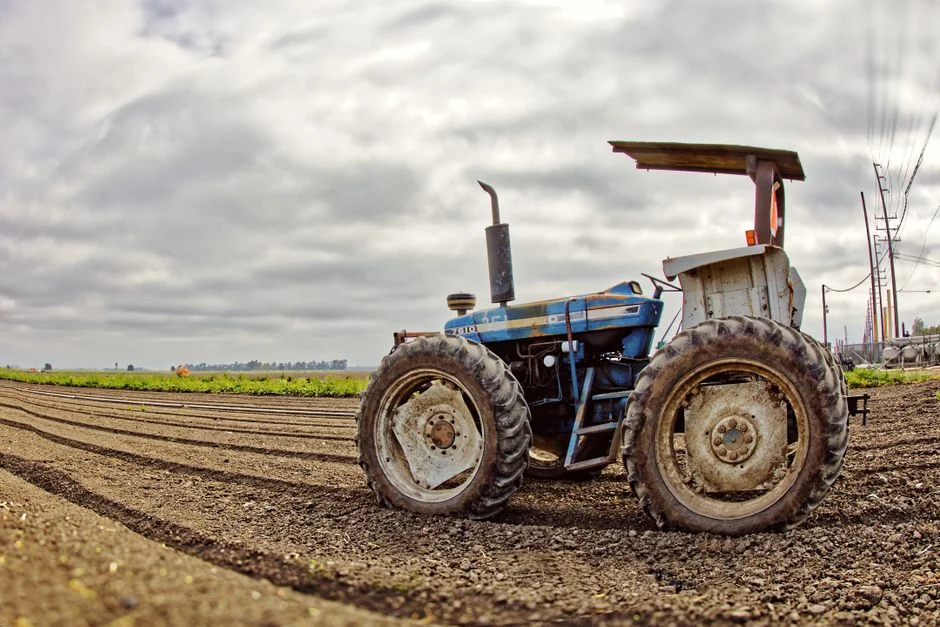
How radial and bias tractor tires are built
Bias-ply tires are made from layers of cord that cross each other at an angle, running diagonally from bead to bead. Hobby Farms puts that angle at 30 to 45 degrees to the tread line. The sidewall and tread work as one stiff unit. Bias tires have been on farms for almost a century, so the design is well proven.
Radial tires are built in two parts. The body cords run straight across from bead to bead, at about 90 degrees to the direction of travel, and belts sit under the tread. The sidewall can flex while the tread stays flat on the ground.
That one design change drives every difference below. Radials only reached farms in 1957, when NTS Tire Supply says Pirelli introduced them to agriculture.
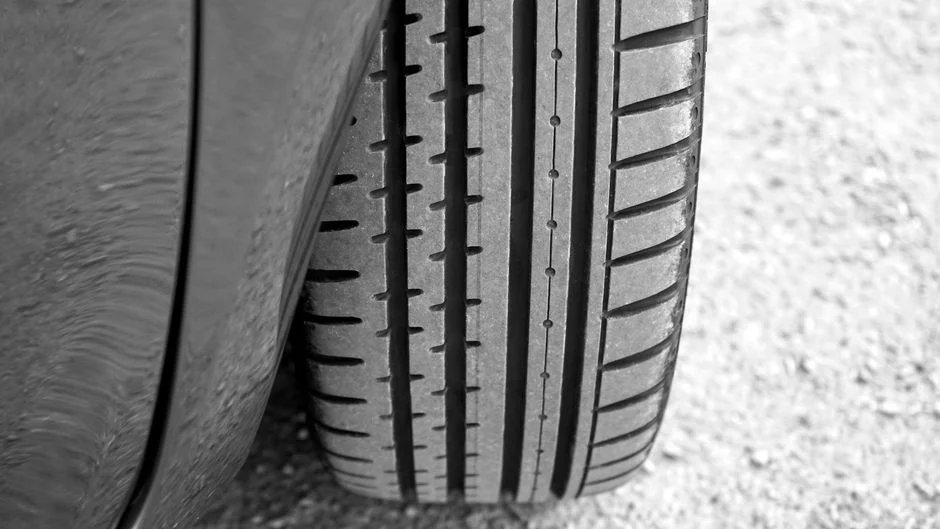
Radial vs bias tractor tires: the side-by-side comparison
| Bias-ply | Radial | |
|---|---|---|
| Cord direction | Diagonal, roughly 30 to 45 degrees | Straight across, about 90 degrees |
| Sidewall | Stiff, many overlapping layers | Flexible, thinner |
| Footprint | Shorter and narrower | Longer and wider at the same load |
| Traction | Good; grip varies as the tread flexes | Better, with less wheel slip |
| Soil compaction | Higher | Lower, at the right pressure |
| Fuel use | Higher | Lower |
| Ride | Firmer, can bounce at speed | Smoother |
| Rough or rocky ground | Tougher against knocks | Thinner sidewall is easier to damage |
| Tread life | Shorter | Usually longer |
| Price | Lower | Higher |
The numbers behind the table: Yokohama says a radial can have a 15 to 25% larger footprint than a comparably sized bias tire. On tread life the sources disagree, which is honest news in itself. Yokohama and CEAT both put radial service life about 30% longer, while NTS says radial tread can last 2 to 3 times longer. Your result depends on the work, the road time and the inflation.
The University of Kentucky extension service sums it up neatly: radials give better fuel efficiency, but need more careful pressure management.
Are radial tires worth the higher price? A break-even table
The question behind most radial vs bias decisions is cost per hour. Divide the price by the hours of life and the pricier tire can come out cheaper. This table shows how cheap a bias tire has to be to match a radial, if the radial lasts longer.
| If the radial lasts this many times as long | A bias tire only matches it if it costs no more than |
|---|---|
| 1.3 times (the 30% claim) | 77% of the radial price |
| 1.5 times | 67% of the radial price |
| 2 times | 50% of the radial price |
| 3 times | 33% of the radial price |
It’s plain arithmetic: price divided by life. CEAT says a bias tire should sit about 30% below a radial to give the same value per hour, which fits a radial life of roughly 1.4 times. The table counts tire price only. It leaves out fuel, slip and compaction, which push the answer further toward radials on busy field tractors, and it assumes the radial really does last longer. On a tractor that runs 100 hours a year, neither tire may wear out before you sell it.
When radial tractor tires pay off
- Lots of field hours. Tillage, planting and heavy draft work are where a longer footprint turns into less slip and less fuel.
- Soil compaction matters. A bigger footprint spreads the same weight over more ground.
- Plenty of road time. A smoother ride, and bias tires wear quickly on long road trips, according to NTS.
- You plan to keep the tractor. The longer tread life has time to repay the higher price.
The drawbacks of radials: a higher purchase price, a thinner sidewall that is easier to cut on rock or stumps, and less forgiveness on pressure. For most heavier farm work, NTS’s verdict is that radials bring the best return on your tire investment. We agree, with the usual small print about hours.
When bias-ply tires still make sense
- Utility and chore tractors with low annual hours, where a radial never gets the chance to earn back its premium.
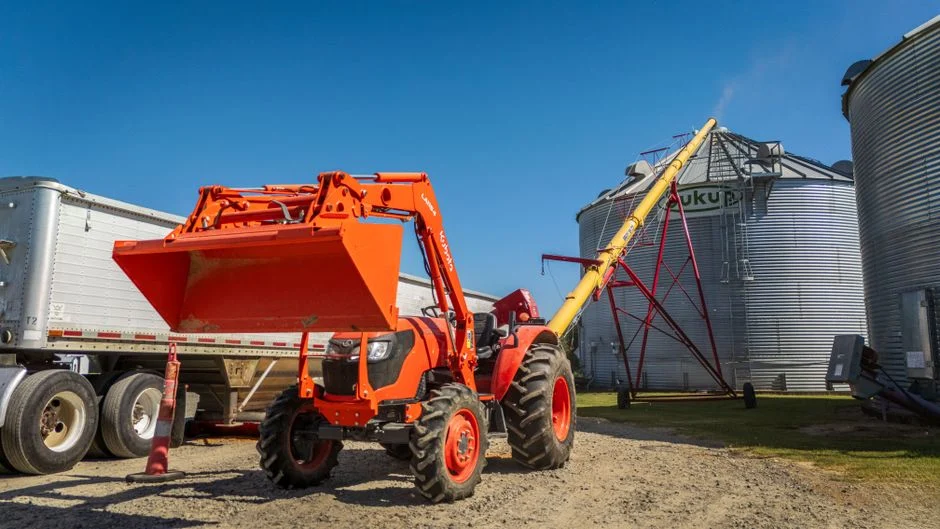
- Loader work. The stiff sidewall keeps the machine steady under a raised bucket. Our R4 tractor tires guide covers the industrial tread that usually goes with it.
- Rocky or obstructed ground. Hobby Farms notes bias tires are more likely to survive a rock-strewn trip undamaged, and that radial sidewalls are more vulnerable to a surprise hit.
- Slopes. The same stiffness helps. Hobby Farms says a radial’s flexibility can let machinery shift on a slope.
- Tight budgets and older tractors. A sound used bias tire is another way to save.
The drawbacks of bias: shorter tread life, a smaller footprint (so more slip, fuel use and compaction) and a firmer ride at road speed. Bias is old technology, but old technology that works is still working. Nobody retires a good wrench because someone invented a torque wrench.
Tire pressure, load and speed rating matter more on a radial
This is the part people skip. Radials only beat bias when they run at the right pressure. NTS lists power hop, uneven wear and more compaction as the cost of getting it wrong. Yokohama cites an Oklahoma survey in which only 45% of tractor tires were inside the recommended inflation range, so odds are good that yours need a gauge.
A radial sidewall is designed to bulge, so it can look under-inflated when it’s fine. Check with a gauge against the load table, not by eye. The University of Kentucky advises running the lowest pressure the manufacturer’s table allows for the load, and warns that ignoring the manufacturer’s recommendations can void the tire warranty. Over-inflate a radial and you throw away the bigger footprint you paid for. Our tractor tire pressure guide shows how to set it.
Also check the ratings before you order. CEAT advises a D-rated tire, rated 40 mph (65 km/h), if you drive above 25 mph (40 km/h), and warns that a tire without the load capacity or speed rating the job needs will be damaged and eventually fail.
How to switch from bias to radial
- Pick a radial that fits your rim. Same rim diameter, and a rim width inside the tire maker’s approved range. The table below shows the usual match. Our tire size converter finds the equivalent for any size.
- Check the overall diameter. On front-wheel-assist tractors the front-to-rear ratio has to stay correct. The lead-lag calculator checks it.
- Change both tires on the axle together. Never run a bias and a radial on the same axle.
- Set the pressure from the load table for your load and speed, not the number you used on the bias tires.
| Bias size | Usual radial match |
|---|---|
| 12.4-24 | 320/85R24 |
| 13.6-24 | 340/85R24 |
| 14.9-24 | 380/85R24 |
| 16.9-24 | 420/85R24 |
| 16.9-28 | 420/85R28 |
| 18.4-30 | 460/85R30 |
| 18.4-34 | 480/80R34 |
| 18.4-38 | 480/80R38 |
| 20.8-38 | 520/85R38 |
These are nominal matches. Real diameter and width differ by brand, so confirm with the converter and your manual. On front-wheel-assist tractors, most manufacturers advise the same construction front and rear.
IF and VF radials: for the biggest, heaviest machines
IF (increased flexion) and VF (very high flexion) radials are built to carry the same load as a standard radial at about 20% and 40% lower pressure. Put the other way, they carry up to 20% or 40% more load at the same pressure. NTS, CEAT and Yokohama all give those figures. Lower pressure means a longer footprint and less compaction. They cost more, so they pay off on the largest machines and where compaction is a real concern. Our IF vs VF guide goes deeper, and wide, low-pressure options for carts and implements sit under flotation tires.
How many radial and bias tires do we list?
We list 69 tire models, and the split is closer than you might expect. No model mixes the two, because each is one construction.
| Bias-ply | Radial | |
|---|---|---|
| Models | 40 | 29 |
| Size listings | 328 | 137 |
| Brands with this type only | Carlisle, Titan | Nokian, Trelleborg, Bridgestone, Michelin |
Twelve brands list both: Ozka, Maxam, Ascenso, Petlas, Galaxy, Cultor, CEAT, Mitas, Alliance, Firestone, BKT and Goodyear. The counts include skid steer, industrial and flotation sizes, not only tractor sizes. Browse the full range under tractor tires, or send us your current size and we’ll quote the bias and radial options side by side.
Five questions to settle it (and when to keep what you have)
- What is the work? Field hours favor radial. Loader and yard work favor bias.
- What load and speed? Match or beat the ratings on your current tire.
- Does compaction cost you yield? If yes, think radial, or IF and VF.
- How long will you keep the tractor, and how many hours a year does it run? The break-even table above does the rest.
- What does the tractor maker approve? Check the rim and axle in your manual.
Here’s a sentence a tire supplier isn’t supposed to write: your current tires might be fine.
- If the tractor is slipping, check the pressure before you shop. Most traction problems start there.
- If a tire is losing air, a repairable puncture is a job for your local shop, not a quote.
- If your tractor is a low-hour utility or loader machine and the tires are sound, a bias replacement is better value than a radial upgrade.
- If your tractor’s maker doesn’t approve the radial size you want, we’ll tell you, even if it costs us the sale.
More tractor tire guides from us:
- How to Measure Tractor Tire Size: Width, Diameter and Circumference
- R14 Tractor Tires: Hybrid Tread, Sizes and R4 vs R14
- R1 Tractor Tires: What They Are and Where They Work
- Garden Tractor Tires: Sizes, Tread and How to Choose
- Lawn Tractor Tires: Sizes, Tread and How to Choose
- R4 Tractor Tires: What They Are and When to Use Them
- Firestone Tractor Tire Size Chart: Every Size by Model
- Farm Equipment Tires: Which Type Fits Which Machine
- Rear Tractor Tires: Sizes, Tread and How to Pick a Pair
- Goodyear Tractor Tires: Who Makes Them and What Changed
- Titan Tires: Who Owns Titan, Where It Makes Them and Are They Good
- Front Tractor Tires: Which Tread, Size and Pair to Buy
- Who Makes BKT Tires? Owner, Factories and Where They're Made
- Big Tractor Tires: How Big They Get, What They Fit and Cost
- How Much Does a Tractor Tire Cost? Real Prices by Size
- IF vs VF Tires: What They Mean and When to Choose Them
- Tractor Tire Pressure: How to Set It for Load and Speed
- How to Inspect Used Tractor Tires Before You Buy
- R1 vs R1W Tractor Tires: What Is the Difference?
- Tractor Tire Size Guide: How to Read Every Number on the Sidewall
- Tractor Tire Types Explained: R1 vs R2 vs R3 vs R4
If you do need tires, send us your size on WhatsApp. We’ll quote bias or radial, give you a price with shipping, and probably make a tread joke. The joke is free.
Questions
What is the difference between bias and radial tractor tires?
Bias tires have cords crossing diagonally, which makes the whole tire stiff. Radials have cords running straight across with belts under the tread, so the sidewall flexes and the tread stays flat. Radials put more rubber on the ground; bias tires have tougher sidewalls and cost less.
Are radial tires better than bias for tractors?
For most field work, yes. Radials give a larger footprint, better traction and fuel efficiency, and usually longer tread life. Bias tires still win on cost, loader work and rough, rocky ground.
How do I tell if my tractor tires are radial or bias?
Read the size on the sidewall. A dash, as in 18.4-38, means bias. An R, as in 18.4R38 or 520/85R38, means radial.
Do radial tractor tires last longer than bias?
Usually. Yokohama and CEAT put radial service life about 30% longer, and NTS Tire Supply says radial tread can last 2 to 3 times longer. Real life depends on the work, road time and inflation.
Are bias-ply tractor tires obsolete?
No. Bias tires still suit utility and chore tractors with low hours, loader work, rocky ground and slopes, and they cost less. They have lost ground on large field tractors, where radials pay back their price.
Can I mix radial and bias tires on the same tractor?
Never on the same axle. On front-wheel-assist tractors, most manufacturers also advise the same construction front and rear. Check your operator manual.
Are radial tires worth it on a compact or small tractor?
If the tractor logs few hours and does light work, bias is usually the better value. With more hours, heavier pulling or road travel, radials can repay their higher price over the life of the tractor.
Do radial tires need different air pressure than bias?
Yes. Radials need more careful pressure management. Set pressure from the load table for your load and speed, and run the lowest pressure it allows. Over-inflating throws away the bigger footprint.
What are IF and VF radial tractor tires?
IF (increased flexion) and VF (very high flexion) radials carry the same load as a standard radial at about 20% and 40% lower pressure, or up to 20% and 40% more load at the same pressure. They suit big, heavy machines and soil-compaction-sensitive ground.
Are bias tires better on slopes and rocky ground?
Often. Their stiff, layered sidewalls handle knocks and hold steady on slopes, while a radial thinner sidewall is easier to damage. Always check what your tractor maker approves.