
Tire Types & Tread Patterns
Front Tractor Tires: Which Tread, Size and Pair to Buy
Front tractor tires carry the weight of the front axle and steer the tractor, so they use ribbed treads instead of rear-style lugs. Most 2WD tractors run a 3-rib F-2 tire in a size like 6.00-16 or 10.00-16. Four-wheel-assist tractors need fronts matched to the rears.
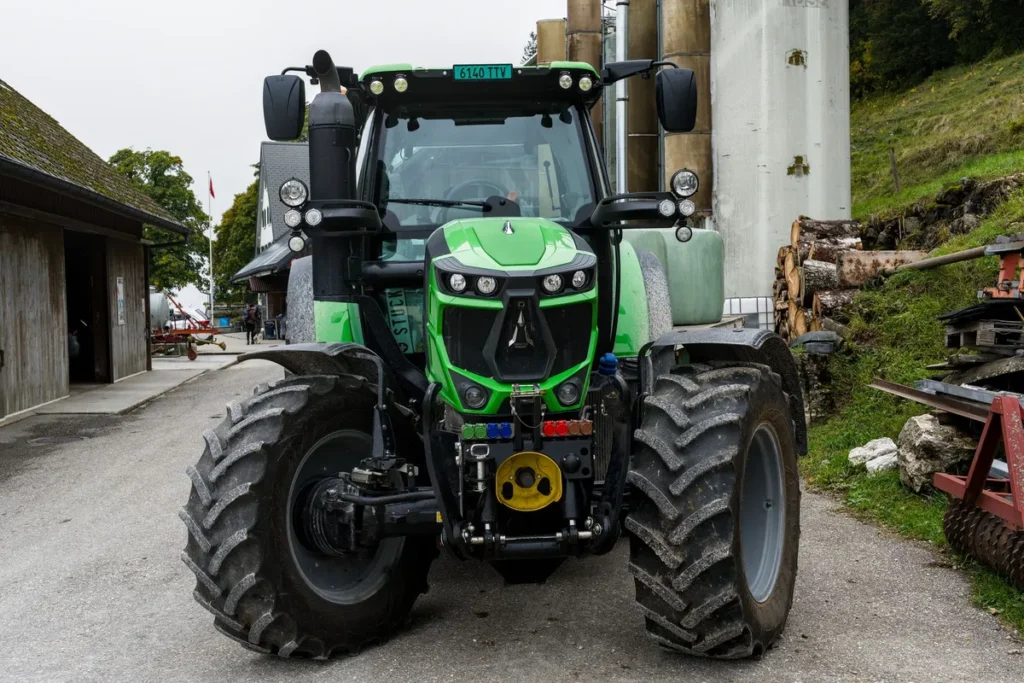
Front tractor tires get no respect. The rear tires pull the load and collect the glory. The fronts point the way and carry the weight. (Somebody has to be the designated driver.)
Front tractor tires are the smaller tires on the front axle. They carry the load on that axle and steer the tractor, so most of them use ribbed treads, not big lugs. A 2WD tractor usually runs a 3-rib F-2 tire in a size like 6.00-16 (152 mm wide) or 10.00-16 (254 mm wide). Let’s get to the front of the line.
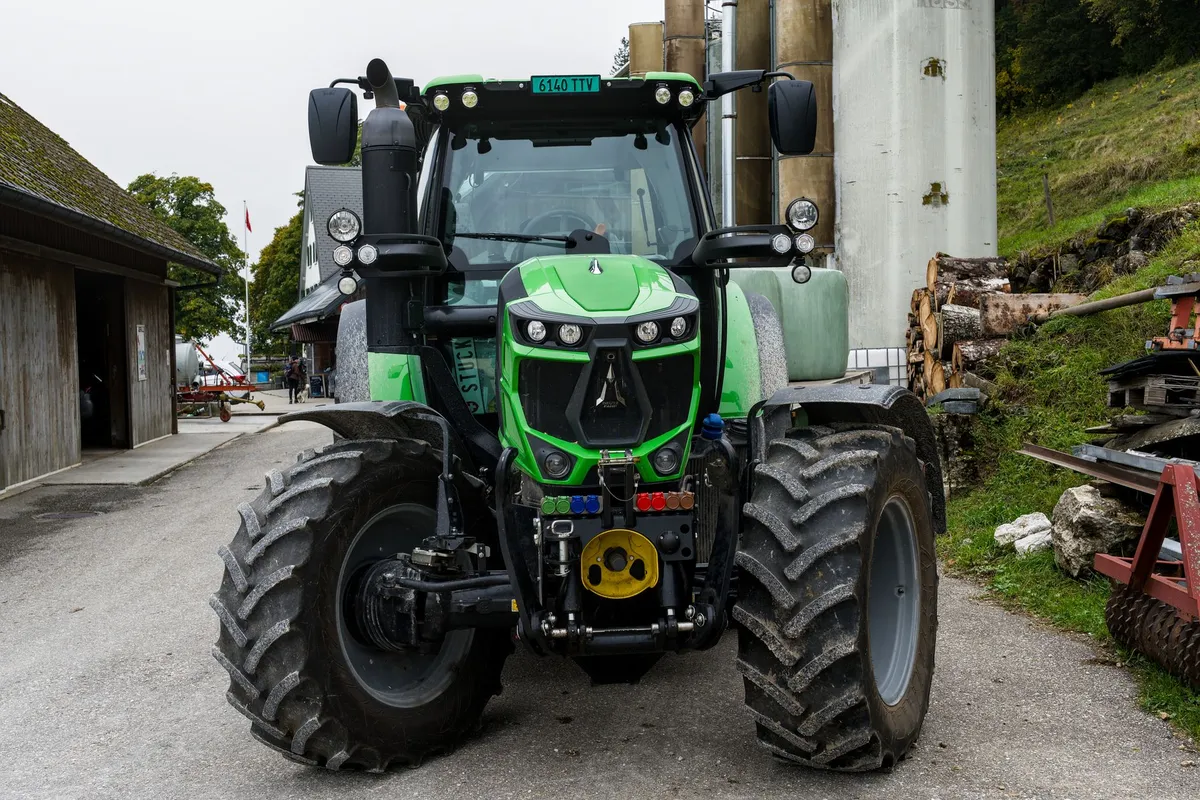
Front tractor tires carry the weight and do the steering
Rear tires drive the tractor through the soil. Front tires have two other jobs. They carry the load on the front axle, and they create the sideways force that turns the tractor. On a 2WD tractor they roll freely, so the tread pattern decides how well the tractor steers.
That is also why the fronts are smaller. A smaller footprint takes less effort to turn and scuffs the soil less. The big rears spread the weight and grip. The fronts steer. Everyone has a role, and nobody gets a trophy.
You will also see them called a tractor front tire, tractor tires front, a steer tire or a front axle tire. Same part, four names. Shoppers type all of them, including front tires for tractor, so here they are in one place. On a 2WD tractor the front axle is a free-rolling steering axle. On an MFWD tractor it also drives, which is why the sizing rules below get stricter.
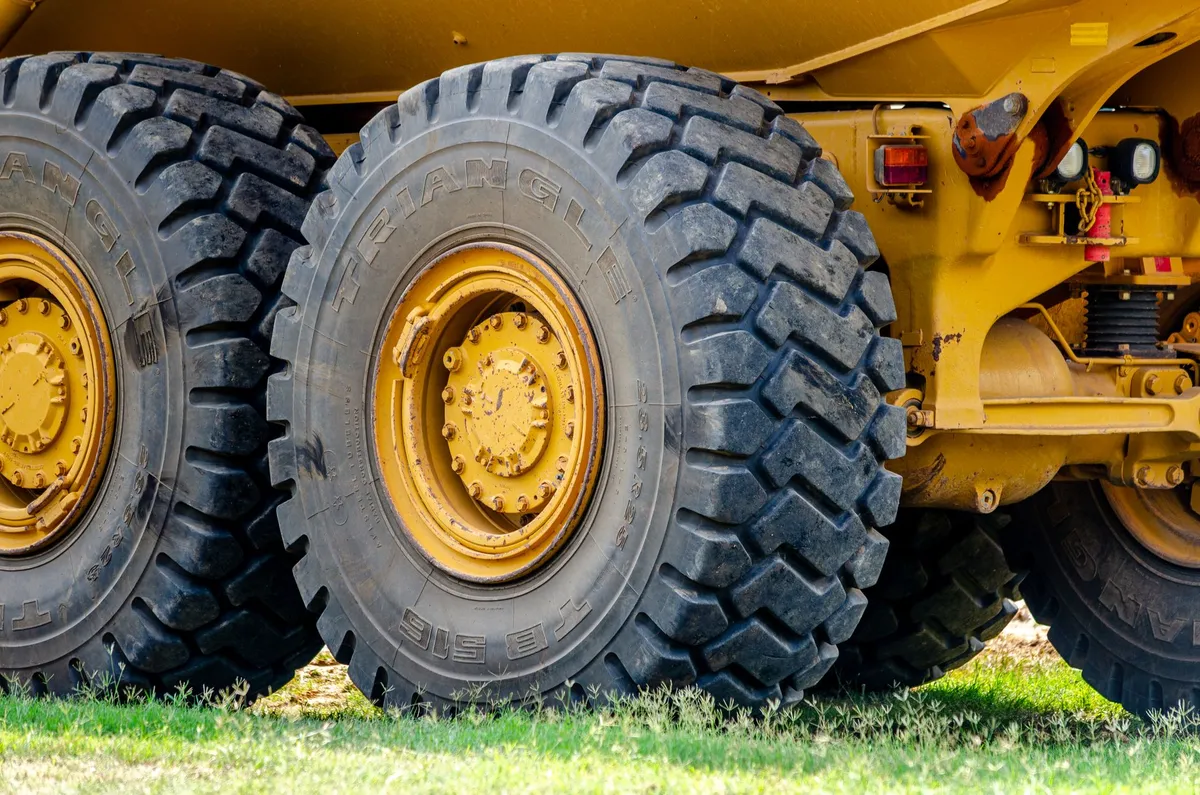
Which front tire tread do you need: one, three, four or five ribs?
Front tires use ribs that run around the tire, not lugs. The ribs hold the line when you turn. Bridgestone describes four common patterns:
| Pattern | Best for | Watch for |
|---|---|---|
| Single rib | Loose, wet or muddy soil | Wears fast on pavement, because the weight sits on one tall rib |
| 3-rib (F-2) | Mixed field and road work; most 2WD tractors without a loader | The taller center rib bites in loose soil while the outer ribs handle pavement |
| 4-rib | Tractors with a front-end loader | Spreads the load evenly on hard surfaces and lasts longer in mixed conditions |
| Shallow 5-rib | Tractors and backhoes with a loader that work on pavement | Built for paved work, not for mud |
Not sure which tread suits your work? Our tractor tire size guide covers how to read what is already on your tractor.
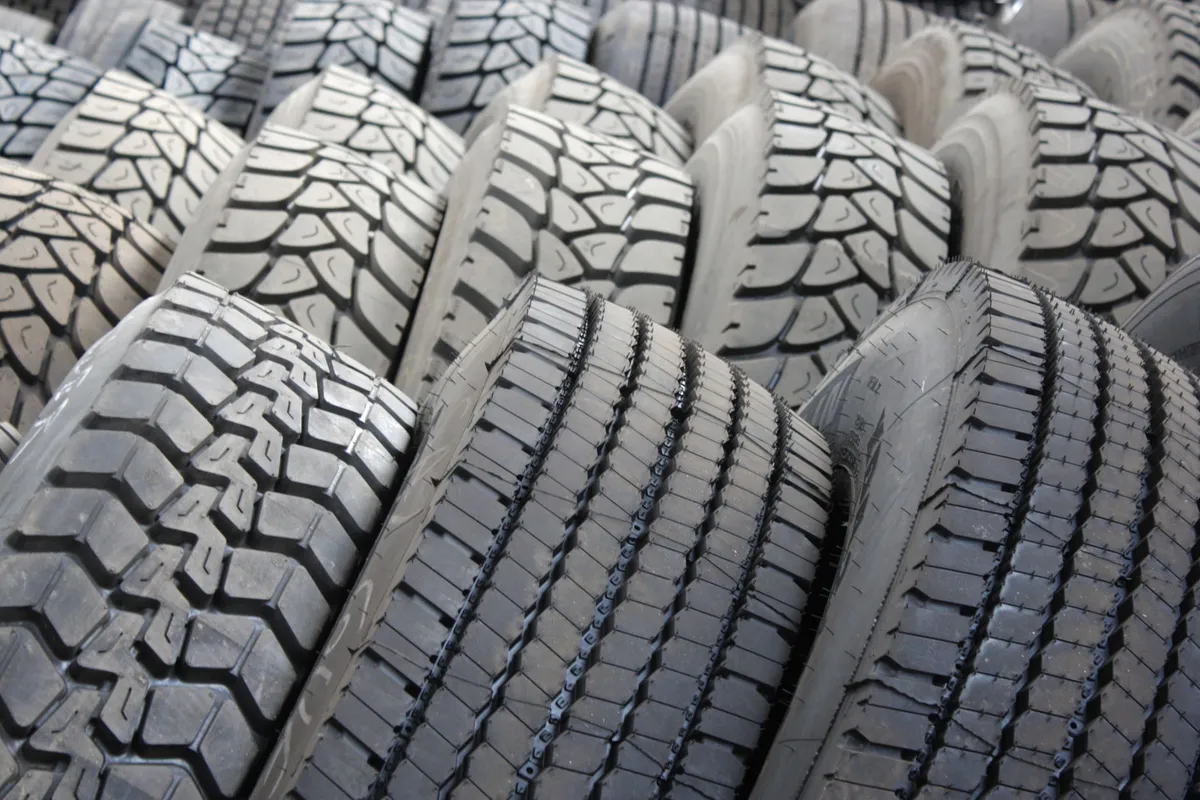
What sizes do front tractor tires come in?
Most front tires are narrow tires on a 15 in or 16 in rim. The first number is the section width in inches. The last number is the rim diameter. The dash means bias-ply. Here are the sizes we list, with the number of our 11 front tire models (11 brands, all bias-ply) that come in each:
| Size | Width in (mm) | Rim in (mm) | Front models in our catalog |
|---|---|---|---|
| 5.00-15 | 5.00 (127) | 15 (381) | 4 |
| 5.50-16 | 5.50 (140) | 16 (406) | 8 |
| 6.00-16 | 6.00 (152) | 16 (406) | 9 |
| 6.50-16 | 6.50 (165) | 16 (406) | 10 |
| 7.50-16 | 7.50 (191) | 16 (406) | 10 |
| 10.00-16 | 10.00 (254) | 16 (406) | 8 |
| 11L-15 | 11 (279) | 15 (381) | 3 |
Looking for front tractor tires 3 rib? That is the F-2 row in the tread table above, and every model in the list below is built that way. Brands such as Goodyear, with the Triple Rib HD, make Goodyear front tractor tires in the same style.
Here are the 11 front tire models we list, one per brand:
| Brand | Model | Sizes |
|---|---|---|
| Alliance | 303 FarmPRO | 5.50-16 to 10.00-16 |
| BKT | TF 9090 | 5.00-15 to 10.00-16 |
| Carlisle | Farm Specialist F-2 | 5.00-15 to 11L-15 |
| CEAT | Farmax F2 | 5.00-15 to 10.00-16 |
| Cultor | AS-Front 08 | 6.50-16, 7.50-16 |
| Firestone | Champion Guide Grip 3-Rib | 6.00-16, 10.00-16, 11L-15 |
| Galaxy | Earth-Pro F-2 | 5.00-15 to 10.00-16 |
| Goodyear | Triple Rib HD | 6.50-16, 7.50-16, 10.00-16, 11L-15 |
| Ozka | KNK35 | 5.50-16 to 10.00-16 |
| Petlas | TD16 | 5.50-16 to 7.50-16 |
| Titan | Tru-Trac | 5.50-16 to 7.50-16 |
There is no single front tractor tire size chart or tractor front tire size chart that fits every tractor, because the right front size depends on the rear tire and the model. Start with the size on the tire you are replacing.
Always read the size off the tire you are replacing. Tractors get re-tired over their life, and the sidewall beats the manual. Our tractor tires page lists every size we carry.
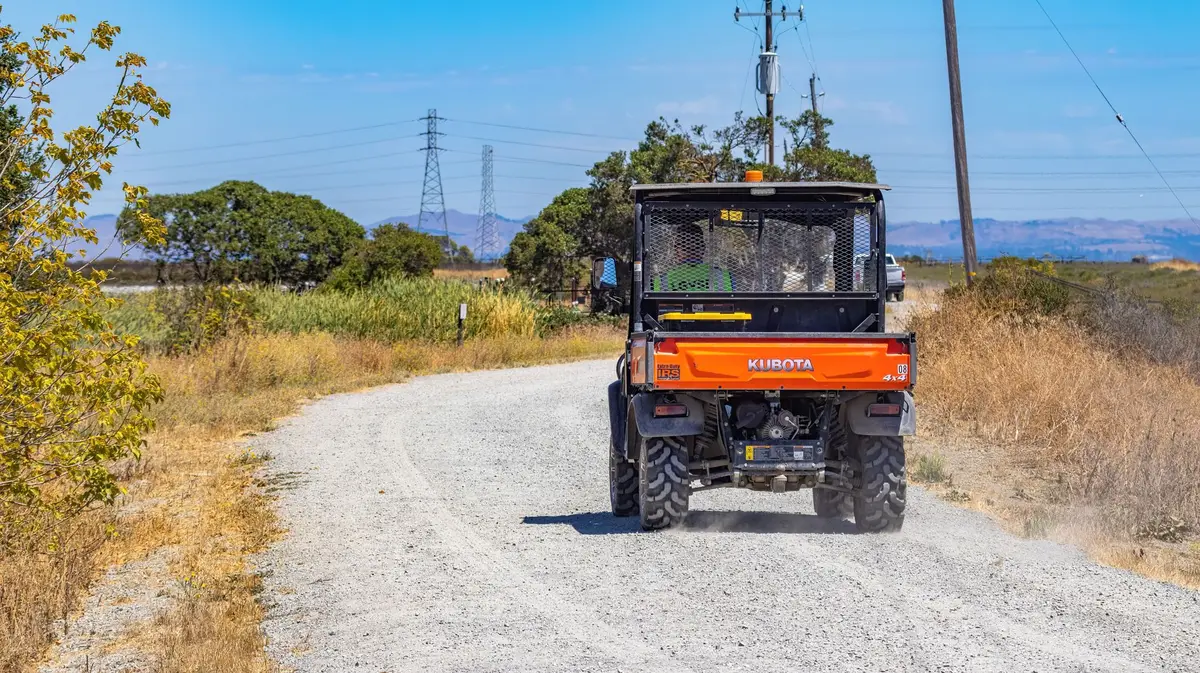
Four-wheel-assist tractors need front tires that match the rears
On a front-wheel-assist (MFWD) tractor the front axle is driven. The front and rear tires must keep a set ratio of rolling circumference. The front tire should roll slightly farther per turn than the gears expect. That small gain is called lead.
The window is narrow. Nokian Heavy Tyres says the front tire’s rolling circumference should be 1% to 3% above the gear-ratio figure, with a lug pattern allowed up to 4%. AG Tire Talk quotes 1% to 5%, with 3% ideal. Sources differ a little, so your tractor manual decides.
A quick example. If the gears expect a front rolling circumference of 2,000 mm (78.7 in), a 1% to 3% lead means a front tire between 2,020 mm (79.5 in) and 2,060 mm (81.1 in). Your own number comes from the manual or the calculator. This one is only arithmetic.
Fronts that are too small cause lag. The rears push the fronts along and the tractor loses pulling power. Fronts that are too large cause too much lead, which wears the front tires and strains the driveline. Our lead-lag calculator does the math in a minute.
Our opinion: match the rolling circumference, not the name on the sidewall. Metric and inch sizes called equivalents are close, not identical. A 20.8-38 is about 528 mm wide (20.8 x 25.4) and its 520/85R38 equivalent is 520 mm. That is a gap of 8 mm in width alone, on a job where 1% to 3% is the whole window.
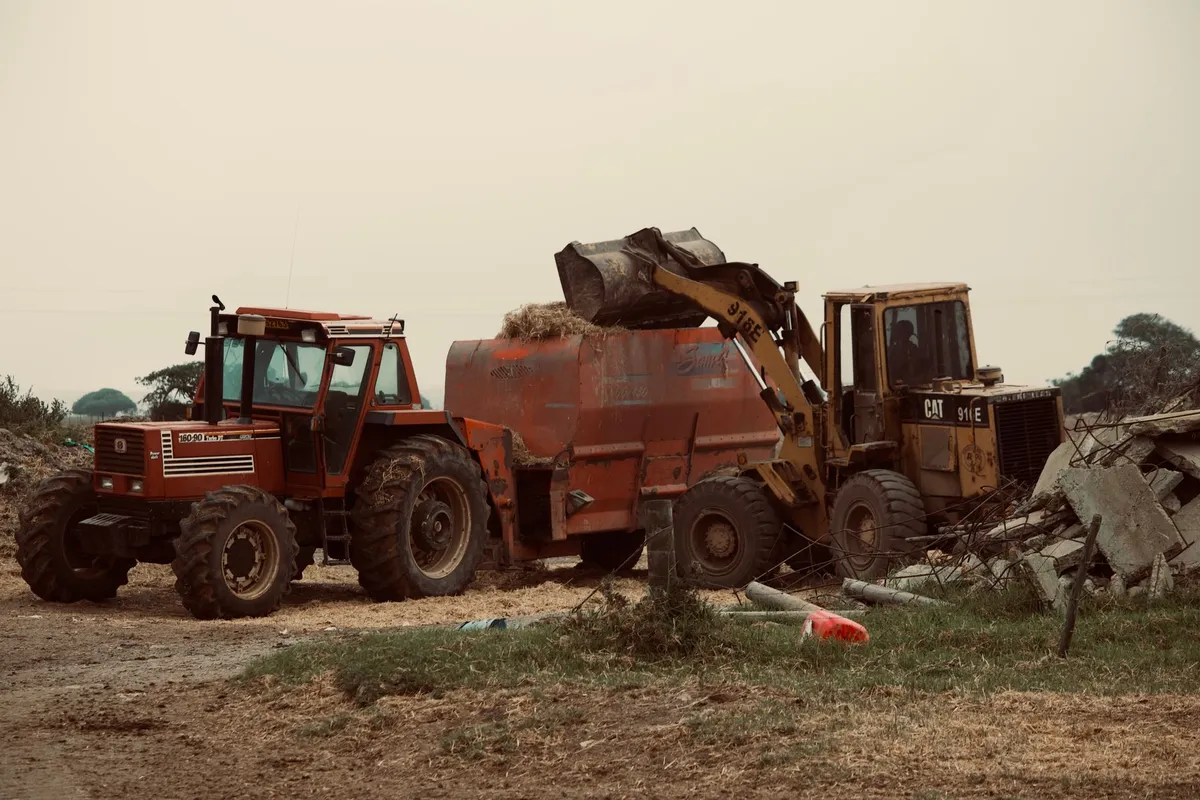
Does a front-end loader change which front tire you buy?
Yes. A loader puts a lot more weight on the front axle, especially with a full bucket. Bridgestone points loader tractors to a 4-rib pattern, and tractors or backhoes working on pavement to a shallow 5-rib. The ribs share the load across a wider area of hard ground.
Pressure matters even more with a loader, because the front tires carry more. Set it from the maker’s load table, not from feel. Our tractor tire pressure guide shows the method. Under-inflation is a tire telling you it’s under a lot of pressure. Relatable.
When you don’t need new front tractor tires
Honest answer: plenty of front tires get replaced too early. Skip the quote if the ribs are deep and even, the sidewalls have no cracks or bulges, and the tire holds air. A low tire needs a gauge, not a purchase. A simple puncture usually needs a local repair.
Uneven wear is a clue, not a sentence. Check pressure and the front end before you blame the tire. And if your tractor is MFWD, replace the fronts as a pair so the diameters match.
More tractor tire guides from us:
- How to Measure Tractor Tire Size: Width, Diameter and Circumference
- R14 Tractor Tires: Hybrid Tread, Sizes and R4 vs R14
- R1 Tractor Tires: What They Are and Where They Work
- Garden Tractor Tires: Sizes, Tread and How to Choose
- Lawn Tractor Tires: Sizes, Tread and How to Choose
- R4 Tractor Tires: What They Are and When to Use Them
- Firestone Tractor Tire Size Chart: Every Size by Model
- Farm Equipment Tires: Which Type Fits Which Machine
- Rear Tractor Tires: Sizes, Tread and How to Pick a Pair
- Goodyear Tractor Tires: Who Makes Them and What Changed
- Titan Tires: Who Owns Titan, Where It Makes Them and Are They Good
- Who Makes BKT Tires? Owner, Factories and Where They're Made
- Big Tractor Tires: How Big They Get, What They Fit and Cost
- How Much Does a Tractor Tire Cost? Real Prices by Size
- IF vs VF Tires: What They Mean and When to Choose Them
- Tractor Tire Pressure: How to Set It for Load and Speed
- How to Inspect Used Tractor Tires Before You Buy
- R1 vs R1W Tractor Tires: What Is the Difference?
- Radial vs. Bias-Ply Tractor Tires: Which Should You Choose?
- Tractor Tire Size Guide: How to Read Every Number on the Sidewall
- Tractor Tire Types Explained: R1 vs R2 vs R3 vs R4
Ready to price a pair? Send us your front size on WhatsApp. We’ll find the tire. We’ll probably make a steering joke. It’s free, and it only turns one way.
Questions
What are front tractor tires called?
They are usually called front tires or steer tires. On a 2WD tractor they roll freely and create the sideways force that steers the tractor. A common pattern is the 3-rib tire, coded F-2.
Why are tractor front tires smaller than the rears?
A smaller footprint takes less effort to turn and disturbs the soil less. The larger rear tires spread weight and give the tractor grip. On MFWD tractors the two sizes must still keep the right rolling-circumference ratio.
What size are front tractor tires?
Common bias sizes include 5.00-15, 5.50-16, 6.00-16, 6.50-16, 7.50-16, 10.00-16 and 11L-15. Read the size on the tire you are replacing, then check your manual. Rear tires are a different size.
What is lead and lag on a tractor?
Lead is how much farther the front tire rolls per turn than the gear ratio expects. Too little gives lag, which makes the rears push the fronts. Sources quote a lead of about 1% to 3%, or up to 5%, so follow your manual.
Can I put bigger front tires on my tractor?
On a 2WD tractor you need clearance for steering and the fender. On an MFWD tractor you must also keep the front-to-rear rolling-circumference ratio inside the maker range. Check the manual or use a lead-lag calculator first.
Should I replace front tractor tires in pairs?
On an MFWD tractor, yes. A new tire next to a worn one has a different diameter, which shifts the lead. On a 2WD tractor a single replacement can work if the sizes and tread match, but a pair keeps steering even.
Which front tread is best with a loader?
Bridgestone points tractors with front-end loaders to a 4-rib pattern, which spreads load evenly on hard surfaces. A shallow 5-rib suits tractors and backhoes with a loader that work on pavement.
How do I find my front tire size?
Read the sidewall. A code like 6.00-16 gives the width in inches and the rim size. Our tractor tire size guide explains every number if the sidewall is worn.
How much do front tractor tires cost?
Front tires are the cheapest on the tractor. In our catalog a 6.00-16 F-2 lists at about $110 to $120 per tire, and the range across front sizes runs from around $74 to $281. Brand and size decide where yours lands. See the full cost guide for rear and radial prices.
Do front tractor tires have to match the rears?
On a two-wheel-drive tractor the fronts roll freely, so only the rim size and load matter. On a front-wheel-assist tractor the front rolling circumference must be 1% to 3% above the gear-ratio figure, so the pair has to be matched to the rears. Check the manual.