
Tire Types & Tread Patterns
R4 Tractor Tires: What They Are and When to Use Them
R4 tractor tires carry the R-4 industrial tread: shorter, closer lugs than a farm R-1, tougher sidewalls and a steadier footprint on gravel, pavement and packed dirt. They suit loader tractors, backhoes and yard work. They are a compromise, so soft fields favor R-1 and lawns favor R-3.
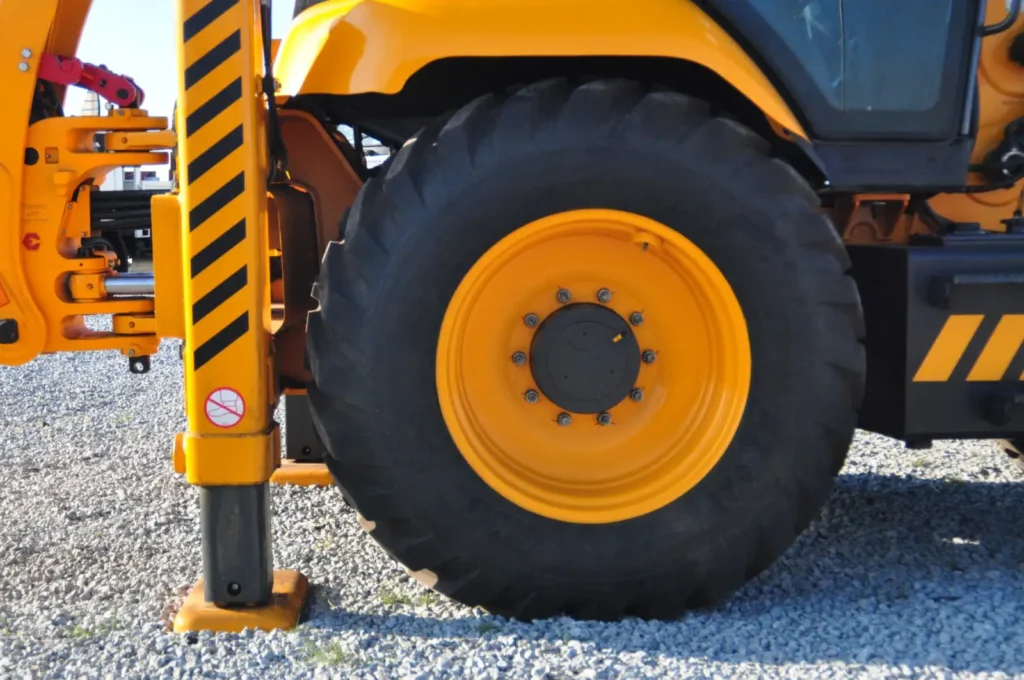
R4 tractor tires are what happens when a farm tire gets a desk job and a hard hat. Same family, shorter lugs, tougher sidewalls. (Yes, we know tires do not wear hats. Work with us.)
R4 tractor tires carry the R-4 industrial tread. The lugs are shorter and closer together than a farm R-1, so the tire rides steadier on pavement, gravel and packed dirt and still bites into soil. It is the usual tread for loader tractors, backhoes and yard work. Let’s get to the bottom of the code, or at least to the rim.
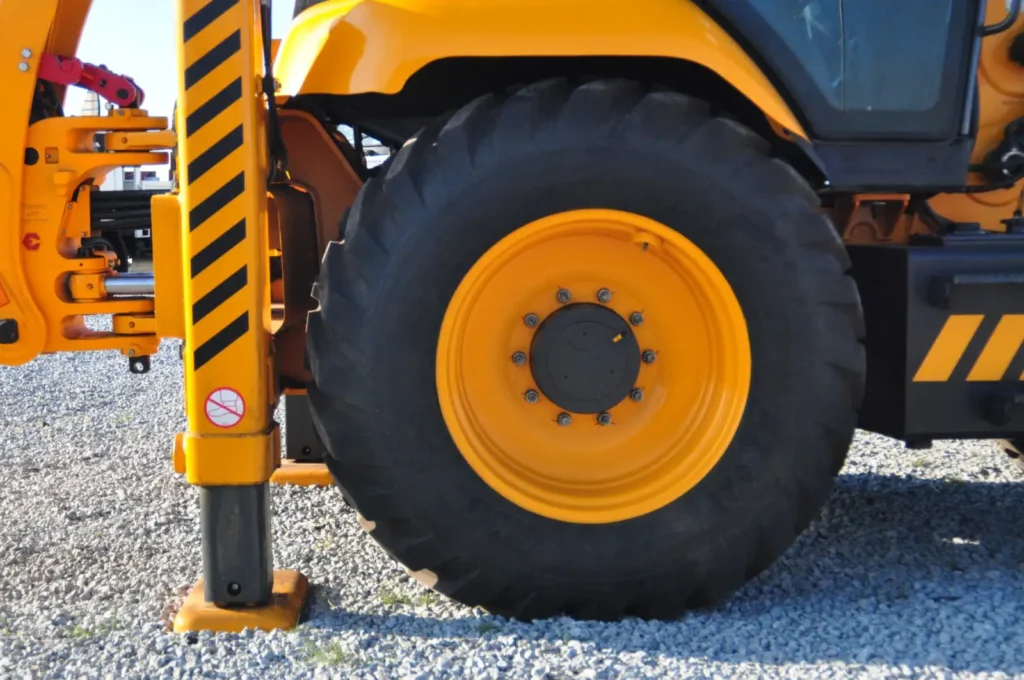
R-4 is the industrial tread, built for work off the field
The code on the sidewall tells you what the tread was built for. R-1 is farm ground, R-3 is turf and R-4 is industrial. Dealers also sell it as loader tread, because that is where most of these tires live.
Two things set an R-4 apart from a farm tire. The tread is lower and more closely spaced. The sidewalls are reinforced, and the rubber is tougher, so the tire resists cuts and wears slowly on hard ground. Hobby Farms calls it a jack of all trades, which is fair. It is also a master of none, which we will get to.

How do R-4 tires compare with R-1 and R-3?
R-4 sits between the two. It grips better than turf tread and rides better on hard ground than a farm tire. Our R1 vs R2 vs R3 vs R4 guide covers all five codes. This table covers the three you are most likely choosing between.
| Tread | Lugs | Best ground | Weak spot |
|---|---|---|---|
| R-1 agricultural | Tall, widely spaced | Soft soil, tillage, mud | Harder ride and faster wear on pavement |
| R-3 turf | Shallow, closely spaced | Lawns, sports turf, grounds care | Clogs easily in wet mud |
| R-4 industrial | In between | Gravel, pavement, packed dirt, loader work | Packs with sticky mud, marks soft lawns |
Not sure which row is yours? The tread type picker asks a few questions and gives you a code.
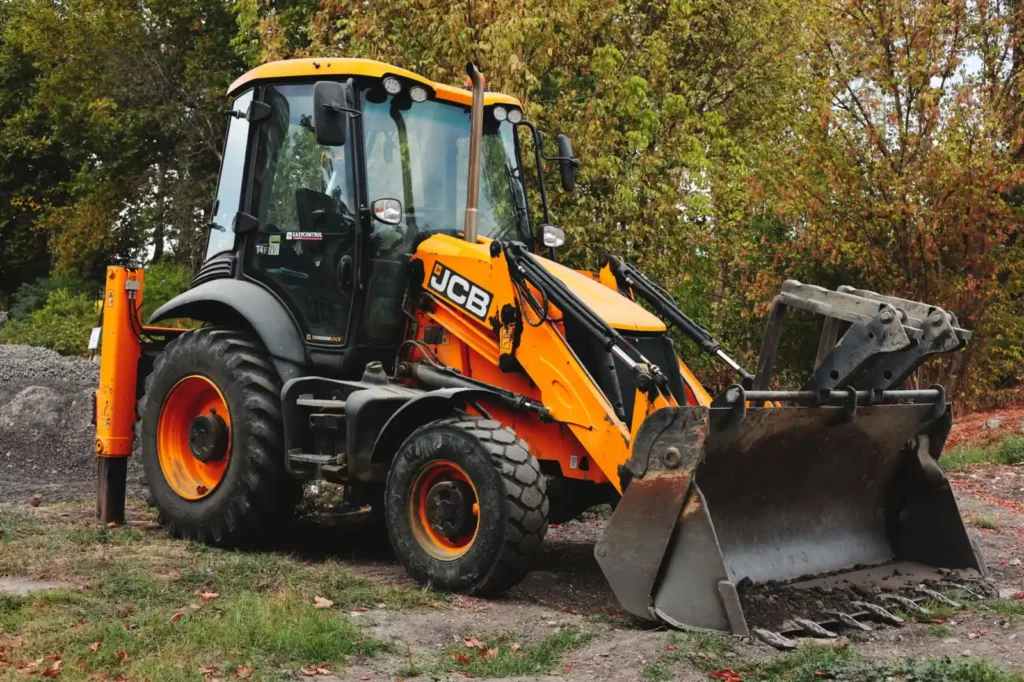
Where R4 tractor tires earn their keep
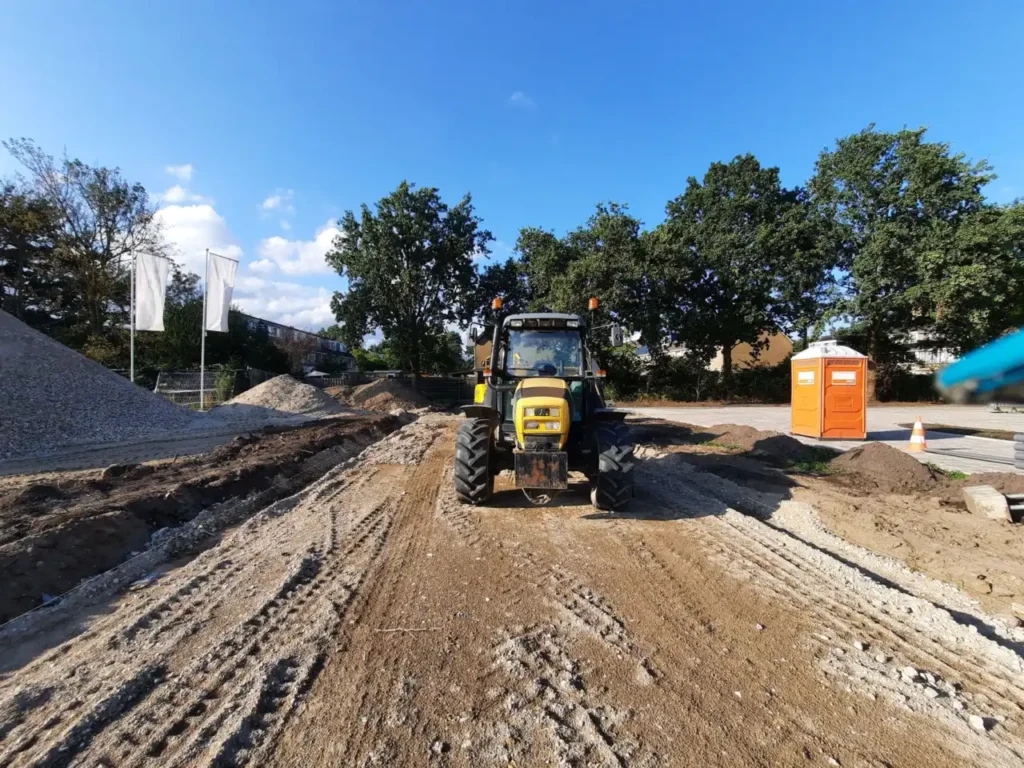
R-4 is the standard tread on backhoes and a common one on compact tractors with a front loader. It also shows up on skid steers and yard tractors that move gravel and pallets. Pine Plains Tractor points to loader-equipped compacts on gravel, pavement and hard-packed ground as the sweet spot.
Rule of thumb: if the loader works more days than the plow, think R-4. If the tractor splits its week between dirt and pavement, R-4 is a fair deal for both.
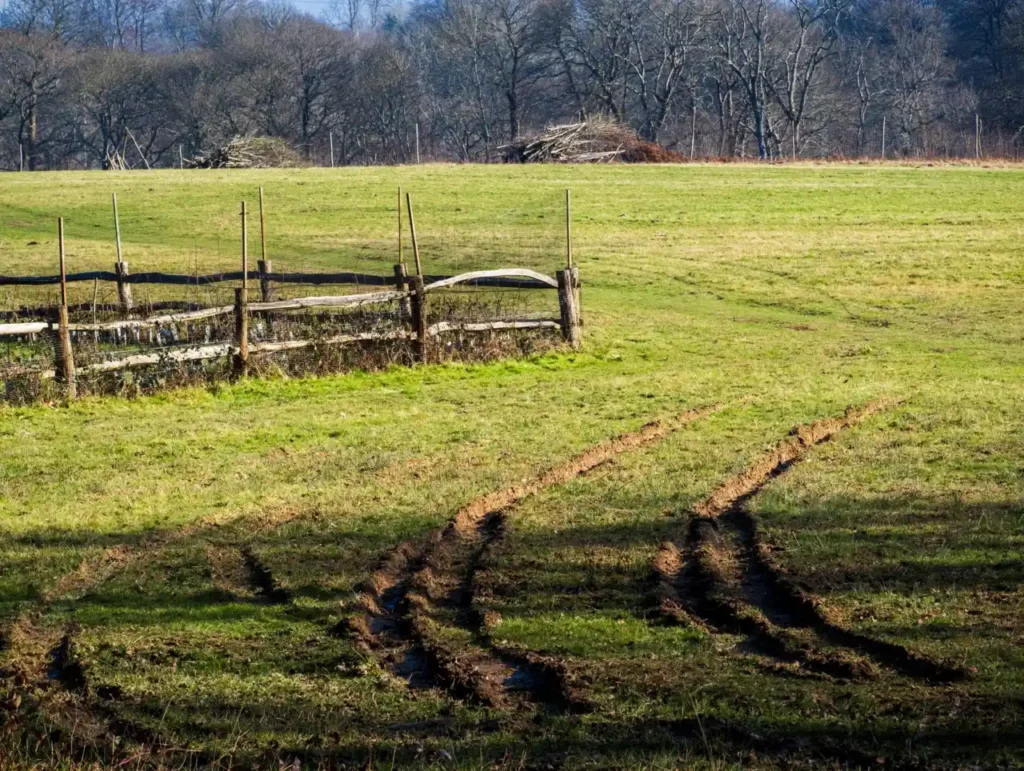
Know the weak spots before you buy. The tread can pack with sticky mud and struggle on packed snow. It can also leave marks on a soft lawn. West Central Equipment says the same about turf. Mud and R-4 get along the way a cat gets along with a bath.
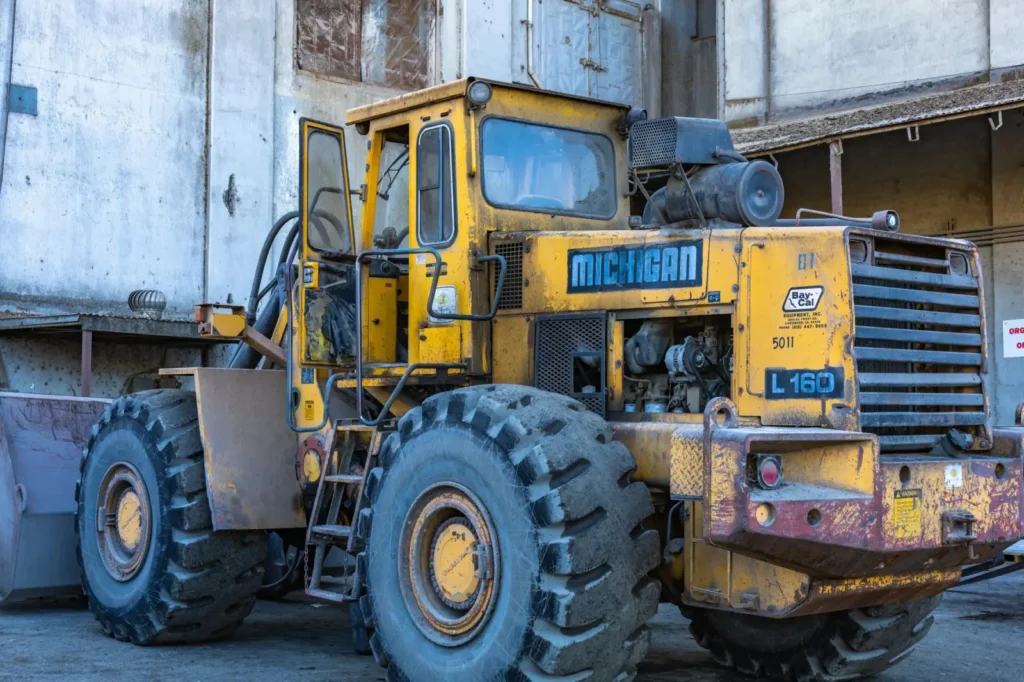
What should you check before you match a pair?
Check the load rating first. Our opinion: with a loader on the front, the ply rating matters more than the tread name. In our catalog, the R-4 Ascenso SSB 331 skid steer tire comes as 10 ply (E) in 10-16.5 and 12 ply (F) in 12-16.5. Same tread, different job. A full bucket sits on the front axle, so match or beat the rating on your current tires.
| Size | Width | Rim | Rating in our catalog |
|---|---|---|---|
| 10-16.5 | 10 in (254 mm) | 16.5 in (419 mm) | 10 ply (E) |
| 12-16.5 | 12 in (305 mm) | 16.5 in (419 mm) | 12 ply (F) |
| 14-17.5 | 14 in (356 mm) | 17.5 in (445 mm) | Ask us |
| 15-19.5 | 15 in (381 mm) | 19.5 in (495 mm) | 12 ply (F), load index 146 |
| 27×8.50-15 | 8.5 in (216 mm) | 15 in (381 mm) | 12 ply (F) |
Next, pick bias or radial. Most industrial tires are bias-ply, which keeps the sidewall stiff under a raised load. Our radial vs bias-ply guide explains the trade. Finally, keep a four-wheel-drive tractor matched front and rear. Pine Plains Tractor makes the same point, so check the manual before you mix treads. Browse R-4 sizes on our industrial tires page.
When you don’t need R-4 tires
Honest answer: a lot of tractors do fine without them. Skip the quote in these cases.
- Your tractor works soft fields most days. A farm R-1 pulls better in mud and fresh soil.
- Your tractor mostly mows and the lawn matters. R-3 turf tread is gentler.
- Your current tires hold air and the lugs are even. Keep them.
- The tire is low, not worn. A low tire needs a gauge, not a purchase.
- It is a simple puncture. Get it repaired locally.
Some dealers also describe a hybrid R-14 tread that sits between R-4 and R-1. Ask your dealer whether it is approved for your model. Our R14 tractor tires guide covers the hybrid in full.
How do you get an R-4 quote without guessing?
Read the size off the sidewall of the tire you are replacing. Add your machine model and tell us whether it is a loader, backhoe or skid steer. A photo of the sidewall helps. We can quote new or used, and suppliers send photos of used tires on request.
Send us the size on WhatsApp. We’ll find the tire. We’ll probably also make a tread joke. The joke is free, and it never packs with mud.
Questions
What does R4 mean on a tractor tire?
R-4 is the industrial tread code. It marks a tire with shorter, closer lugs than a farm R-1, built for hard ground and loader work. Dealers also call it loader tread.
Are R4 tractor tires good for lawns?
They are gentler than a farm R-1 but harder on turf than an R-3. On a soft or wet lawn an R-4 can leave marks. If mowing and lawn care are your main jobs, look at R-3 turf tread.
Are R4 tires good in mud?
Not their best trick. The tread can pack with sticky mud, and an R-1 pulls better in soft soil. R-4 does fine on firm dirt and gravel.
Are R4 tires good in snow?
They are a fair middle choice, but dealers note that R-4 can struggle on packed snow. For regular snow clearing, ask your dealer which tread suits your model before you buy.
Can I put R4 tires on a farm tractor?
You can if the size fits and the manufacturer approves it. R-4 gives up some pull in soft fields, so it makes sense when the tractor spends more time on a loader or hard ground than in tillage.
Can I mix R4 and R1 tires on a four-wheel-drive tractor?
Check the manual first. Dealers advise keeping four-wheel-drive tractors matched front and rear, because mismatched diameters or treads can fight the drivetrain.
Are R4 tires bias or radial?
Both exist. Most industrial R-4 tires are bias-ply, which keeps the sidewall stiff under a raised loader. Radial R-4 sizes such as 10R16.5 ride smoother, at a higher price.
Do R4 tires last longer than R1 tires?
On hard ground, usually yes. R-4 uses tougher rubber and wears slowly on gravel and pavement. On soft farm soil the extra life matters less, because that is not where the tread was built to work.
How much do R4 tractor tires cost?
In our catalog, 12-16.5 R-4 skid steer sizes list at about $255 (Ascenso SSB 331) to $478 (Ozka KNK66) per tire. Larger loader and backhoe sizes cost more. Prices are per tire and change with stock.
What is the difference between R4 and R1 tires?
R-1 is the tall-lug farm tread built for soil and mud. R-4 is the shorter, closer-spaced industrial tread built for gravel, pavement and loader work, with tougher sidewalls. R-4 wears slower on hard ground and pulls less in soft fields.