
Tire Types & Tread Patterns
R1 Tractor Tires: What They Are and Where They Work
R1 tractor tires carry the R-1 agricultural tread: tall, widely spaced bar lugs set at 23 to 45 degrees that bite into soft farm soil and clean themselves as they turn. R-1 is the default farm tread. Wet ground favors R-1W, and lawns and gravel favor R-3 and R-4.
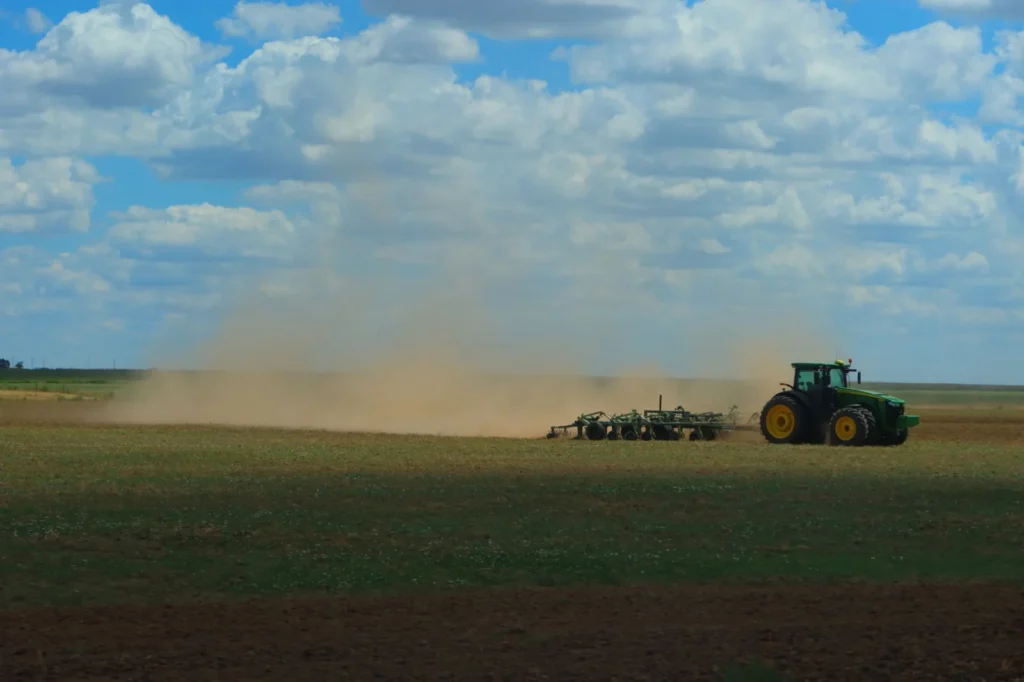
R1 tractor tires are the ones that show up to work in boots, with their lugs on. Tall bars, wide gaps, one job: bite into soil and pull. (We would say they dig the job, but we have standards. Low ones.)
R1 tractor tires carry the R-1 agricultural tread, a deep bar-lug pattern built for soft farm ground. It is the standard tread on most farm tractors, and every other tread code is measured against it. Let’s get to the bottom of the code, or at least to the rim.
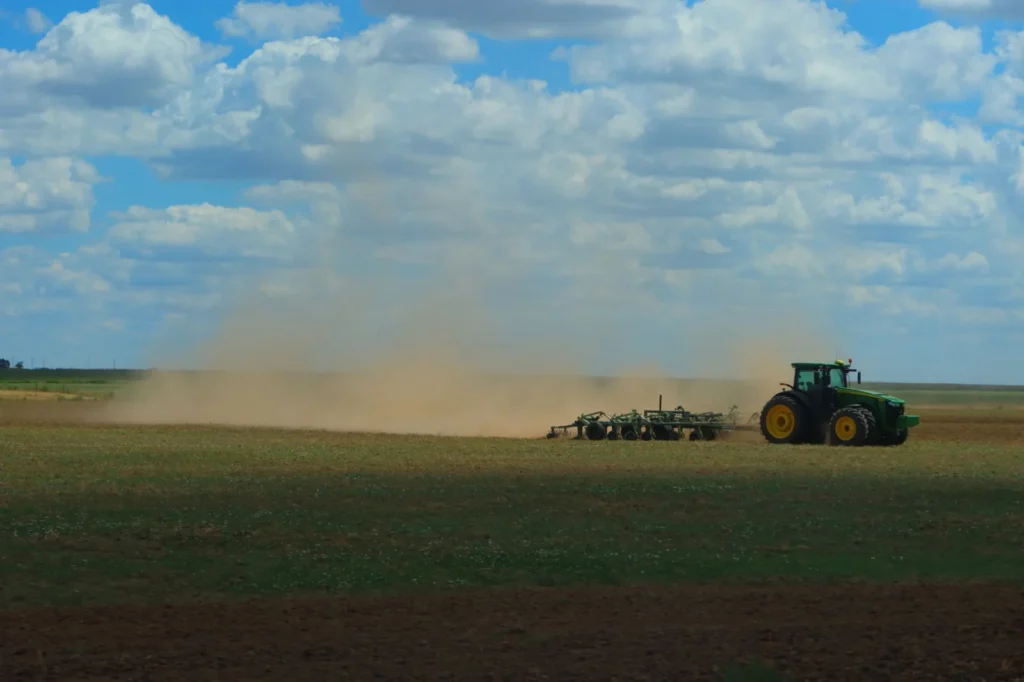
R-1 is the farm tread: tall bars that bite and clean themselves
The “1” in the code marks the baseline farm tread. Hobby Farms calls R-1 the standard workaholic tire for farm tractors, with large, widely spaced lugs for traction on difficult ground.
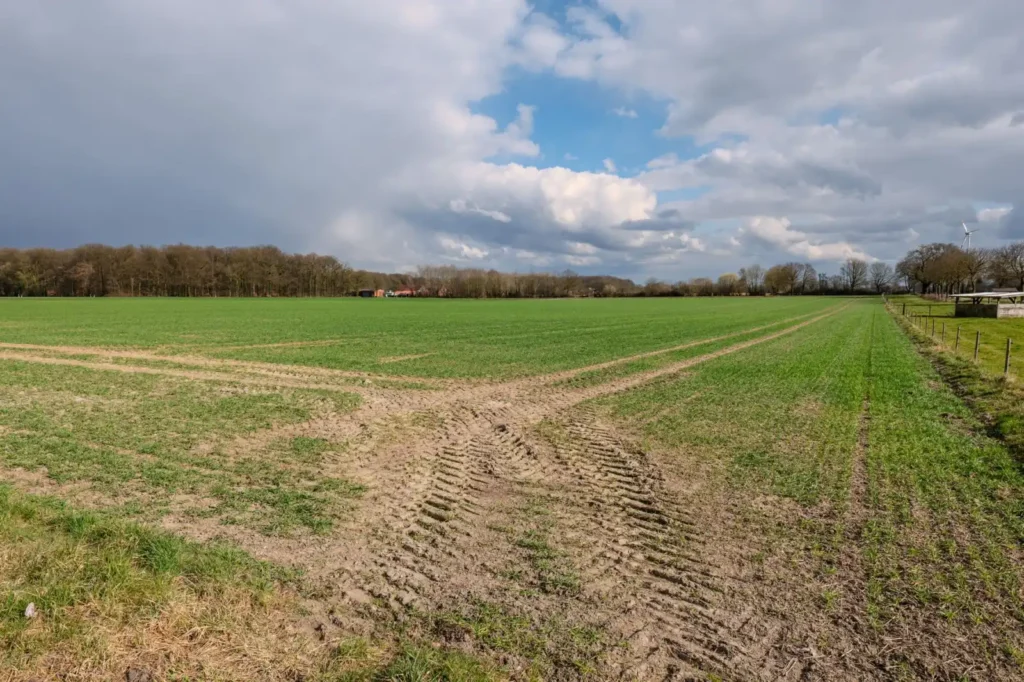
The lugs are bars set at an angle. Yokohama puts the lug angle between 23 and 45 degrees, and says the open pattern cleans itself as the tire turns. Mud falls out of the gaps instead of riding around with you. That is the whole trick.
How deep is an R-1 compared with the other tread codes?
No source we read gives one fixed depth for R-1, because depth scales with the tire’s width and aspect ratio. What the makers do give is how every other code compares. This table uses the numbers from Maxam, Yokohama and Farm Progress. The makers describe R-3 slightly differently, so we show both.
| Tread code | Depth compared with R-1 | Built for |
|---|---|---|
| R-1 agricultural | Baseline | Average farm soil |
| R-1W wet | About 20% deeper | Heavy, wet, muddy soil |
| R-2 rice and cane | At least twice as deep | Flooded paddies, cane fields |
| R-4 industrial | About 70% | Gravel, pavement, loader work |
| R-3 turf | About half, up to 65% | Lawns and grounds |
Want the full ladder? Our R1 vs R2 vs R3 vs R4 guide walks through all five codes. Compact tractors that mow and haul may suit a hybrid instead: see our R14 tractor tires guide.
Where do R1 tractor tires work best?
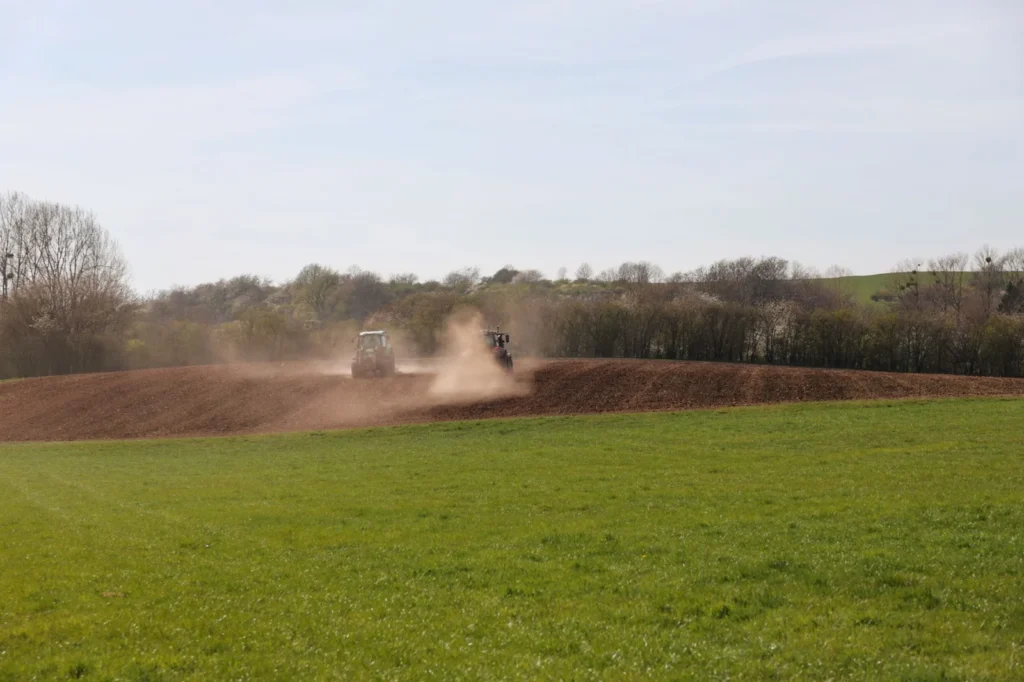
Maxam calls R-1 perhaps the most common tread for any tractor from 30 up to 150 hp. It goes on two-wheel-drive and mechanical front-wheel-drive tractors, combines, self-propelled sprayers and heavy grain carts. Yokohama lists fields of corn, soybeans and wheat as the home turf. Farm Progress quotes a tire expert who says R-1 is generally used for dryland farming.
Rule of thumb: if the soil is soft and the season is dry-ish, R-1 is the default. If the field turns to pudding every spring, ask about R-1W. Our R1 vs R1W guide has the full comparison.
Our opinion: most farms do not need to pay for the deeper R-1W tread. It is only 20% deeper, and it earns that premium on heavy wet soil. On dry, average ground, Hobby Farms says R-1 and R-1W perform about the same.
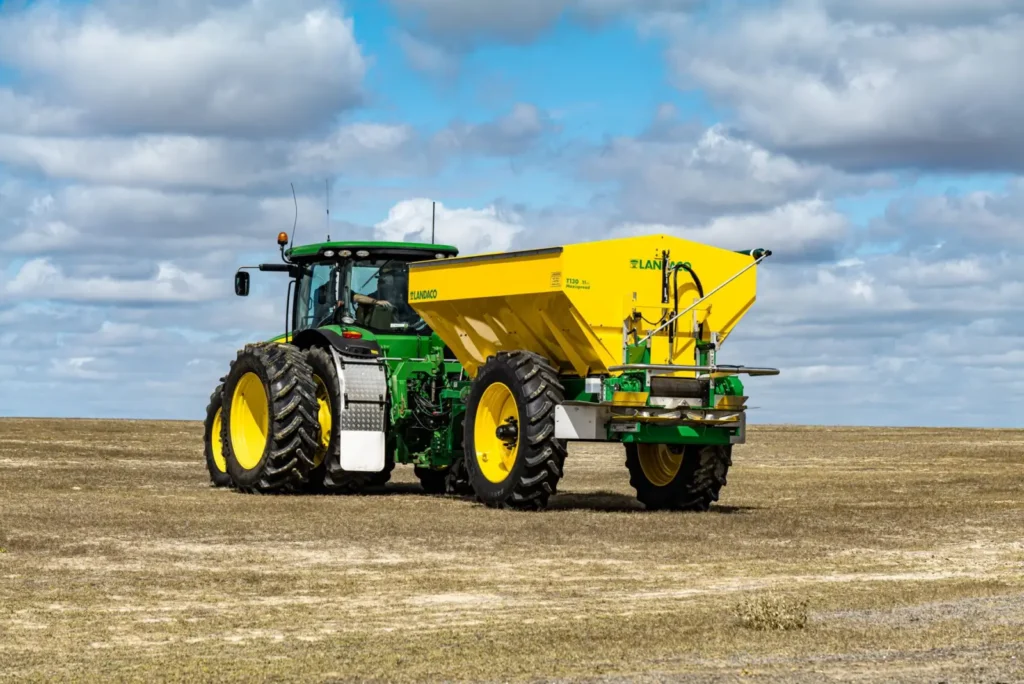
Which R1 tractor tire sizes can you buy from us?
Our catalog lists 16 R-1 models from 13 brands: Ozka, Ascenso, Petlas, Carlisle, Galaxy, Cultor, CEAT, Mitas, Alliance, Titan, Firestone, BKT and Goodyear. That is 217 size listings across 34 sizes. Fifteen models are bias-ply and one, a Firestone, is radial in 520/85R38. In our catalog, radial farm tires mostly carry the R-1W code. Our radial vs bias-ply guide explains the trade.
| Size | Width | Rim | R-1 models listing it |
|---|---|---|---|
| 18.4-30 | 18.4 in (467 mm) | 30 in (762 mm) | 12 |
| 18.4-34 | 18.4 in (467 mm) | 34 in (864 mm) | 12 |
| 18.4-38 | 18.4 in (467 mm) | 38 in (965 mm) | 12 |
| 12.4-24 | 12.4 in (315 mm) | 24 in (610 mm) | 11 |
| 14.9-24 | 14.9 in (378 mm) | 24 in (610 mm) | 11 |
| 16.9-28 | 16.9 in (429 mm) | 28 in (711 mm) | 11 |
Prices vary by brand and stock, so we quote each tire rather than print a number that goes stale.
When you don’t need R1 tractor tires
Honest answer: R-1 is not the answer to every tractor. Skip the quote in these cases.
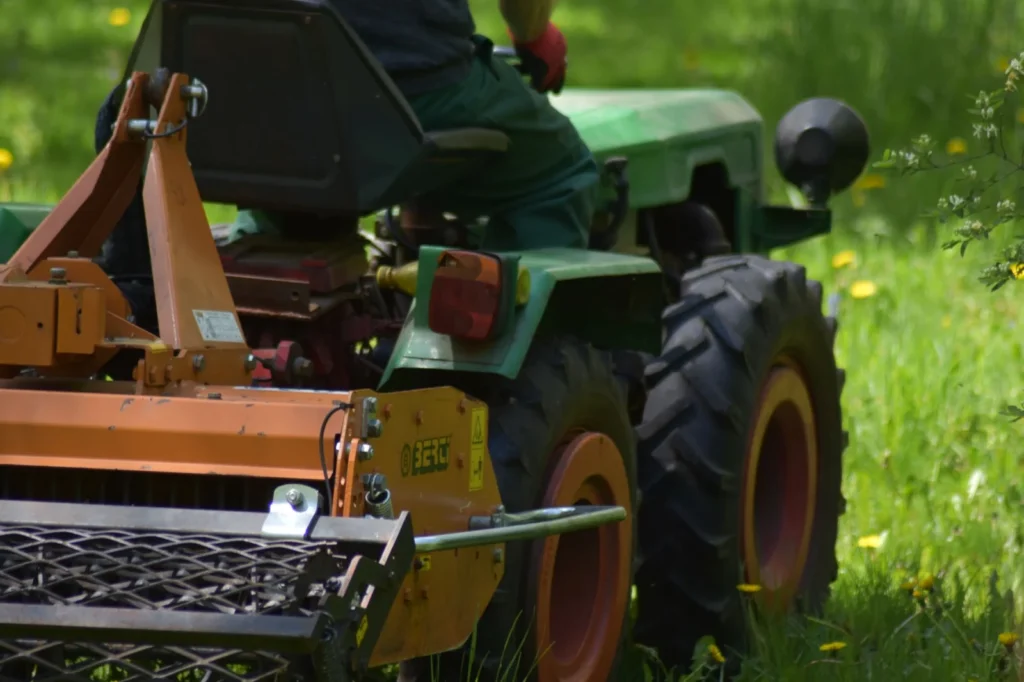
- Your tractor mows or does lawn care most days. R-1 is harsher on turf than R-3, says Hobby Farms. Look at R-3 instead.
- Your tractor lives on gravel and pavement with a loader. Our R4 tractor tires guide covers that tread.
- Your fields are wet and sticky. Hobby Farms notes R-1 can gouge wet ground and leave significant tracks. R-1W is the better fit.
- Your current tires hold air and the lugs are even. Keep them.
- The tire is soft, not worn. A soft tire needs a gauge, not a purchase. Check the pressure first.
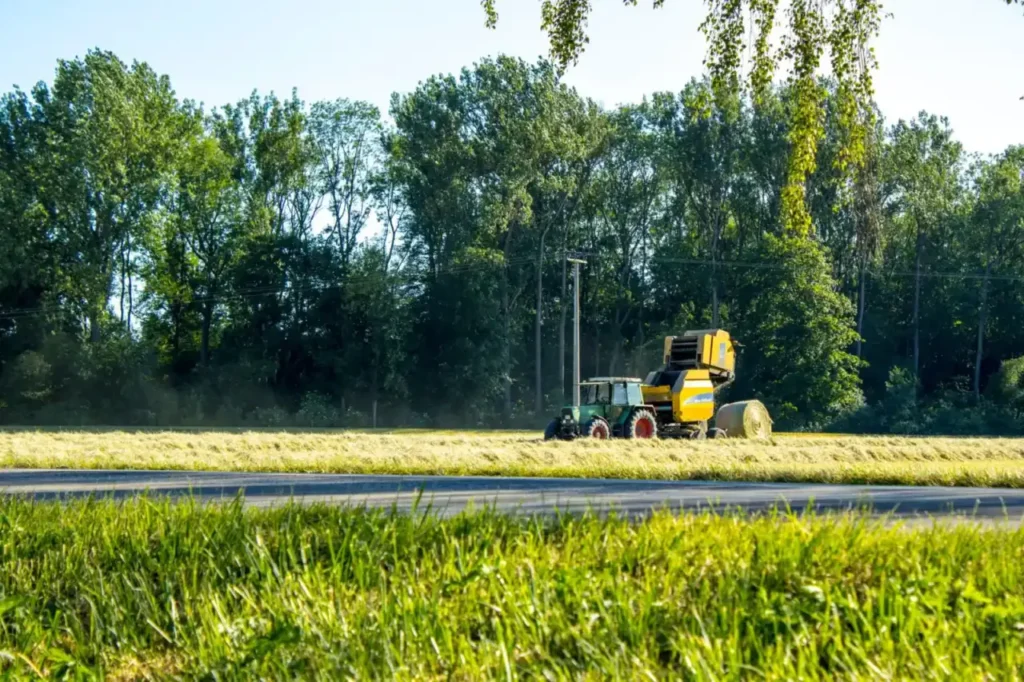
Tread carefully on the road too. Tall lugs wear faster on pavement, so a tractor that commutes a lot may suit a shorter tread.
How do you get an R1 quote without guessing?
Read the size off the sidewall of the tire you are replacing. Add your tractor model and tell us whether you want bias or radial. A photo of the sidewall helps. Still unsure which tread you have? The tread type picker asks a few questions and gives you a code.
We quote new or used, and suppliers send photos of used tires on request. Start on our quote page or send us your size on WhatsApp. We’ll find the tire. We’ll probably also make a tread joke. The joke is free, and it never packs with mud.
Questions
What does R1 mean on a tractor tire?
R-1 is the agricultural tread code. It marks a deep bar-lug tire built for soft farm soil. Every other tread code is measured against it, for example R-1W is about 20% deeper.
What are R1 tractor tires used for?
Farm work on soft ground: tillage, planting, hauling and grain carts. Maxam lists two-wheel-drive and mechanical front-wheel-drive tractors, combines, self-propelled sprayers and heavy implements.
What is the difference between R1 and R1W?
R-1W has a tread about 20% deeper than R-1. The extra depth helps in heavy, wet, muddy soil. On average ground the two pull alike. Our R1 vs R1W guide has the full comparison.
Are R1 tires good in mud?
They handle average soft soil and clean themselves well. In very wet fields they can gouge the ground and leave significant tracks, so heavy mud favors the deeper R-1W tread.
Are R1 tires good for lawns?
Not really. Hobby Farms notes R-1 is harsher on turf than R-3. If mowing and lawn care are the main jobs, look at an R-3 turf tire.
Are R1 tires good on the road?
They work, but tall lugs wear faster on pavement. If your tractor spends most of its time on gravel or hard surfaces, an R-4 industrial tread usually lasts longer.
Are R1 tires bias or radial?
Both exist. In our catalog 15 of the 16 R-1 models are bias-ply and one Firestone is radial. Radial farm tires often carry the R-1W code instead.
Which R1 tractor tire sizes do you list?
We list 34 R-1 sizes. The most common are 18.4-30, 18.4-34 and 18.4-38, each listed by 12 models, plus 11.2-24, 12.4-24, 14.9-24 and 16.9-28. Send us your size and we will check stock.