
Tire Types & Tread Patterns
How to Inspect Used Tractor Tires Before You Buy
To inspect used tractor tires, read the size, tread code and DOT date from the sidewall, measure lug height against a new tire, then check the sidewalls, repairs, beads and valve stem. Walk away from cord-deep cuts, bulges or torn beads. Ask for photos of each before you pay.
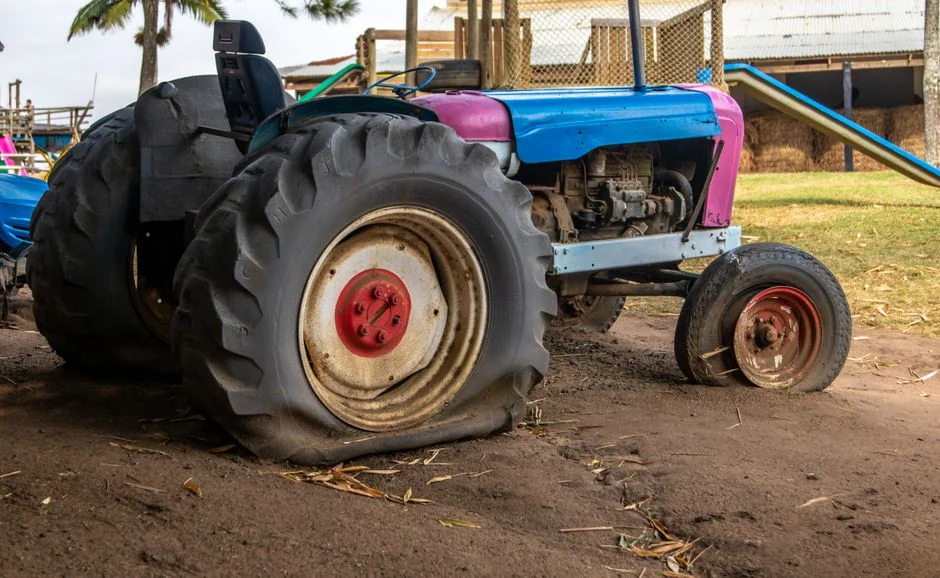
Buying used tractor tires is like buying a used truck: the photos always look great. Tread carefully.
Here’s the short answer. To inspect used tractor tires, read the size, tread code and DOT date off the sidewall, measure the lugs, then check sidewalls, repairs, beads and valves for damage. Anything that shows cord, bulges or leaks is a no. A good used tire saves real money. A bad one fails in the field.
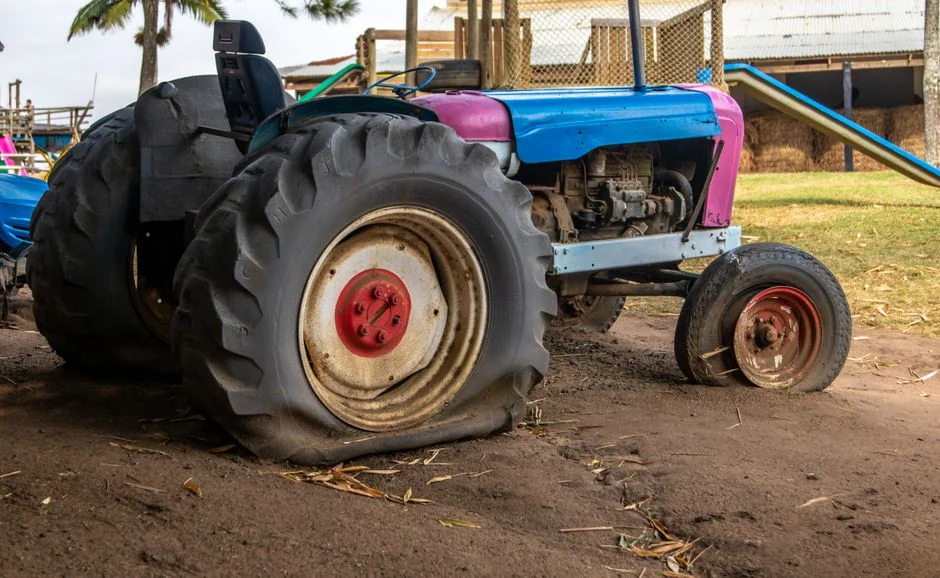
The used tractor tire checklist at a glance
| Check | What you want to see | Walk away if |
|---|---|---|
| Size and tread code | Exactly what you need, matching the other tire on the axle | It doesn’t fit your rim or match its partner |
| Age (DOT code) | A date that fits the price | Old rubber priced like a young tire |
| Lug height | Enough lug left for your work | Lugs worn close to the base |
| Sidewalls | Light surface checking at most | Cuts showing cord, deep cracks or bulges |
| Repairs | None, or a proper patch inside the tire | Boots, sidewall repairs or several repairs |
| Beads and valve | Smooth, even rubber and a tight valve stem | Torn, kinked or exposed bead wire |
| Liquid ballast | A seller who can say what was inside | No answer, or a rusty wheel |
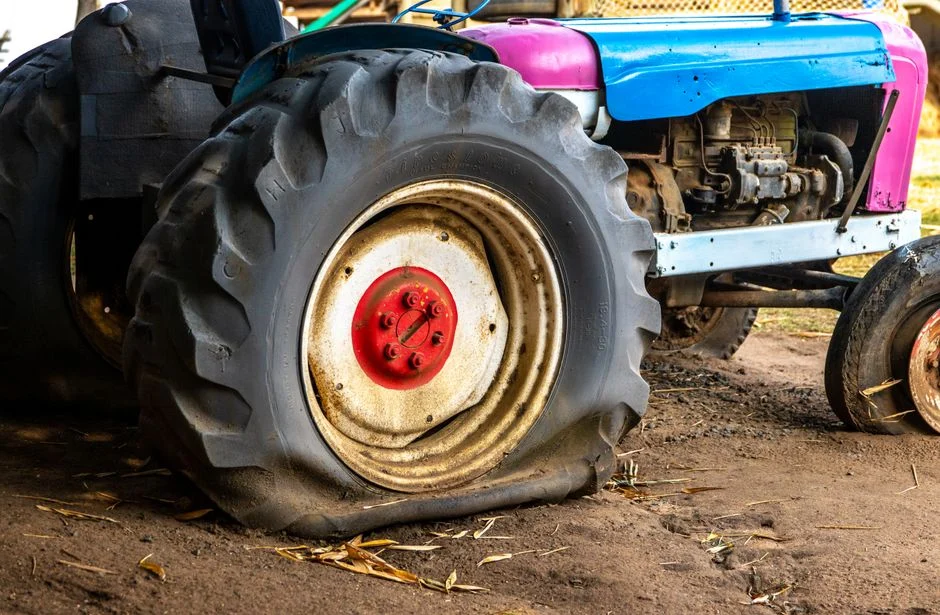
Start with the size and tread code on the sidewall
Read the size yourself instead of trusting the listing. 18.4-38 and 18.4R38 fit the same rim but are different builds (bias and radial), and you shouldn’t mix them on one axle. If you’re replacing one tire, match the other on that axle in size, tread and brand. Monarch Tractor’s inspection guide goes further and says to replace both tires on an axle together. Our tractor tire size guide explains every format, and the tire size converter helps when the seller uses the other system.
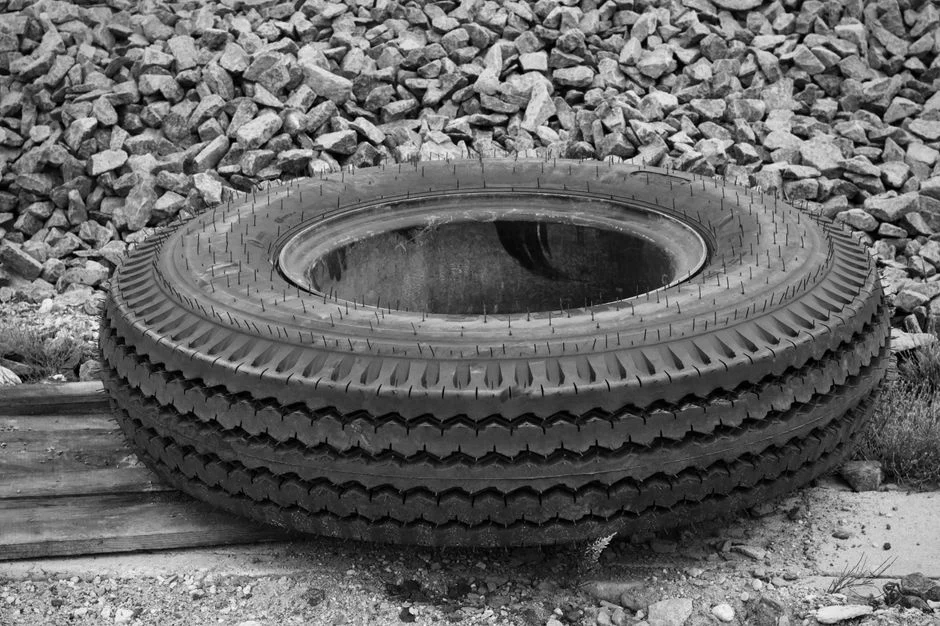
Read the DOT date before you read the tread
Find the DOT code on the sidewall. The last four digits are the week and year the tire was made, so 2319 means week 23 of 2019. NHTSA’s tire guidance gives the same method (0308 is the third week of 2008) and adds that the code may be on one sidewall only, so check both sides.
NHTSA also notes that some vehicle and tire manufacturers recommend replacing tires six to 10 years old regardless of tread wear. That’s road-vehicle advice, but rubber ages anywhere. Age alone doesn’t kill a tire. It does mean the price should be lower and the sidewalls deserve a closer look.
Michelin adds that cracks on an old tire are normal, but heavy ageing on a fairly young one suggests poor storage.
How much tread does a used tractor tire need?
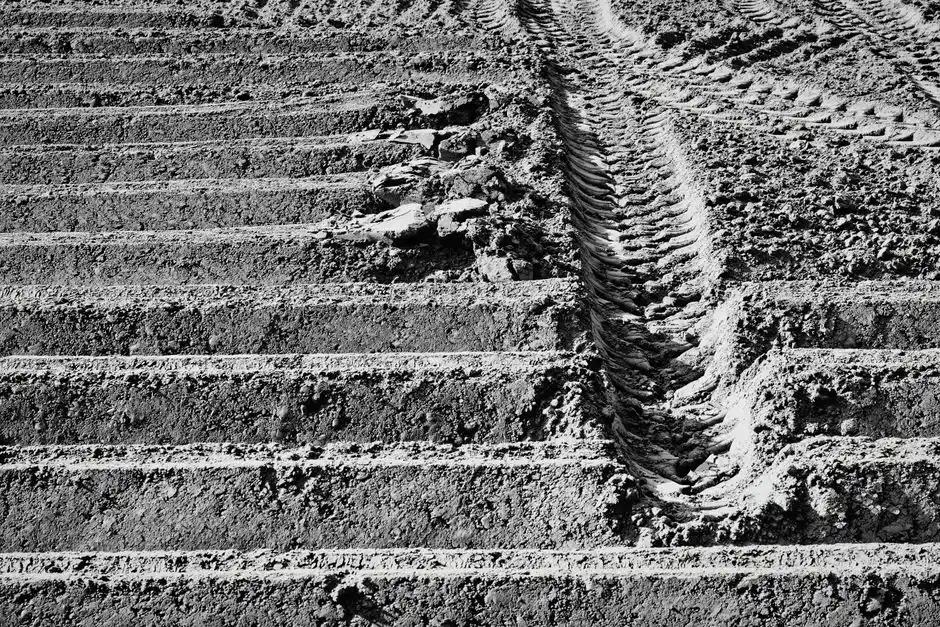
Measure lug height near the center of the tread with a depth gauge or a ruler, on several lugs around the tire. Then compare it with a new tire in the same size and tread, which the manufacturer publishes. The honest answer is that it depends on the job, and the experts don’t agree on one number:
| Source | Rule of thumb |
|---|---|
| Michelin | About 20 mm (0.8 in) left is “well worn”: fine for light work like hay transport, time to replace for high-traction work |
| Ritchie Bros. | At least 30–40% tread when buying a used tractor |
| Monarch Tractor | Replace below 20% of original tread depth |
| Our rule | About half the lug is often fine for utility and loader work. Heavy field work needs more |
Also compare the two edges of each lug. Heavy wear on one side, or uneven wear across the tire, points to the wrong pressure or an alignment problem on the previous tractor. Monarch lists under- and over-inflation as the usual causes. If you want the pressure side of the story, see our tractor tire pressure guide.
One more cross-check from Tractor Zoom: the wear should match the hours on the machine. A low-hour tractor should show little tread wear, and a high-hour one should show more, spread evenly. Heavy wear on a tractor that claims few hours, or a nearly new tread on one with thousands, is a question for the seller. Ritchie Bros. also advises checking that the front and rear tire sizes match the registration paperwork, which is a useful catch when someone has swapped one axle.
What sidewall damage means you should walk away
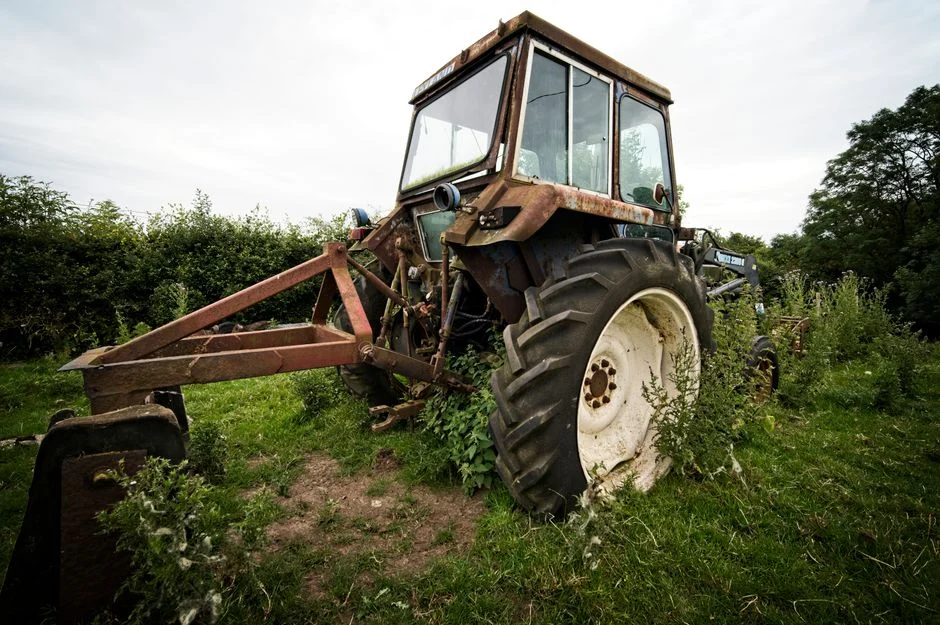
- Weather checking (dry rot): fine surface cracks from sun and dry air are common. Shallow checking is usually cosmetic. Cracks you can open with a fingernail, or that reach the cords, are not.
- Cuts: any cut showing fabric or steel cord is a no. Monarch adds that a cut near the bead or shoulder means replacement.
- Bulges or waves: a bulge means the cords behind it are broken. Monarch says a bulging tire can’t be repaired.
- Radial sidewalls: a radial bulges evenly at the bottom under load. A local bump anywhere else is damage.
Check repairs, beads and the valve stem
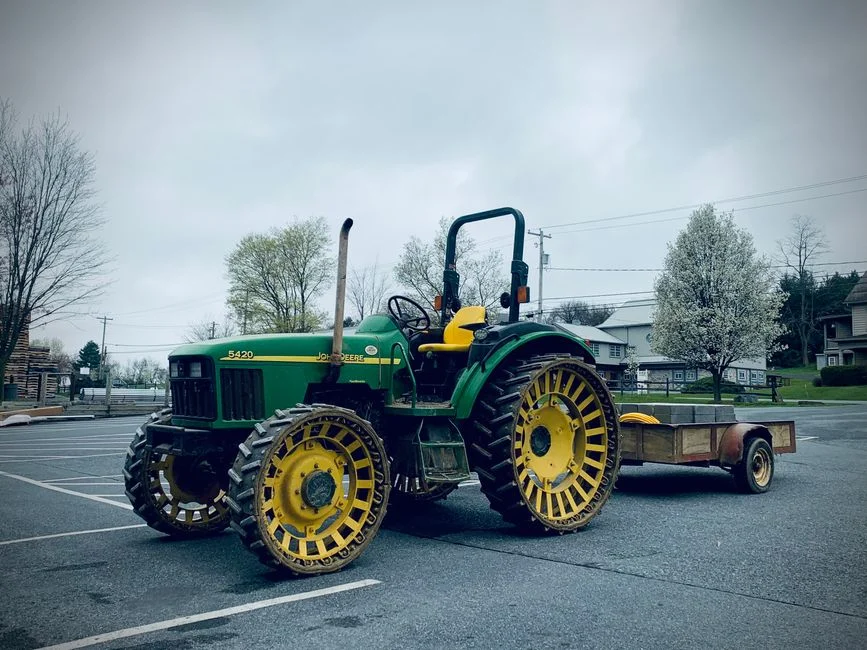
Look inside the tire when you can. A proper patch or patch-plug in the tread area can be fine. Sidewall repairs, boots and several repairs close together are warning signs. Ask the seller directly whether the tire was repaired.
The bead is the edge that seals against the rim. It should be smooth and even all the way round. Torn rubber, kinks or visible wire mean it won’t seal properly or may fail when mounted. And if a tire keeps losing air, Monarch suggests checking the valve stem: it should be tight, not loose and not cracked.
Ask what was inside the tire: liquid ballast
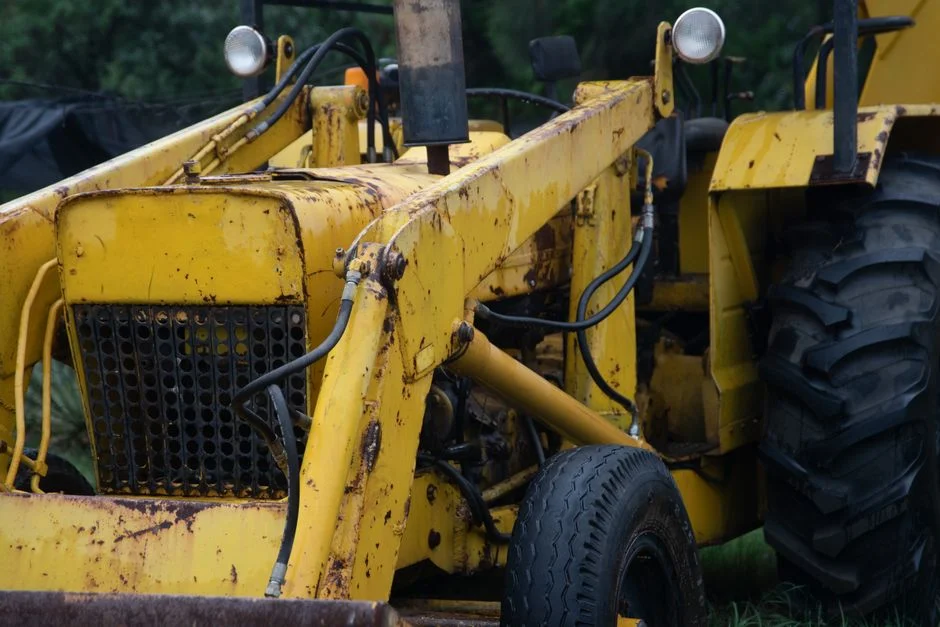
This is the check most guides skip. Many rear tractor tires carry liquid ballast for weight. Ask what was in it and whether it ran with a tube. Calcium chloride solution corrodes steel wheels, so if the wheel comes with the tire, look for rust at the valve hole and along the bead seat. Make sure the tire has been drained and rinsed before it ships. Planning to ballast it yourself? Try our ballast calculator.
Photos and questions for buying at a distance
Ask for photos of the actual tire, never a stock photo. Any seller who won’t send them is telling you something. Ask for:
- The full sidewall showing size, tread code and DOT date
- A ruler or gauge next to a lug near the center of the tread
- Both sidewalls, full width, in good light
- The inside of the tire and both beads
- Close-ups of any repair, crack or cut
Then borrow Michelin’s questions for the seller: how many hours are on the tires, whether they are original, whether the tractor did high-torque work like plowing, whether it ran mostly on roads or in fields, and how often the pressure was checked and adjusted for the implement.
A quick way to score a used tire before you pay
Rule of thumb: count the problems, not the positives. Use the table once you have the photos or the tire in hand.
| What you find | Verdict |
|---|---|
| Right size, tread and DOT date; even wear; light surface checking only; no repairs | Buy at a fair used price |
| One minor flag: older DOT date, a single proper patch, or less lug than you hoped | Buy only at a lower price, or ask for another tire |
| Two minor flags, or wear that does not match the hours | Ask more questions, or pass |
| Cord showing, a bulge, a torn bead, a sidewall repair or an unknown history | Walk away, whatever the price |
Honest answer: a tire that passes this table is a good buy, and a clean used tire at the right price beats a mediocre new one. A tire that fails it is not a bargain, it is a delayed invoice.
When used tires aren’t the right call
Used makes sense on utility, loader and older tractors, for a single replacement that must match a partly worn tire, and when budget is tight. It makes less sense when:
- Your main field tractor does heavy traction work. The longer life of a new tire usually pays back.
- You’d need to replace both tires on an axle anyway.
- The tire is just low on air or has a repairable puncture. You need a gauge or a local repair, not a purchase.
One thing to know before you buy from anyone, us included: used tires have no change-of-mind returns, so inspect first. We supply both new and used, and our suppliers send photos of the actual used tire on request. Browse tractor tires or send us your size on WhatsApp, or ask for a quote and tell us new or used. We’ll find the tire, and we’ll probably make a tread joke. Consider it free.
Questions
How do you tell how old a tractor tire is?
Find the DOT code on the sidewall. The last four digits are the week and year of manufacture, so 2319 means week 23 of 2019. The code may be on only one sidewall, so check both sides.
How much tread should a used tractor tire have?
It depends on the work. Michelin calls about 20 mm (0.8 in) of lug well worn: fine for light work, too little for high-traction work. We treat about half the lug height as often fine for utility and loader tractors.
Are cracks in tractor tires a problem?
Fine surface checking from sun and dry air is common and usually cosmetic. Cracks you can open with a fingernail, or that reach the cords, mean you should not buy the tire.
How old is too old for a used tractor tire?
There is no single cut-off for tractors. NHTSA notes some vehicle and tire makers recommend replacing tires six to 10 years old regardless of tread. Judge an older tire by its sidewalls and price it accordingly.
What should I ask when buying used tractor tires?
Ask how many hours are on them, whether they are original, whether the tractor did high-torque work, whether it ran mostly on roads or fields, and how often the pressure was checked. Ask for photos of the actual tire.
Can a bulge in a tractor tire be repaired?
No. A bulge means the cords behind it are broken, and Monarch Tractor states a bulging tire cannot be repaired. Don't buy it.
Can I run one used tire and one new tire on the same axle?
Only if size, tread code and construction match and the rolling diameters are close. Mismatched wear on one axle makes the tractor pull to one side, and Monarch advises replacing both tires on an axle together.
Why does liquid ballast matter when buying a used tire?
Calcium chloride solution corrodes steel wheels. Ask what was in the tire, check for rust at the valve hole and bead seat, and make sure it has been drained and rinsed before it ships.
Does the tread wear on used tractor tires need to match the tractor hours?
Yes, roughly. A low-hour tractor should show little wear and a high-hour one more, spread evenly across the tire. Heavy wear on a low-hour tractor, or fresh tread on a high-hour one, means the tires were swapped or the hours are wrong. Ask the seller which.
Are used tractor tires worth buying?
Often, for utility and loader tractors, for a single tire that must match a partly worn partner, and on a tight budget. They make less sense on a main field tractor doing heavy traction work, where a new tire's longer life usually pays back.