
Tracks
Rubber Tracks
We source new and used rubber tracks for agricultural and compact equipment. Tracks are identified by their size and by the machine they fit, so send us the size molded on your current track, or your machine make and model, and we will quote what we can supply.
- New & usedcondition options
- 20brands sourced
- About 1 weekshipping to the USA & Europe
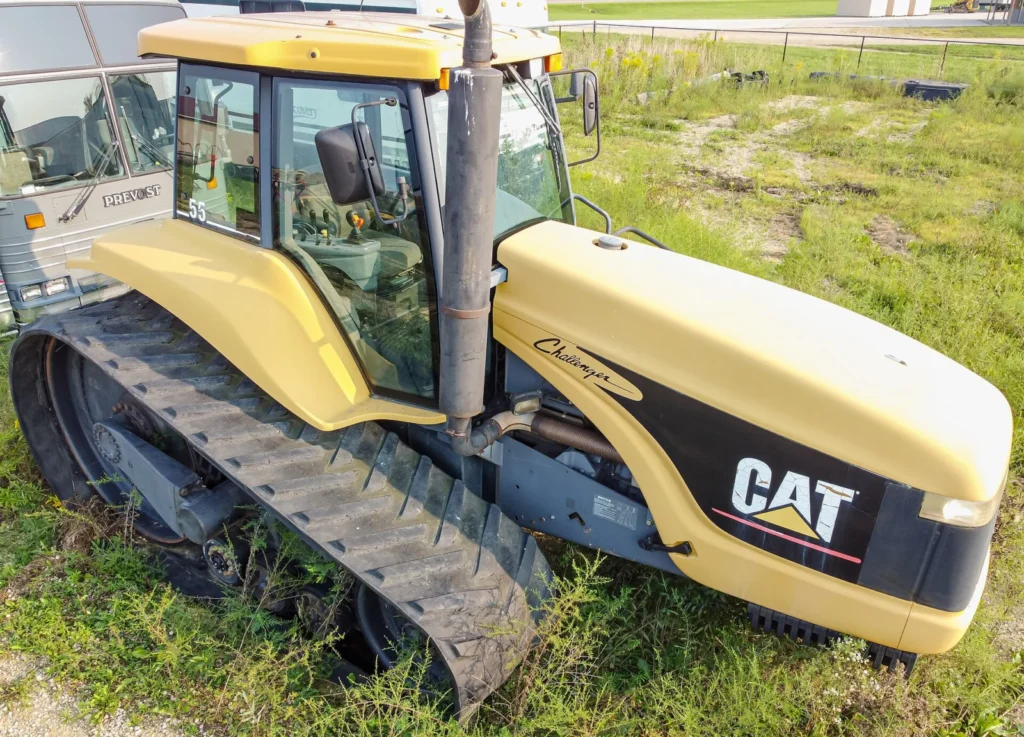

Quick answer: a rubber track is sized by three numbers, width × pitch × links, in millimeters. Match all three, then match the machine make, model and year. The tread pattern and the price come after that. (Fitment first. It keeps you on track.)
| Question | Short answer |
|---|---|
| What size is my track? | Read width × pitch × links off the belt, for example 450 × 86 × 55 |
| How long do tracks last? | Sources put the average between 1,000 and 1,600 working hours |
| How tight should they be? | As tight as your machine's manual says. Check every day, or at least every 5 days |
| Tracks or tires? | Wet soil and width limits favor tracks. Dry, firm ground favors tires |
| What do we need for a quote? | The track size, plus machine make, model and year |
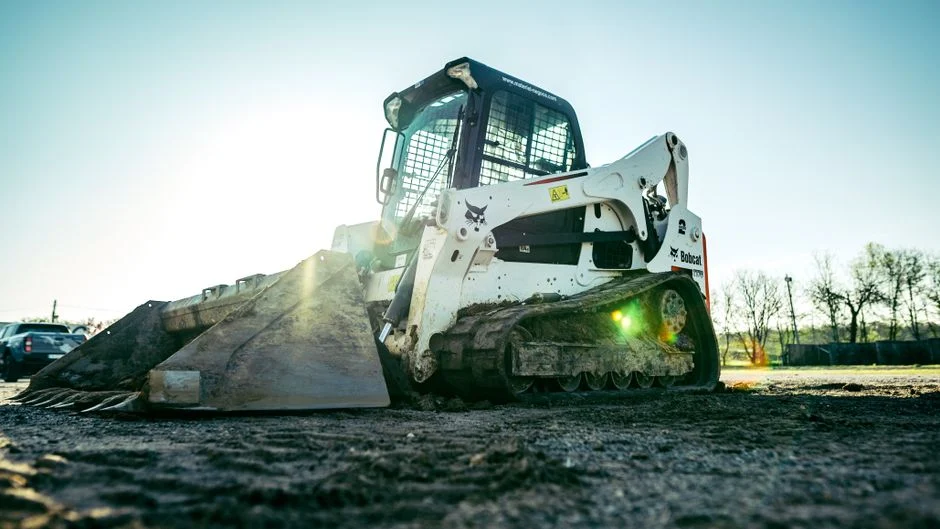
A rubber track size is three numbers: width, pitch and links
Most rubber tracks have the size molded on the outside or inside of the belt. On compact equipment it reads like 450 × 86 × 55:
| Part | Meaning | In this example |
|---|---|---|
| Width | Belt width in millimeters | 450 mm (17.7 in) |
| Pitch | Distance between the centers of two drive lugs, in millimeters | 86 mm (3.4 in) |
| Links | Number of drive lugs around the inside of the belt | 55 |
Widths on compact machines run from about 180 mm (7 in) on small excavators to 450 mm (17.7 in) and more on loaders. Pitches you will see often include 72 mm, 84 mm, 86 mm and 96 mm, according to Broken Tractor's track buying guide. Large agricultural track tractors and combines are usually identified by belt width and machine model instead. Our tractor tire sizes explained guide covers the wheeled side of the same problem.
How do you measure a track when the size has worn off?
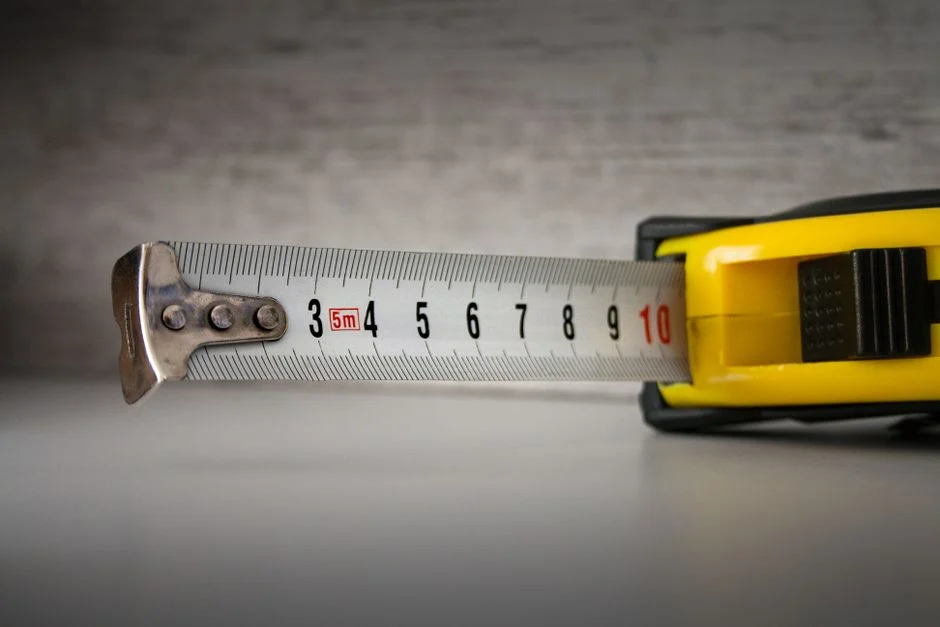
Use a tape, a marker and ten minutes. TVH's rubber track measuring guide uses the same three values. Here is a worked example with a track we will pretend is on your machine:
- Width. The tape reads 17.7 in across the belt. Multiply by 25.4: 17.7 × 25.4 = 450 mm.
- Pitch. Mark the center of one drive lug. Measure to the center of the lug 5 places along. The tape reads 430 mm. Divide by 5: 430 ÷ 5 = 86 mm.
- Links. Count every lug around the inside of the belt. You count 55.
- Sanity check. Pitch × links gives the length around the belt: 86 × 55 = 4,730 mm (186 in, about 15.5 ft). Lay a tape along a straight stretch of the old track. If the total is far off, you have miscounted.
Result: 450 × 86 × 55. Measuring across several lugs and dividing beats measuring one gap, because a single reading can be off by a few millimeters. If you work in inches, our size converter and the tire tools page help with the conversions. Track size is only a starting point, so add the machine make, model and year.
Same three numbers can still be the wrong track
Two tracks can share width, pitch and links and still not interchange. Check every item below before you order:
| Check | Why it matters |
|---|---|
| Width | Too wide rubs the frame. Too narrow rides off the rollers |
| Pitch | The lugs must sit exactly on the sprocket teeth |
| Links | Wrong count means the track is too loose or cannot be tensioned |
| Guide type letter | Some tracks carry a letter such as N, K, W, B or T for the shape of the inner guide. Broken Tractor lists these. Match it to the old track |
| Machine make, model, year | Matching numbers on different machines are common |
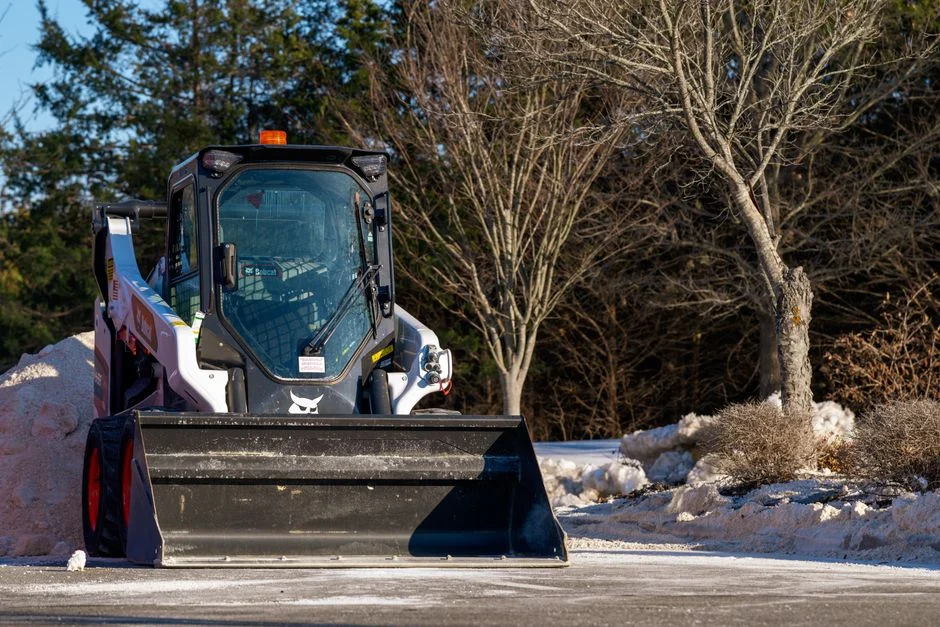
Which tread pattern fits your ground?
Tread is the second decision, after fitment. Pattern names vary by maker. The groups below turn up across the sources we read, including TrackTECH's buying guide.
| Pattern | What it is known for | Think about it when |
|---|---|---|
| Multi-bar | The smoothest ride of the common patterns | You work on hard or finished surfaces and want less vibration |
| Zig-zag (general duty) | A value option for lighter, mixed work | Hours per year are modest and the ground is forgiving |
| Bar or block (heavy duty) | Built for longer life in harder use | You run long hours or work in rough ground |
| C-block and staggered block | All-round compromises between grip and ride | One set of tracks has to cover several jobs |
Rule of thumb: general duty is a trade of price for life. Heavy duty costs more up front and is meant to last longer. Winter adds a twist. Snow can pack into some treads and cut traction, so tell your supplier if you work in snow.
Skid steer, mini excavator or farm machine: what changes?
| Machine | What to know |
|---|---|
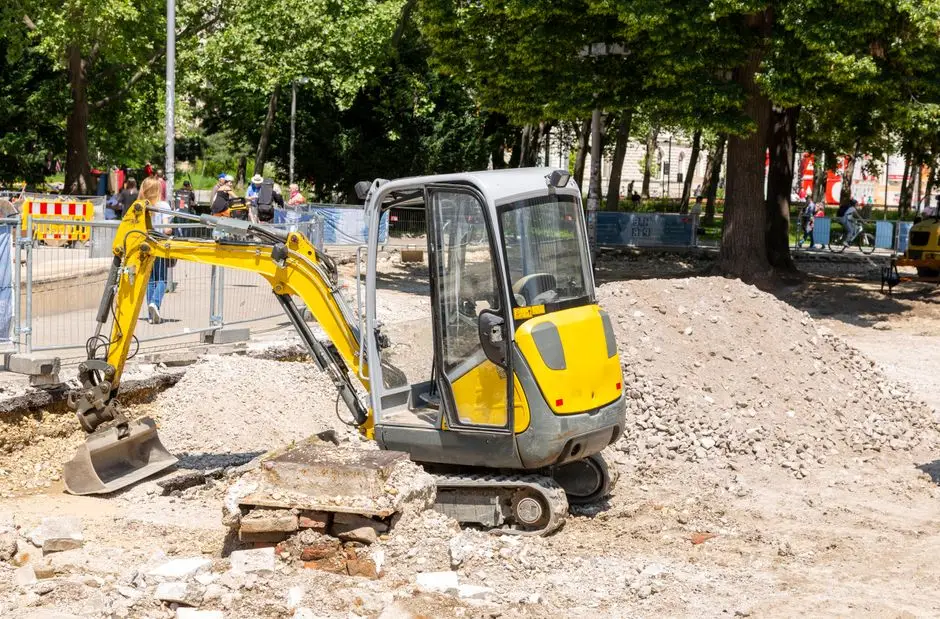
| Skid steer and compact track loader | Rubber tracks only, in bar, block and zig-zag patterns. Undercarriages are rigid or suspended. Kubota notes that the choice changes ride and how tracks wear |
| Mini excavator | Four undercarriage options exist: heavy duty rubber, general duty rubber, steel with rubber pads, and steel. Carter Machinery lists all four. Only the rubber ones are what we mean here |
| Farm track machines | Identified by belt width and machine model. Send the model and we will quote what we can supply |
Mini excavators and loaders both use width × pitch × links. They do not share tracks, because their guides and frames differ. Never assume a track from one fits the other. For wheeled equipment, start at construction tires or the tractor tires page.
How long do rubber tracks last?
| Source | Figure |
|---|---|
| Bridgestone | About 1,200 working hours on average |
| Broken Tractor | 1,000 to 1,600 operating hours |
| Cleveland Brothers | 400 to 2,000 hours, averaging 1,200 to 1,600 |
That spread is huge. Surface hardness and the operator explain most of it. Rock, stubble and abrasive ground wear rubber fast. Slack tension and sharp turns on pavement do the rest.
Is the cheaper track really cheaper per hour?
Divide the price of the track by the hours it lasts. That is the cost per hour. A track that costs twice as much and lasts twice as long costs the same per hour. A track that costs twice as much and lasts only 1.5 times as long costs 33% more per hour (2 ÷ 1.5 = 1.33).
| Price compared to option A | Life compared to option A | Cost per hour |
|---|---|---|
| 1.0× | 1.0× | The same |
| 2.0× | 2.0× | The same |
| 2.0× | 1.5× | 33% higher |
| 1.5× | 2.0× | 25% lower |
We do not publish track prices, because every track is quoted. Ask each supplier for the expected hours, then run the sum. (Our idea of a fun Friday is a division problem. We know.) For how we think about tire prices, see how much a tractor tire costs.
When should you replace a track?
- Cracks that run across the belt, or steel cords showing.
- Missing or badly worn drive lugs, or lugs that slip on the drive wheel.
- Sprocket teeth worn pointed or hooked instead of rounded. Replace those parts too.
- Tread worn well down. A new track has about 1 in (25 mm) of tread.
- Cuts along the edges, or dry rot and stress marks from sun.
- A track that keeps loosening, sagging or jumping off.
Replace both tracks together, in most cases. A new track beside a worn one makes the machine pull to one side.
How tight should a track be?
Follow the manual for your machine. Cleveland Brothers advises checking tension daily, or at least every 5 days. Tension is set with a grease cylinder. Too loose and the track can jump off. Too tight and everything wears faster. Before new tracks go on, inspect the rollers, idlers and sprockets, because worn parts ruin new rubber.

Do you need tracks, or would better tires do the job?
Rule of thumb: tracks earn their keep on wet soil and width-limited jobs. Tires with the right pressure cover the rest. (Tracks are the only footwear that never ask whether the field is dry.)
Bridgestone's tracks versus tires comparison puts numbers on it. Below 20 psi (1.4 bar), tires put less pressure on the soil than tracks. From 20 to 35 psi (1.4 to 2.4 bar), the two are about even. Above 35 psi (2.4 bar), tracks win on flotation.
| Factor | Rubber tracks | Tires |
|---|---|---|
| Best slip rate | 0 to 3% | 5 to 9% |
| Wet or muddy ground | Larger footprint, shallower ruts | Good if run at low pressure |
| Fuel use | No real saving; can need more power to turn | About the same when properly maintained |
| Typical life | Around 1,200 working hours | Depends on tread type and care |
| Upfront cost | Higher than a comparable wheeled machine | Lower |
| Maintenance | Track tension, greasing, oil levels | Inflation pressure |
Selection depends on field width limits, soil, budget and weather. Check our tractor tire pressure guide before you spend on tracks.
Seven mistakes that cost people a second shipment
- Measuring the gap between lugs instead of center to center.
- Forgetting that 1 inch is 25.4 mm.
- Miscounting links. Count every one around the inside.
- Assuming matching width, pitch and links means the track fits.
- Ignoring the guide type letter.
- Fitting new rubber onto worn rollers or sprockets.
- Buying on price per track instead of cost per hour.
How do you buy a used track without regret?
Tread carefully. A used track can be a sound buy or a short-lived one, and the photos decide which. We source new and used tracks, and suppliers send photos of the actual item on request. Ask for these:
- The outside of the belt, full length, for cuts and cracks.
- The inside, showing every drive lug.
- Any spot where cords show.
- The molded size markings.
- Tread depth next to a tape measure.
Our used tire inspection checklist covers the same cuts, cracks and photo questions for tires.
When you don't need new tracks
- Your ground is mostly dry and firm and you run tires at the pressure the load table allows.
- Your tractor is wheeled and you only want less compaction. Wider flotation tires may do it for far less money.
- The track is loose, not worn. Tension may be the whole problem.
- You are not sure which size you have. Sort that out first, then decide.
Where tracks and tires meet in our catalog
For wheeled machines, browse agricultural tires, wheels and rims, the tire size index, farm equipment tires and the R1 to R4 tread guide.
What to send us for a quote
- The size from the track, or your width, pitch and link count.
- The machine make, model and year.
- How many tracks, new or used, and where to ship.
We quote each track. We ship to the USA and Europe in about 1 week and take payment by Zelle. Send us your size on WhatsApp or use the quote form. We will find the track. We will probably also make a tread joke. Consider it free.
Questions
How do I read a rubber track size like 450x86x55?
450 is the width in millimeters, 86 is the pitch (distance between drive lugs, center to center) in millimeters, and 55 is the number of links.
How do I measure a rubber track?
Measure the belt width, measure pitch from lug center to lug center across several lugs and divide, then count the links around the inside. Add the machine make, model and year.
How long do rubber tracks last on a skid steer?
Sources put the average between 1,000 and 1,600 working hours, with a full range of 400 to 2,000. Ground, operator habits and tension decide where you land.
How tight should skid steer tracks be?
As tight as the machine manual specifies. Check tension daily, or at least every 5 days. Too loose can derail the track and too tight wears parts faster.
When should I replace my rubber tracks?
Replace them for cracks across the belt, exposed cords, missing lugs, tread worn well down or a track that keeps loosening. Replace both sides together in most cases.
Are rubber tracks better than tires?
Not always. Tracks give a larger footprint and shallower ruts on wet ground. Properly inflated tires are comparable at 20 to 35 psi (1.4 to 2.4 bar) and cost less upfront.
Can I use the same tracks on a mini excavator and a compact track loader?
No. Both use width, pitch and links, but guides and frames differ. Match the track to the exact machine make, model and year.
What tread pattern should I choose?
Match it to the job. Multi-bar rides smoothest, zig-zag is a general duty value pick, and bar or block patterns are the heavy duty choice. Tell your supplier if you work in snow.
Do you sell used rubber tracks?
We source new and used tracks. Send us the size and machine model, and ask for photos of any used track.
How long does shipping take?
About 1 week to the USA and Europe once the order is confirmed. We ship from Bangkok and take payment by Zelle.