
Skid steer
Skid Steer Tires
Skid steer tires turn the machine by scrubbing sideways across the ground, so they wear fast and size matters. The common sizes are 10-16.5, 12-16.5 and 14-17.5. Pick the tread for your ground, then air-filled, foam-filled or solid. (Somebody has to take the beating.)
- 5sizes listed
- New & usedcondition options
- 20brands sourced
- About 1 weekshipping to the USA & Europe
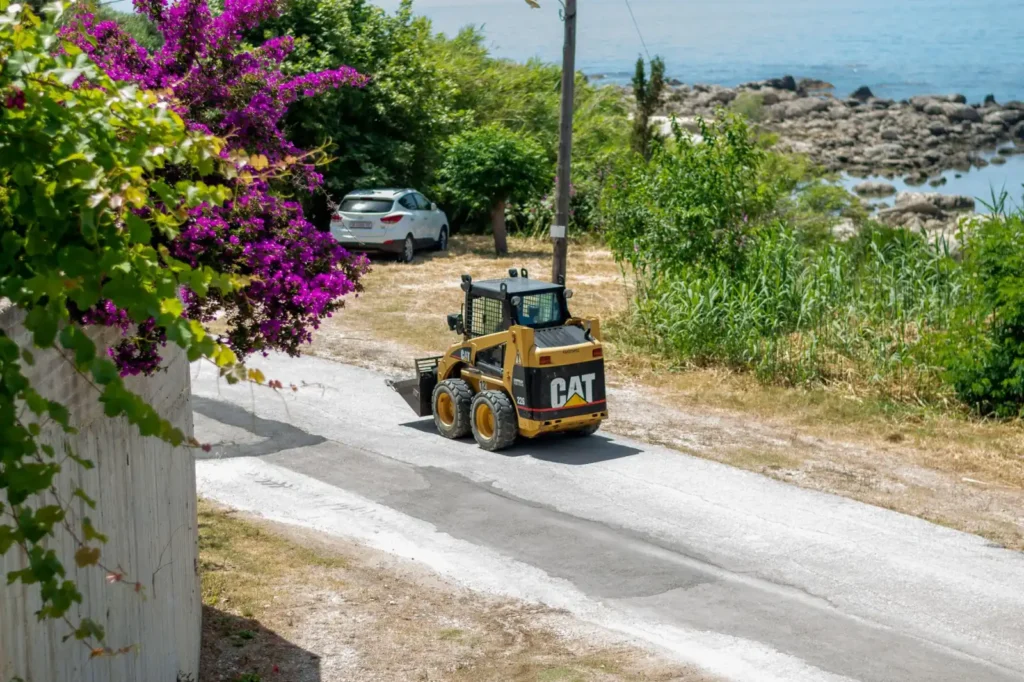
Skid Steer Tires sizes
Skid Steer Tires
That size isn’t in this list — we can often still source it. Ask us on WhatsApp
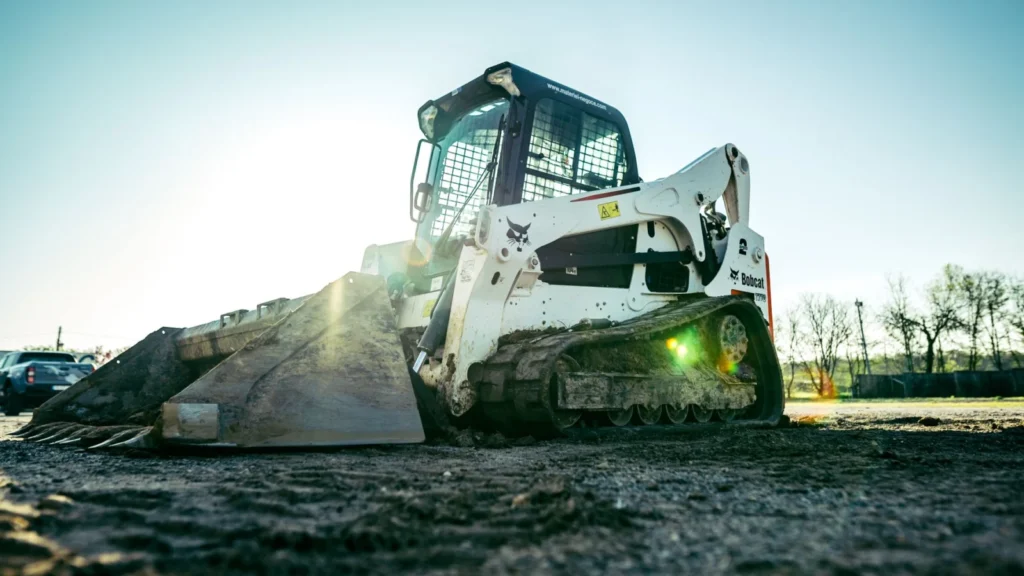
Which skid steer tire sizes are the most common?
Three sizes cover most machines. McLaren Industries lists 10x16.5 for smaller skid steers, 12x16.5 for mid-size machines and 14x17.5 for machines of 90 hp or more. It also gives typical overall heights, which the size code itself does not show.
| Size | Width and rim | Typical overall height | Our size page |
|---|---|---|---|
| 10-16.5 | 10 in (254 mm) wide, 16.5 in (419 mm) rim | 30 to 31 in (762 to 787 mm) | 10-16.5 |
| 12-16.5 | 12 in (305 mm) wide, 16.5 in (419 mm) rim | 32.5 to 33 in (826 to 838 mm) | 12-16.5 |
| 14-17.5 | 14 in (356 mm) wide, 17.5 in (445 mm) rim | 36 to 36.5 in (914 to 927 mm) | 14-17.5 |
| 15-19.5 | 15 in (381 mm) wide, 19.5 in (495 mm) rim | Not given by the sources | 15-19.5 |
| 27x8.50-15 | 27 in (686 mm) tall, 8.50 in (216 mm) wide, 15 in (381 mm) rim | 27 in (686 mm) | 27x8.50-15 |
The 10R16.5 radial fits the same rim as the 10-16.5. The full list lives on our tire size index.
How do you read a skid steer tire size?
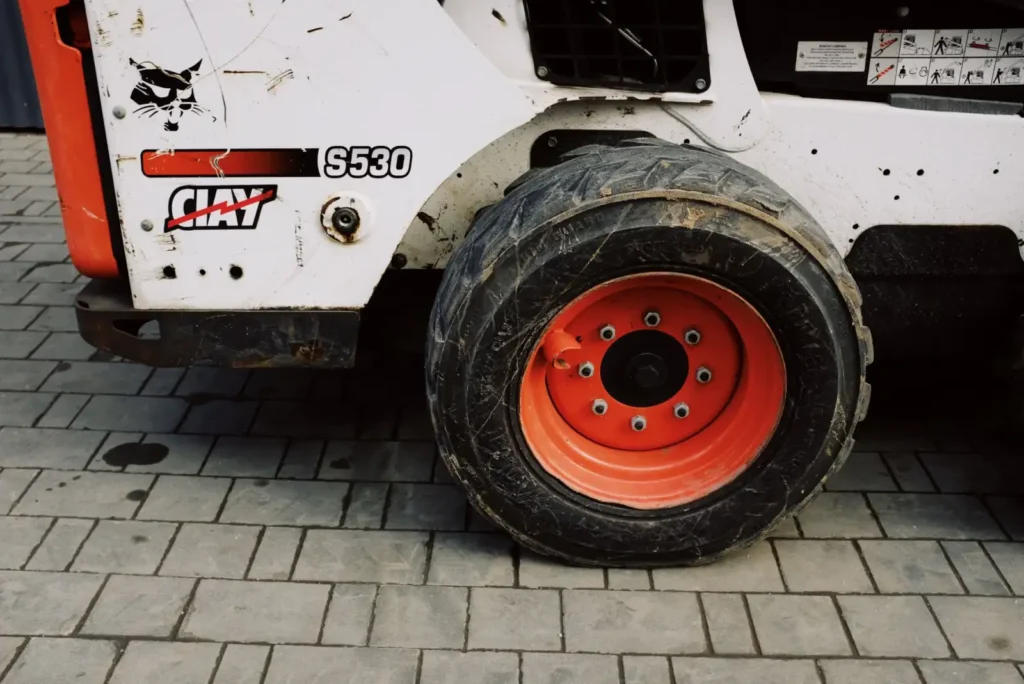
Air-filled sizes use two numbers: width, then rim diameter, both in inches. A 12x16.5 is 12 in (305 mm) wide on a 16.5 in (419 mm) rim. Some sizes add the overall height first, so 27x10.5-15 is 27 in tall, 10.5 in wide, on a 15 in rim, as Skidsteers.com explains. Solid tires always use three numbers: height, width, rim.
Solid sizes line up with air-filled ones. The same source matches 30x10-16 to 10x16.5, 33x12-16 or 33x12-20 to 12x16.5, and 36.5x12-20 to 14x17.5. Our tire size converter handles the arithmetic if you would rather not.
Overall height deserves a second look. McLaren calls it perhaps the most important dimension. Too small, and the lift arms cannot seat properly, which costs digging and lifting power. Too large, and the bucket stays off the ground and the cylinders work harder. Match your current height, not just the code.
Which tread suits your ground?
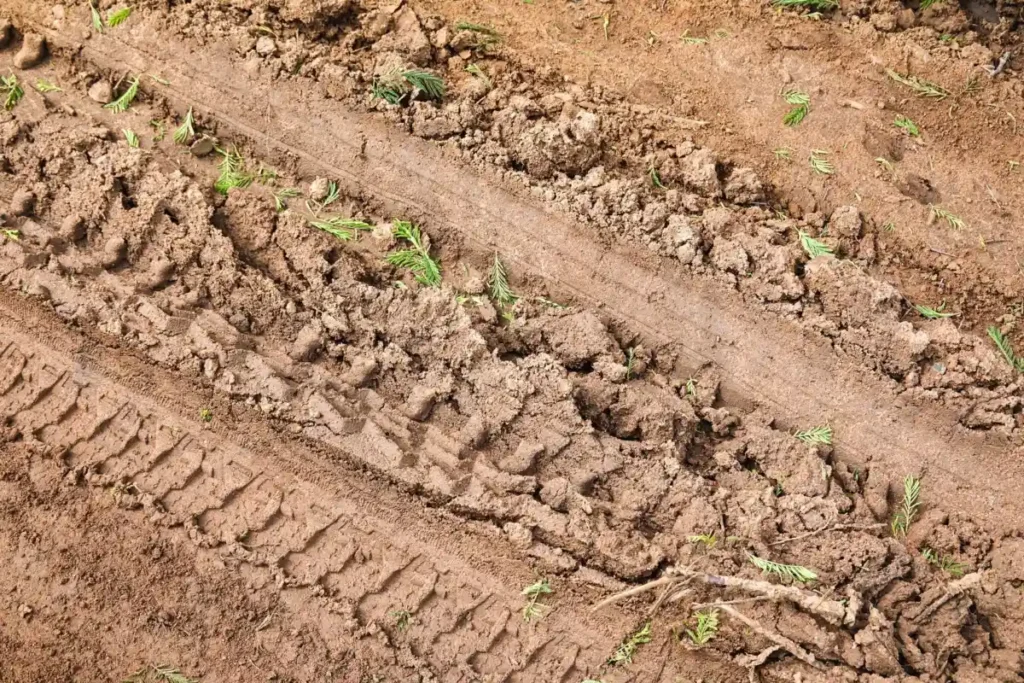
Skid steers turn by scrubbing sideways, so tread choice decides how long the tire lasts and how much ground it tears up. Names vary by maker. These are the types Turf Magazine describes.
| Tread | Best for | Watch out for |
|---|---|---|
| Swept lug (R-4 style) | Dirt, grading and mud. The most common factory tread, and usually the cheapest. | Chews up turf. Wears faster on hard surfaces. |
| Multipurpose | Mixed work, hard surfaces and snow removal. Sheds mud and costs less than turf tires. | The source lists no drawback, so compare the exact model. |
| Turf | Lawns and sensitive ground. Less damage when turning. | Poor traction in dirt and mud. Higher price. |
| Smooth | Specialty work on hard surfaces. | Not for loose ground. |
Standard tread depth is 0.75 in (19 mm), with deeper tread suggested for rocky ground. Want the farm-tractor version of this code? Our R1 vs R2 vs R3 vs R4 guide and the R4 tractor tires guide explain where swept lugs come from.
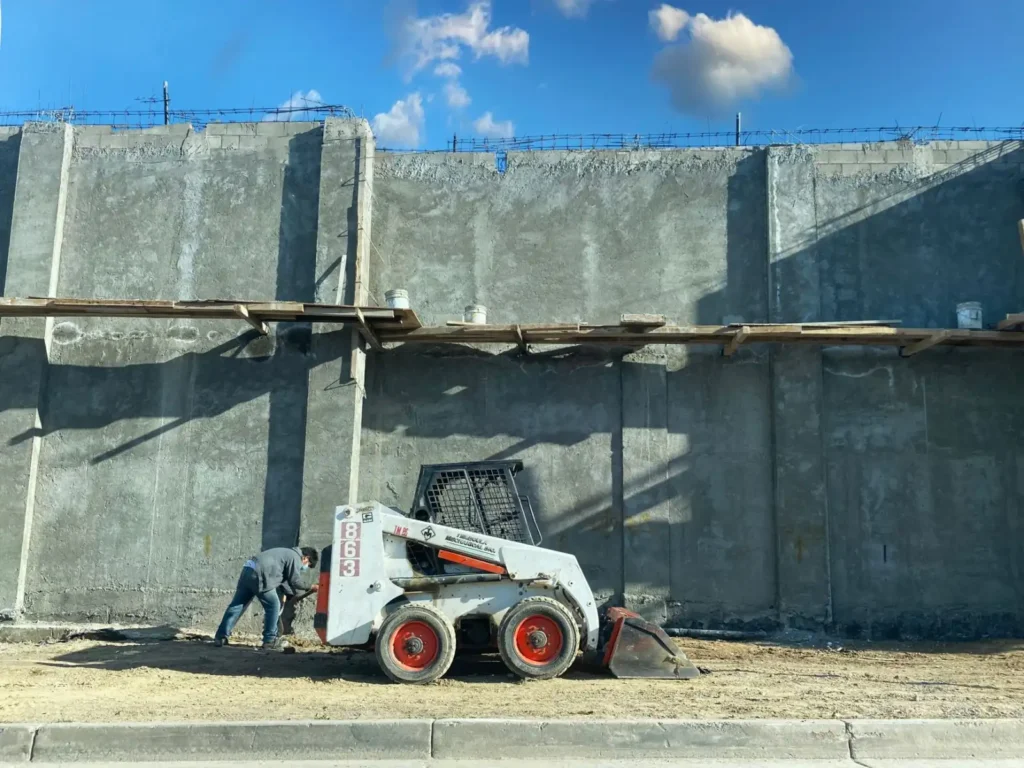
Air-filled, foam-filled or solid: which build?
Same size, very different day. Compact Equip compares them like this.
| Build | What you get | The catch |
|---|---|---|
| Air-filled (pneumatic) | Lowest cost and a comfortable ride. | Punctures and flats. Check pressure daily. |
| Foam-filled | More puncture resistance and durability. Better suited to construction. | Higher cost. |
| Solid | No flats, and often a longer life. | Most expensive up front. |
For scrap yards, recycling centers and sites with sharp debris, Skidsteers.com recommends solid. For general dirt, concrete or asphalt work, either type is effective. A solid tire will never go flat, which makes it the only thing on site that never has a bad day.
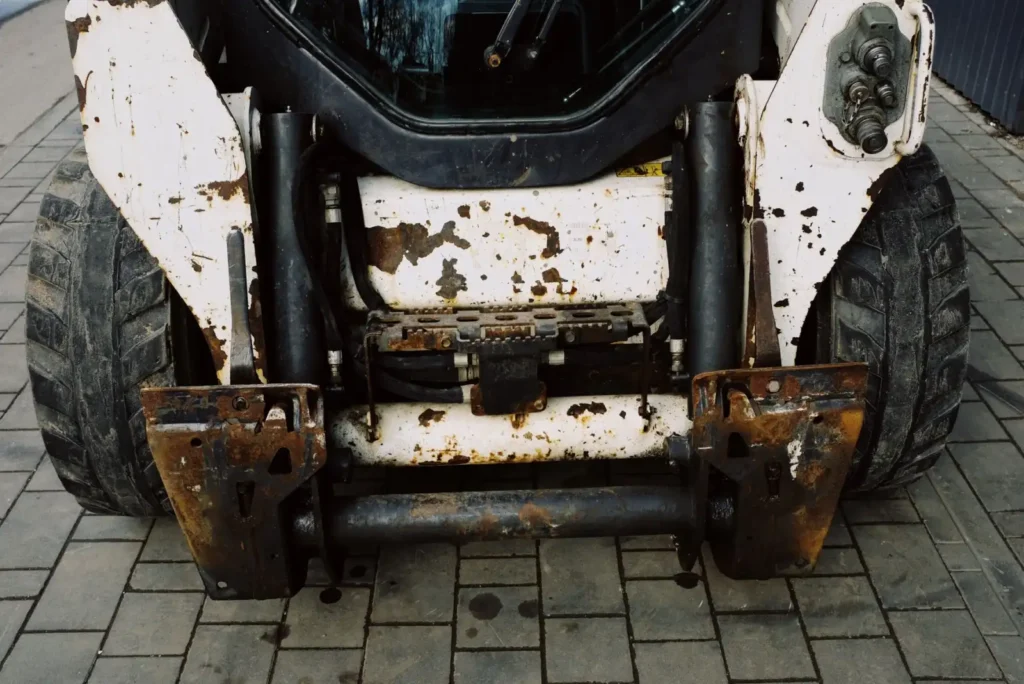
Bias or radial skid steer tires?
Compact Equip says bias tires are less expensive and designed for off-highway use. Radials bring better traction, cut and heat resistance, and suit higher speeds and hard, paved surfaces, at a higher price. Bias keeps the sidewall stiff, which some operators like at full lift. Our radial vs bias guide covers the trade in full, and the 10R16.5 page shows the radial version of the most common size.
One rule applies to both: do not mix. A skid steer steers by speed difference between its sides, so keep all four tires the same size, build and similar wear.
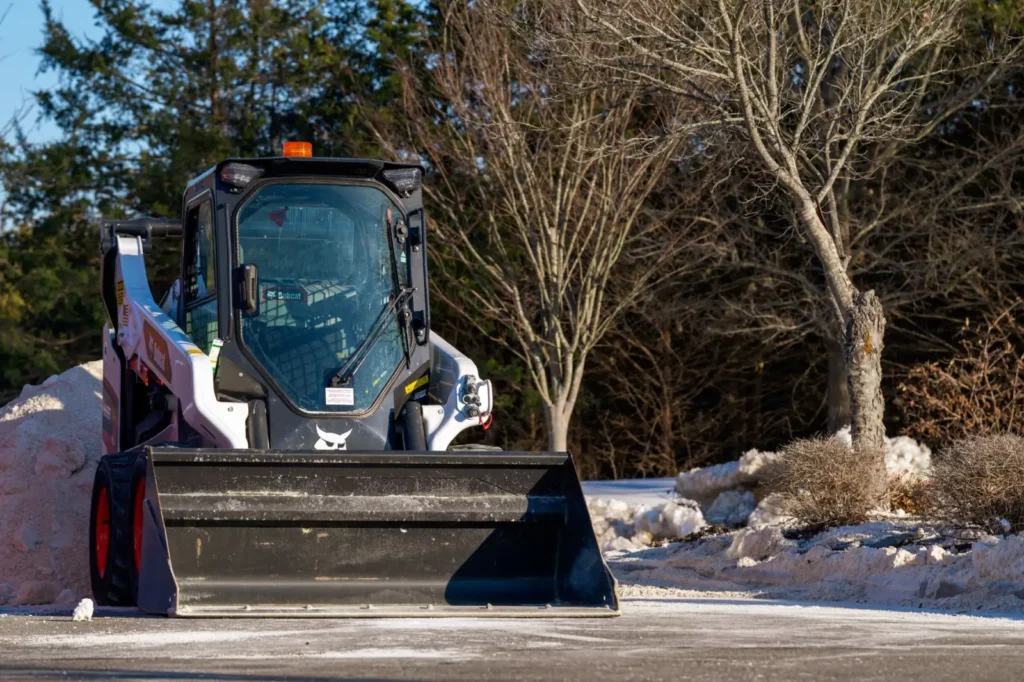
Which skid steer tires can we quote?
Our catalog lists two skid steer models, both bias-ply and air-filled. The Ascenso SSB 331 carries the R-4 tread in 10-16.5, 12-16.5, 14-17.5, 15-19.5 and 27x8.50-15. The Ozka KNK66 comes in 10-16.5, 12-16.5 and 12.5/80-18. See all Ascenso and Ozka listings.
We quote each tire with shipping rather than print a price that goes stale. Need foam-filled, solid or the 10R16.5 radial? Send us the size and we will tell you what we can source. Loader tractors and backhoes use related R-4 sizes, which our industrial tires and construction tires pages cover. New wheels? See wheels and rims.
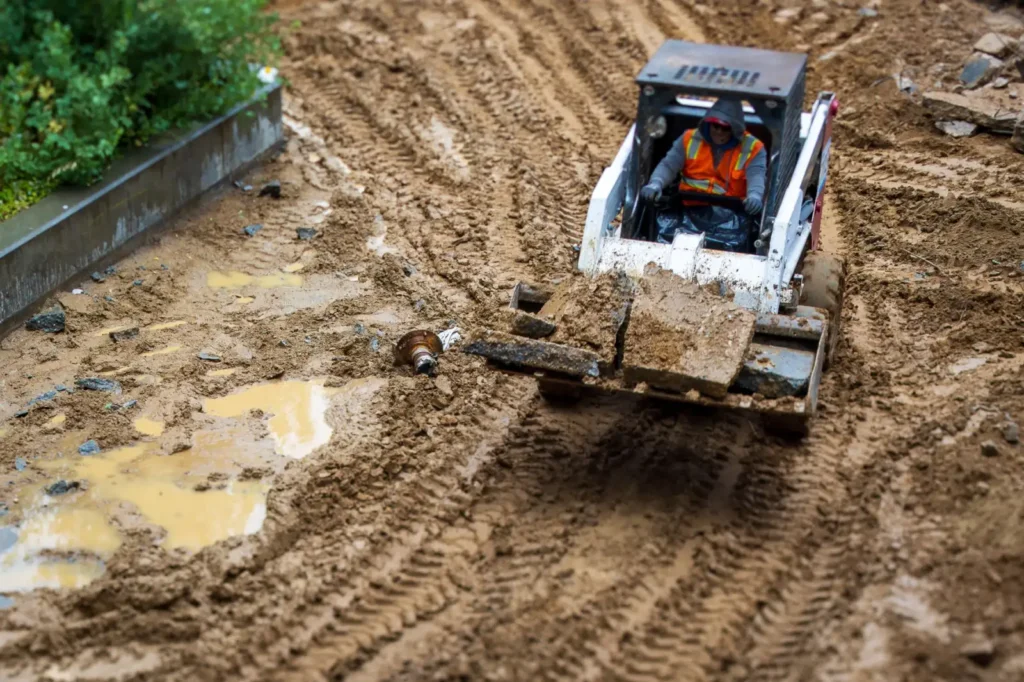
When you don't need new skid steer tires
Honest answer: a worn look is not always a worn tire. Skip the quote in these cases.
- The tire is soft, not worn. A soft tire needs a gauge, not a purchase.
- A puncture is the only problem and it is repairable. A local shop can fix that.
- The tread is deeper than the wear suggests and the casing is sound. Clean the packed dirt off first. Rocks and caked dirt speed up wear.
- Only one tire is worn. Replace in a set, but a flat on a nearly new tire is a repair, not a new set.
Our opinion: if you buy used, read the date before the tread. The last four digits of the DOT code give the week and year of manufacture, so 0308 means week 3 of 2008, according to NHTSA. Deep tread on an old, cracked tire is still an old, cracked tire. Our used tractor tires page explains what to ask for. Tread carefully.
How do you get a skid steer tire quote?
Read the size off the sidewall of the tire you are replacing, front and rear. Add the machine model, the tread you want and whether you need air-filled, foam-filled or solid. A photo of the sidewall helps. Used tires come with photos of the actual tire on request.
Then start on our quote page or send us your size on WhatsApp. We'll find the tire. We'll probably also make a tread joke. The joke is free, and it will not skid.
Questions
What size tires does a skid steer use?
Most use 10-16.5, 12-16.5 or 14-17.5. McLaren Industries lists the 14x17.5 for machines of 90 hp or more. The size is printed on your current tire, so read it before you order.
What is the most common skid steer tire size?
10-16.5 is the most common. It is 10 in (254 mm) wide on a 16.5 in (419 mm) rim and typically stands 30 to 31 in (762 to 787 mm) tall.
Which tread is best for a skid steer?
It depends on the ground. A swept lug, R-4 style tread suits dirt and mud. A multipurpose tread suits mixed work and snow. A turf tread suits lawns. Mismatched tread wears early or sticks in mud.
Are foam-filled or solid skid steer tires worth it?
Where flats are common, yes. Foam-filled resists punctures at a higher cost. Solid never goes flat and often lasts longer, but costs the most up front. Scrap yards and sites with sharp debris are the classic cases.
Can I put different size tires on a skid steer?
Keep all four the same size. Overall height matters most: too small and the arms cannot seat, too large and the bucket stays off the ground. Match your current height and check the manual before moving up a size.
Are bias or radial skid steer tires better?
Bias costs less and keeps a stiff sidewall. Radial brings better traction, cut and heat resistance on hard surfaces, at a higher price. Do not mix them on one machine.
How do I read a size like 12x16.5?
The first number is the tire width in inches and the second is the rim diameter. So 12x16.5 is 12 in (305 mm) wide on a 16.5 in (419 mm) rim. Three-number sizes such as 27x10.5-15 start with the overall height.
Do you quote skid steer tires?
Yes. We quote new and used and ship to the USA and Europe in about 1 week. Our catalog lists two bias skid steer models today, and we check foam-filled, solid or radial requests on request.