
Tire Types & Tread Patterns
Rear Tractor Tires: Sizes, Tread and How to Pick a Pair
Rear tractor tires are the large drive tires on the back axle of a tractor. They put engine power on the ground, so they use deep lugs, such as R-1, and carry most of the weight. Common sizes run from 11.2-24 to 18.4-38 or 520/85R38.
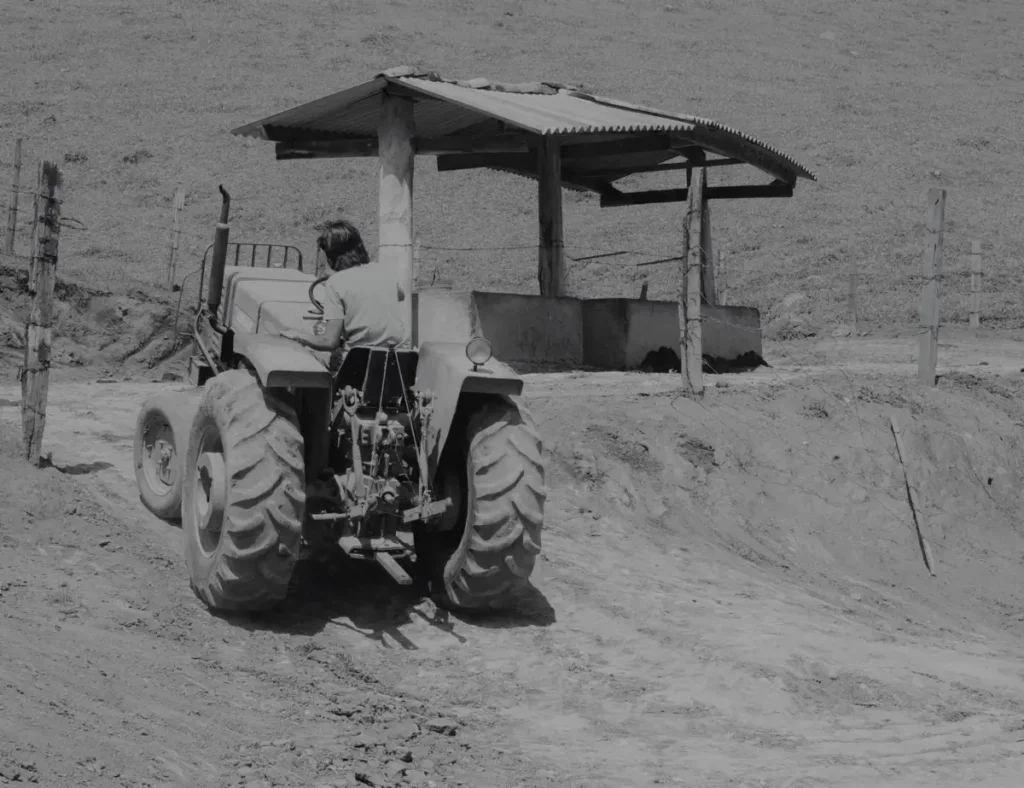
Rear tractor tires do the heavy lifting. They pull, they push, and they get the blame when the tractor sits in a ditch. (Somebody has to carry the farm on their back. Or at least on their lugs.)
Rear tractor tires are the large drive tires on the back axle. They turn engine power into pull, so they use deep lugs and carry most of the tractor’s weight. Sizes run from 11.2-24 (284 mm wide) on a compact tractor to 18.4-38 (467 mm) or 520/85R38 on a row-crop tractor. Let’s get to the rear of the matter.
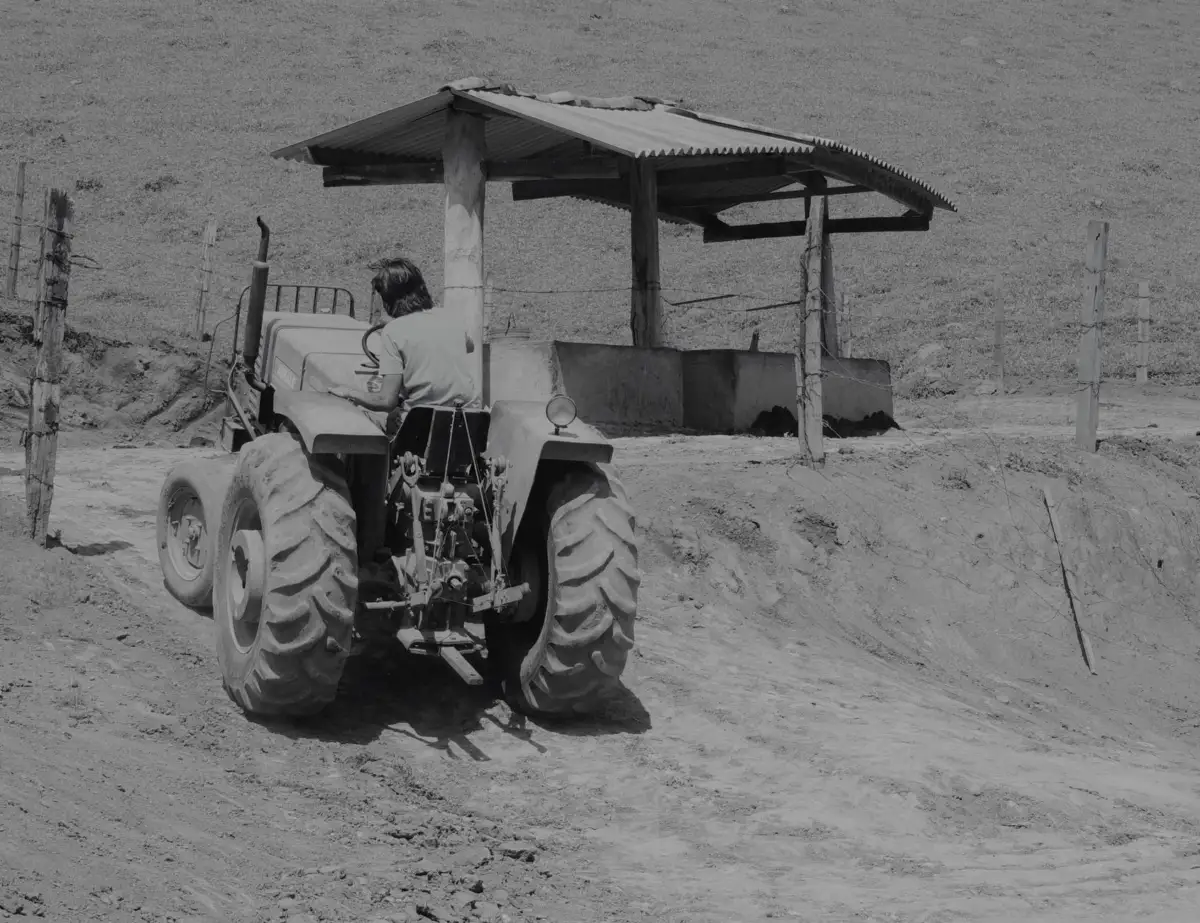
Rear tractor tires are bigger because they do the pulling
Rear tires drive the tractor through the soil. A big footprint grips more ground, spreads the weight and keeps the tractor from digging in. SlashGear puts it plainly: the larger rears give traction and stop the tractor getting stuck, while the smaller fronts steer with less soil disturbance.
Weight matters too. A loaded implement pushes more of the tractor’s weight onto the rear axle, and the rear tires have to carry it and still bite. That is why a rear tire is built for load first and steering never.
You will see them called tractor rear tires, tractor tires rear or rear drive tires. Same part, three names. On a 2WD tractor the rears do all the driving. On an MFWD tractor the fronts help, so the two sets must stay matched. SlashGear warns that mismatched circumference ratios wear tires faster and strain the driveline. Our front tractor tires guide covers the other half of the pair.
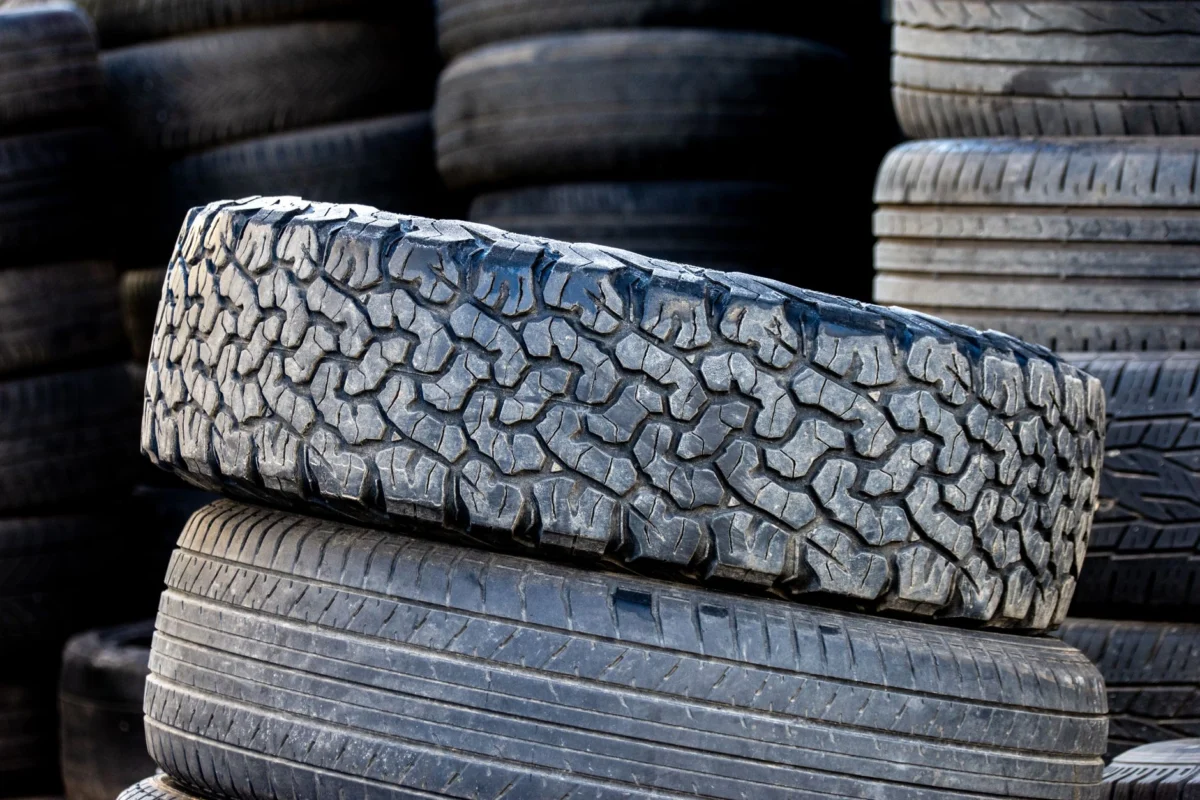
Which rear tread do you need: R-1, R-1W, R-3 or R-4?
The tread code is molded into the sidewall next to the size, for example 18.4-38 R-1 or 520/85R38 R-1W. It names the lug pattern. The most common rear tread has its own page: our R1 tractor tires guide.
| Code | Lugs | Best for a rear axle |
|---|---|---|
| R-1 | Standard bar lugs, angled, with open gaps | General field work, tillage and hauling on farm soil |
| R-1W | At least 20% deeper than R-1 | Wet or heavy soil, and tractors with many field hours |
| R-3 | Shallow and closely spaced | Lawns and turf, where marks matter |
| R-4 | Between R-1 and R-3 | Loader and yard work on hard surfaces and gravel |
Farm soil means R-1 or R-1W. Choose the deeper R-1W if your fields stay wet. Our tractor tire types guide covers all five codes, and the right pick depends on your ground. Choose the wrong one and your tractor will lug it around for nothing.
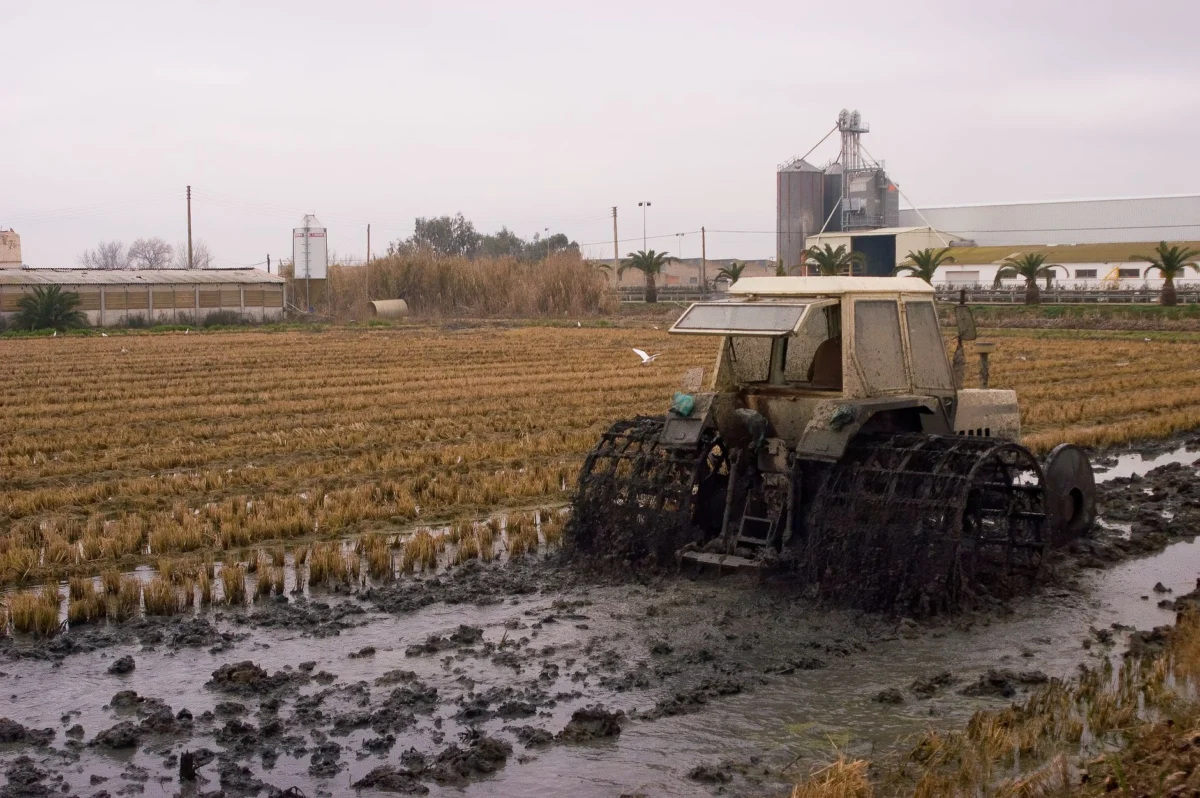
What sizes do rear tractor tires come in?
Rear sizes come in two codes. A dash means bias-ply, as in 18.4-38. An R means radial, as in 520/85R38. In an inch size the first number is the width in inches and the last is the rim diameter. Multiply the width by 25.4 for millimeters. Here are common bias rears we list:
| Bias size | Width in (mm) | Rim in (mm) | Radial equivalent |
|---|---|---|---|
| 11.2-24 | 11.2 (284) | 24 (610) | Use the converter |
| 12.4-28 | 12.4 (315) | 28 (711) | Use the converter |
| 13.6-28 | 13.6 (345) | 28 (711) | Use the converter |
| 14.9-28 | 14.9 (378) | 28 (711) | 380/85R28 |
| 16.9-30 | 16.9 (429) | 30 (762) | Use the converter |
| 16.9-38 | 16.9 (429) | 38 (965) | 420/85R38 |
| 18.4-34 | 18.4 (467) | 34 (864) | 460/85R34 |
| 18.4-38 | 18.4 (467) | 38 (965) | Use the converter |
| 20.8-38 | 20.8 (528) | 38 (965) | 520/85R38 |
Radial rears we list include 320/85R24, 380/85R24, 420/85R28, 460/85R30, 520/85R38, 600/65R28, 650/65R38 and 710/70R42. Old inch sizes generally match an 85% aspect ratio, which is why so many radial equivalents end in /85. Equivalents are close, not identical, so check any swap with our tire size converter. Don’t guess. Convert.
Radial or bias: which rear tire pulls better?
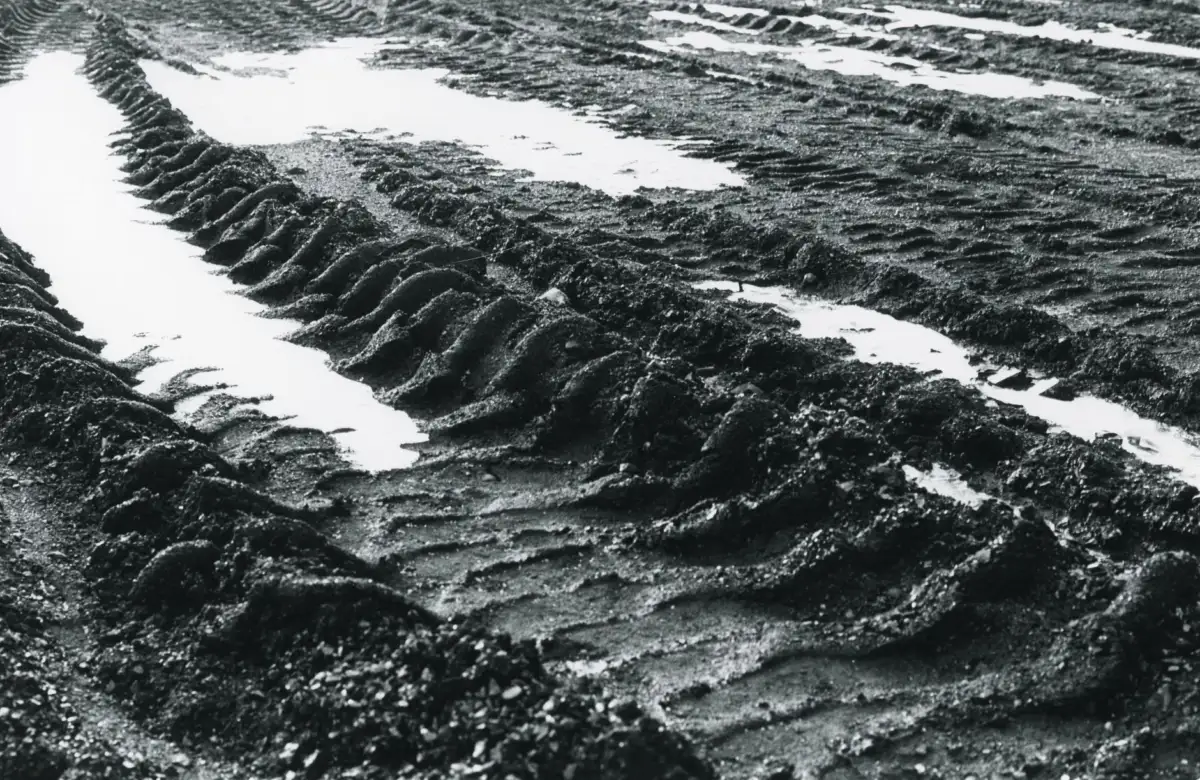
Radials cost more but put a longer footprint on the ground. The University of Kentucky Extension says radials give better fuel efficiency than bias-ply, but they need more careful pressure management. Bias-ply tires cost less and have tougher sidewalls, which suits rough ground and tractors with few hours.
Whichever you choose, keep both rears the same construction and size. Radial or bias is the oldest argument at the farm store counter. Pick a side, then buy a pair. (We stay neutral. We have a rim to protect.)
Set rear tire pressure and ballast before you blame the tread
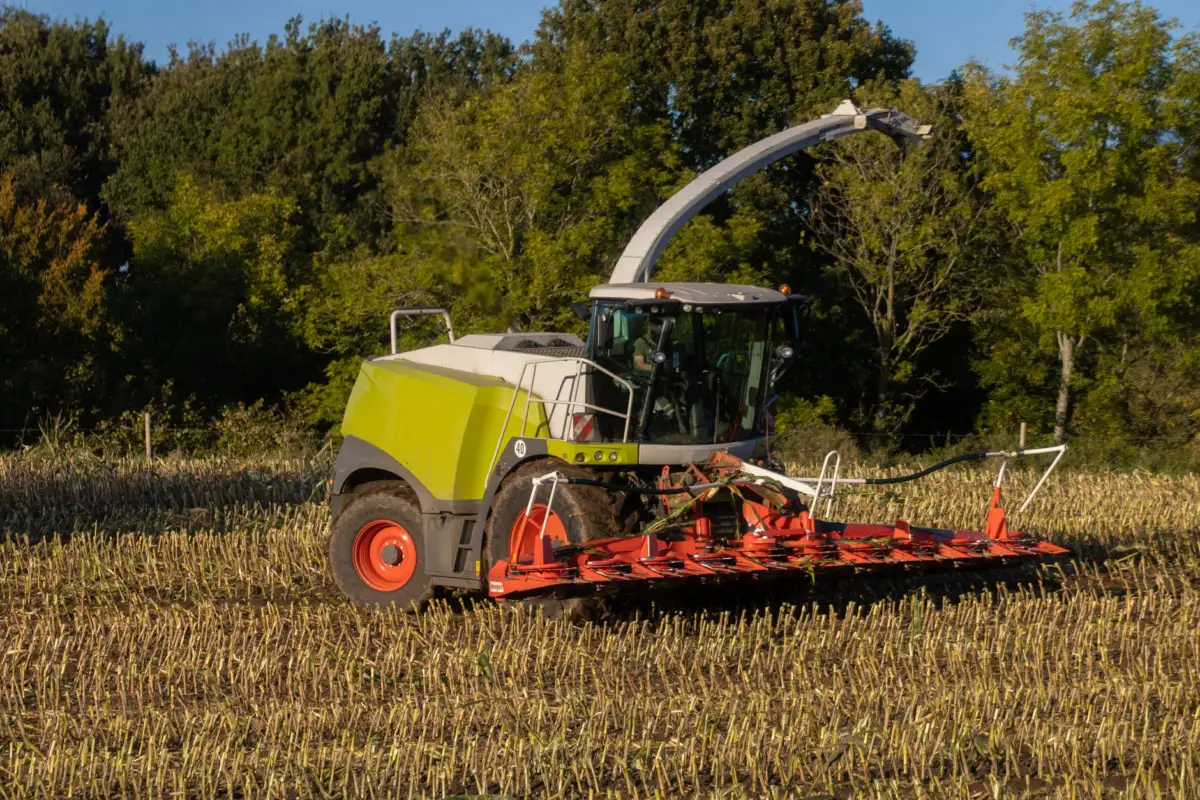
We need to have a pressurized conversation. Our opinion: most traction problems are pressure problems first. The Kentucky guide tells owners to run the lowest pressure the maker’s load table allows. Its worked example is a 200 HP MFWD tractor on rear duals, carrying 4,200 lbs (1,905 kg) per tire. That tire needs only 9 psi (0.62 bar) at minimum. Check your own number before you add air.
Then check slip. The same guide gives a target wheel slip of about 10% for MFWD and 4WD tractors, and 13-15% for 2WD. For mounted implements on MFWD tractors it suggests a split of 40% of the weight on the front and 60% on the rear. Ignoring the maker’s recommendations can void the tire warranty, so read the load table first. Our tractor tire pressure guide shows the method, step by step.
When you don’t need new rear tractor tires
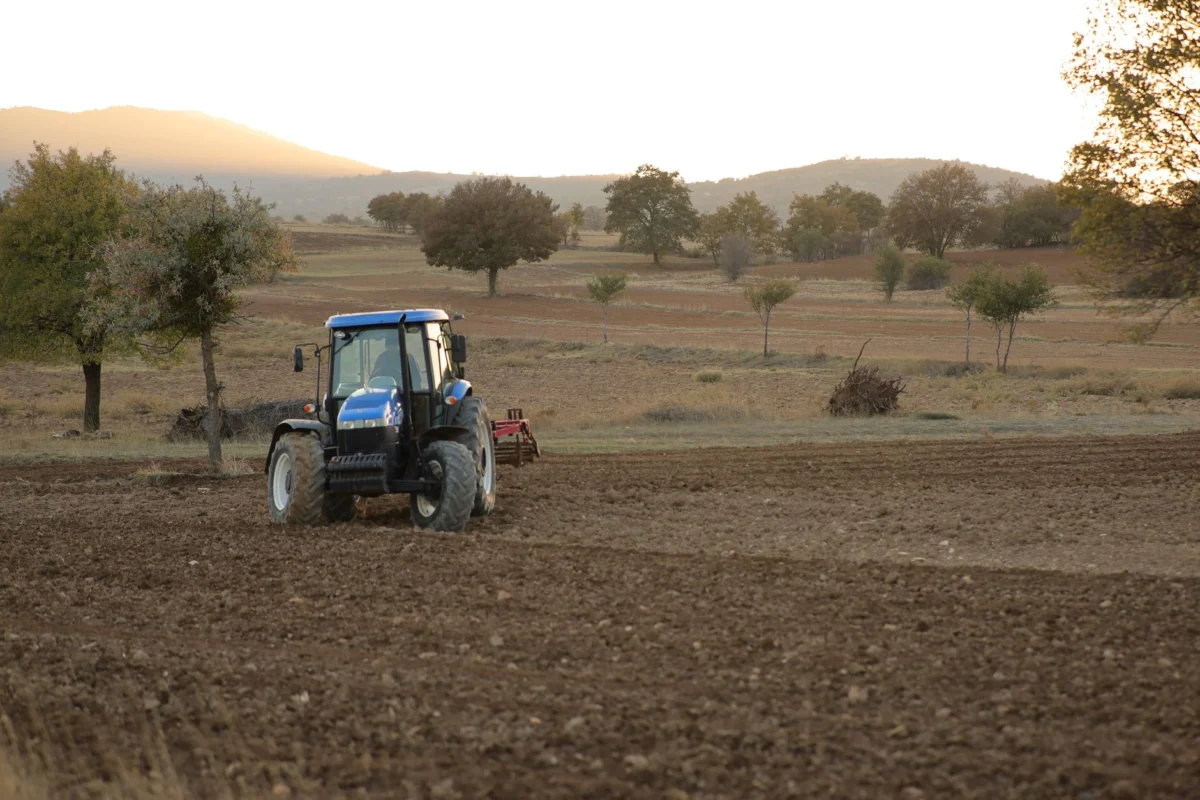
Honest answer: plenty of rear tires get replaced too early. Skip the quote if the lugs are deep and even, the sidewalls have no cracks or bulges, and the tire holds air. A low tire needs a gauge, not a purchase. A simple puncture needs a local repair.
Uneven wear is a clue, not a sentence. Check pressure and ballast first. Age counts too: the Purdue Extension tire guide suggests considering replacement once a tire is about 8 years old.
Ready to match a size? Browse the tractor tires page, or check any size in the tire size index.
More tractor tire guides from us:
- How to Measure Tractor Tire Size: Width, Diameter and Circumference
- R14 Tractor Tires: Hybrid Tread, Sizes and R4 vs R14
- R1 Tractor Tires: What They Are and Where They Work
- Garden Tractor Tires: Sizes, Tread and How to Choose
- Lawn Tractor Tires: Sizes, Tread and How to Choose
- R4 Tractor Tires: What They Are and When to Use Them
- Firestone Tractor Tire Size Chart: Every Size by Model
- Farm Equipment Tires: Which Type Fits Which Machine
- Goodyear Tractor Tires: Who Makes Them and What Changed
- Titan Tires: Who Owns Titan, Where It Makes Them and Are They Good
- Front Tractor Tires: Which Tread, Size and Pair to Buy
- Who Makes BKT Tires? Owner, Factories and Where They're Made
- Big Tractor Tires: How Big They Get, What They Fit and Cost
- How Much Does a Tractor Tire Cost? Real Prices by Size
- IF vs VF Tires: What They Mean and When to Choose Them
- Tractor Tire Pressure: How to Set It for Load and Speed
- How to Inspect Used Tractor Tires Before You Buy
- R1 vs R1W Tractor Tires: What Is the Difference?
- Radial vs. Bias-Ply Tractor Tires: Which Should You Choose?
- Tractor Tire Size Guide: How to Read Every Number on the Sidewall
- Tractor Tire Types Explained: R1 vs R2 vs R3 vs R4
If your tractor is MFWD, replace both rears together so the diameters match the fronts. Ready to price a pair? Send us your rear size on WhatsApp. We’ll find the tire. We’ll probably make a pulling joke. It’s free, and it never gets stuck.
Questions
What are rear tractor tires called?
They are called rear tires, drive tires or tractor rear tires. They sit on the back axle and put the engine's power on the ground. Most use R-1 or R-1W lug treads for farm work.
Why are rear tractor tires bigger than the fronts?
A larger footprint gives more traction and spreads the tractor's weight. The smaller fronts steer with less effort and less soil disturbance. On an MFWD tractor the two sizes must still keep the maker's rolling-circumference ratio.
What size are rear tractor tires?
Common bias sizes include 11.2-24, 14.9-28, 16.9-38, 18.4-34 and 20.8-38. Common radial sizes include 380/85R24, 460/85R30, 520/85R38 and 710/70R42. Read the size on the tire you are replacing, then check your manual.
Which tread is best for rear tractor tires?
R-1 suits general farm work on most soils. R-1W has lugs at least 20% deeper, which helps in wet or heavy soil and on tractors with many field hours. R-3 is for turf and R-4 is for loader and yard work.
Should I replace rear tractor tires in pairs?
Yes, in most cases. A new tire next to a worn one has a different diameter. On an MFWD tractor that shifts the front-to-rear ratio and strains the drivetrain, so replace both rears together.
What pressure should rear tractor tires run?
Run the lowest pressure the maker's load table allows for your load. The University of Kentucky guide shows a 4,200 lb (1,905 kg) tire needing only 9 psi (0.62 bar) at minimum. Read your own table, not a rule of thumb.
Can I fit bigger rear tractor tires?
Only if the overall diameter, clearance and front-to-rear ratio stay within the maker's range. On an MFWD tractor a bigger rear changes the lead, so check the manual or a lead-lag calculator first.
Are radial rear tractor tires worth it?
Radials give better fuel efficiency and a longer footprint, but they cost more and need more careful pressure management. They pay off on tractors with many field hours. Bias-ply suits low-hour tractors and rough ground.
How much do rear tractor tires cost?
In our catalog a bias 18.4-38 rear lists from $738 to $1,454 per tire, and a 520/85R38 radial rear from $1,788 to $2,420. Compact 12.4-24 rears start around $235. Size, construction and brand set the price; see the cost guide for the full table.
What is the difference between R-1 and R-1W rear tires?
R-1W lugs are at least 20% deeper than R-1. That gives more grip in wet or heavy soil and more tread life on tractors with many field hours, at a higher price. For dry, general field work an R-1 is usually enough.