
Tire Types & Tread Patterns
Farm Equipment Tires: Which Type Fits Which Machine
Farm equipment tires fall into a few families: R-1 lugs for tractor drive wheels, F-2 ribs for front axles, I-1 ribs for implements and wagons, flotation tires for sprayers and carts, and R-3 or R-4 for turf and loader work. Match the family to the machine, then the size to the load.
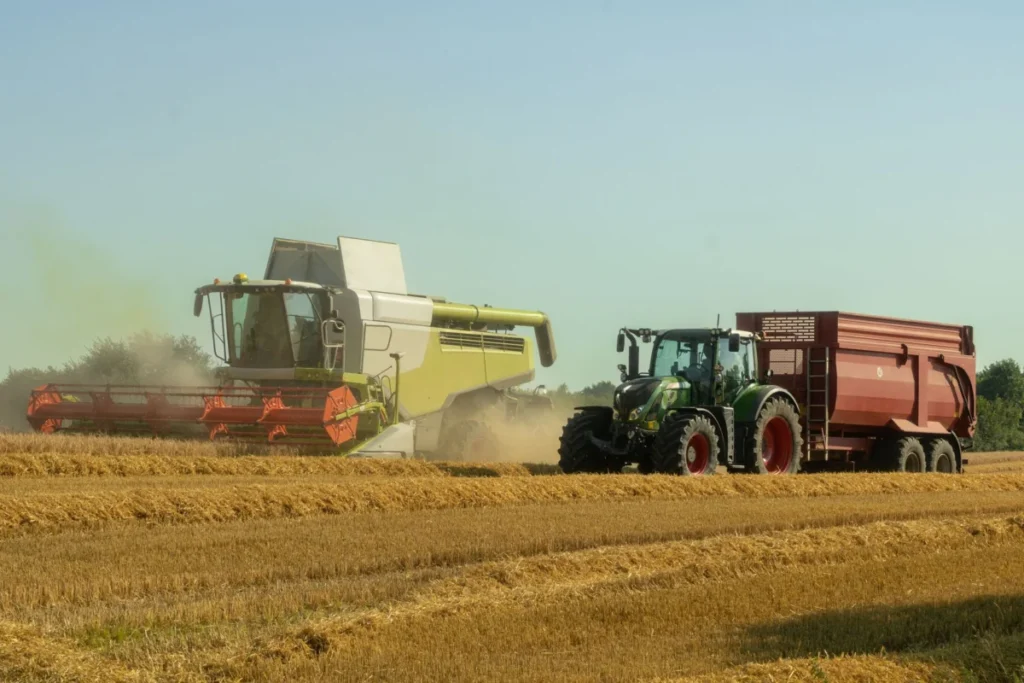
Farm equipment tires are not one product. They are a whole family, and every machine on the farm wants a different relative. Put the wrong cousin on the wagon and you will hear about it at the next reunion. (Tires hold grudges. Mostly in the sidewalls.)
Farm equipment tires fall into a few families: R-1 lugs for tractor drive wheels, F-2 ribs for front axles, I-1 ribs for implements and wagons, flotation tires for sprayers and carts, and R-3 or R-4 for turf and loader work. Match the family to the machine, then match the size to the load. Let’s tread through them one at a time.
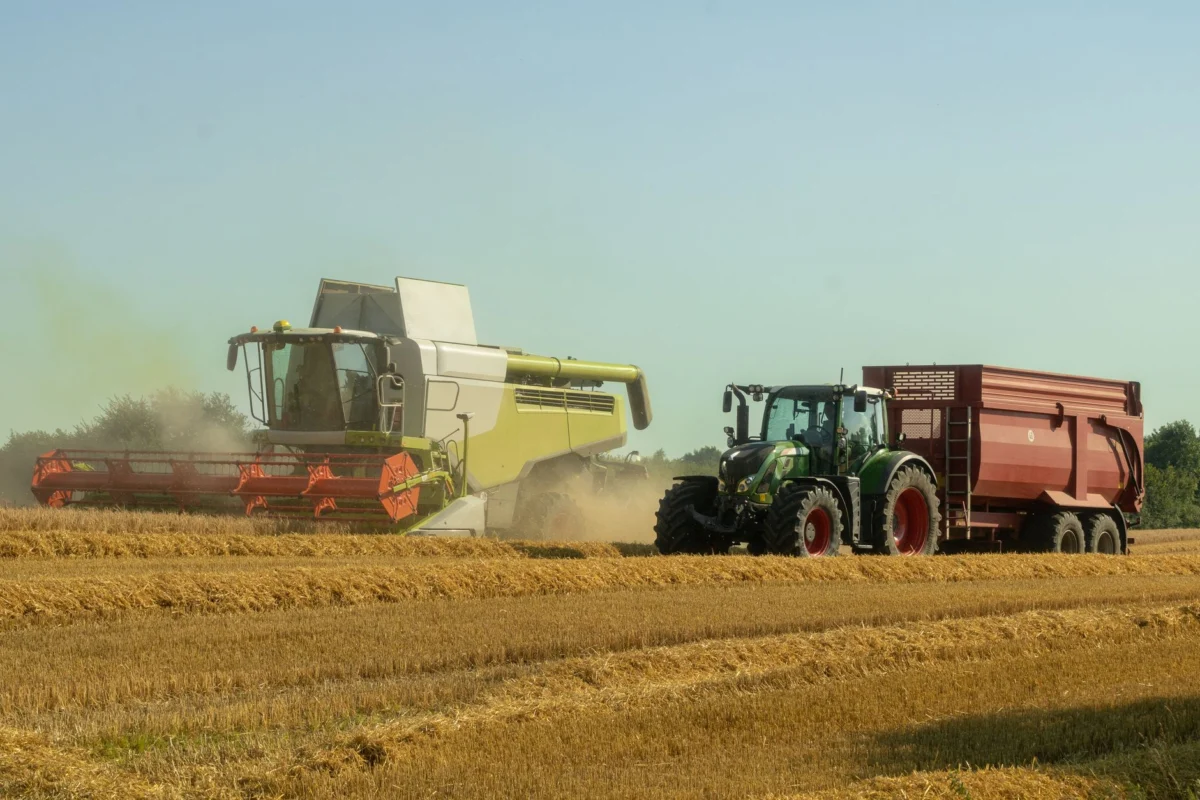
Farm equipment tires come in families, and each machine has its own
The Purdue Extension tire guide says it plainly: no single tire fits all applications, because each design targets a different job. Manufacturers sort their lines the same way. Carlstar splits its farm range by ground and work: R-1 with a self-cleaning design for mud, field and snow, R-3 for turf preservation, and R-4 for wear resistance on gravel and concrete (see our R4 tractor tires guide).
Here is the short map, with sizes we list for each job:
| Machine | Tire family | Code | Sizes we list |
|---|---|---|---|
| Tractor rear (drive) | Bar lugs | R-1, R-1W | 18.4-38, 520/85R38 |
| Tractor front | Ribs, three rows | F-2 | 6.00-16, 10.00-16 |
| Wagons, planters, balers | Straight ribs | I-1 | 11L-15, 16.5L-16.1, 21.5L-16.1 |
| Sprayers, grain carts | Flotation | Flotation | 560/60R22.5, 710/50R26.5 |
| Loaders, skid steers | Industrial | Loader tread | 10-16.5, 12-16.5, 14-17.5 |
| Mowers, lawn tractors | Turf | R-3 | 20×8.00-10, 23×8.50-12 |
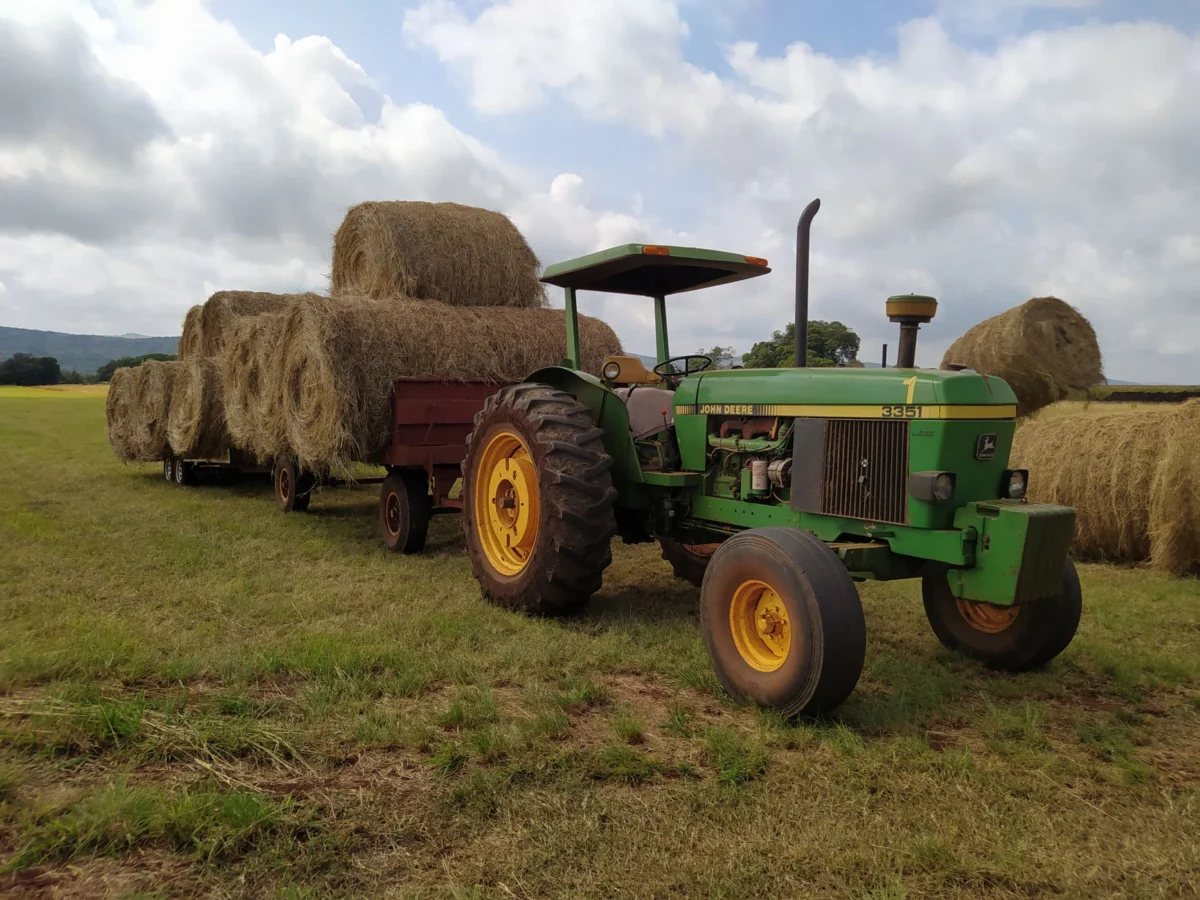
Tractor tires: lugs on the rear, ribs on the front
Tractors wear two kinds. Rear drive tires use R-1 lugs, or deeper R-1W, to turn power into pull. Front tires use ribs that steer instead of dig. Compact tractors use the same codes in smaller sizes, such as 11.2-24 (284 mm wide) at the rear. Our tractor tire types guide explains R-1 to R-4 in full, and our rear and front tractor tire guides cover each axle.
Starmaxx adds the construction angle. Radials give better grip and less soil damage on large tractors. Bias-ply tires cost less and resist punctures, which suits sprayers and tillage tools. Either way, tread pattern, load capacity and inflation decide how the tire performs.
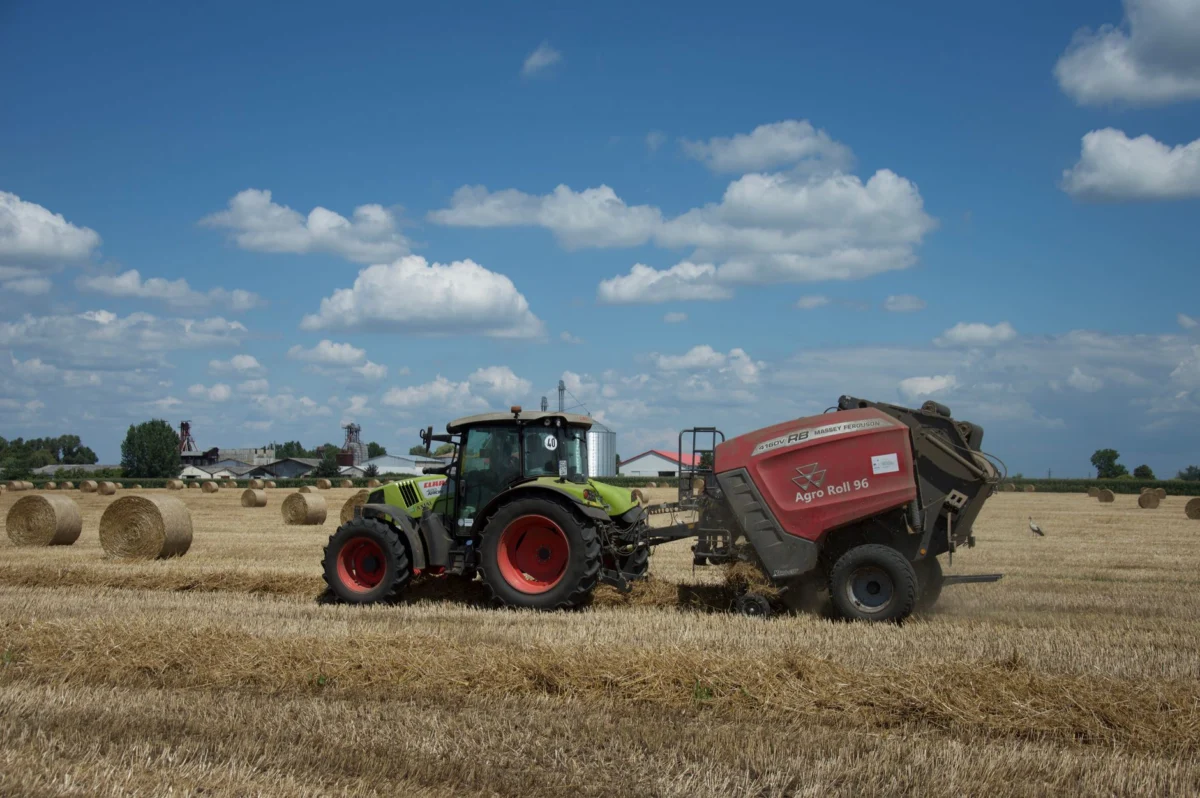
Implement and wagon tires carry the load, not the pulling
Balers, planters, drills and wagons ride on implement tires. They do not drive, so they use straight ribs (I-1) instead of lugs. The ribs roll easily and carry weight. Implement tires don’t do the pulling. They just roll with it.
Starmaxx says implement tire performance comes down to load distribution, ground traction and equipment compatibility. Sizes we list include 9.5L-14, 11L-15, 12.5L-15, 16.5L-16.1 and 21.5L-16.1. In 11L-15, the 11 is the width in inches (279 mm) and the 15 is the rim diameter in inches (381 mm). See every size on our implement tires page.
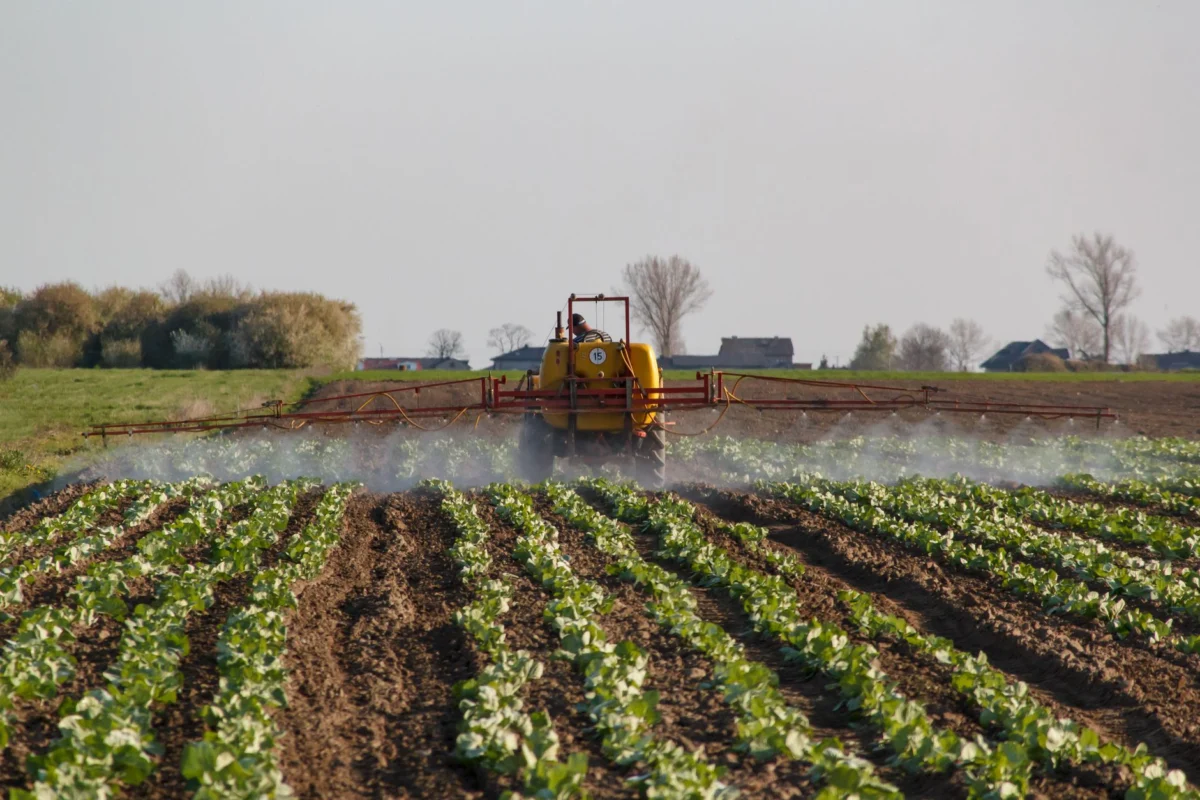
Sprayers and grain carts need flotation, not lugs
Heavy, wide machines that cross soft ground need a wide footprint. That is flotation. A flotation tire spreads the load over more soil, so the machine rides on top instead of digging in. Some tires just know how to stay on top of things.
Flotation sizes we list include 560/60R22.5 (22.0 in wide), 600/50R22.5, 650/55R26.5 and 710/50R26.5 (28.0 in wide), plus smaller sizes such as 12.5/80-15.3 and 19.0/45-17. They are made to carry load across soft ground, not to pull a plow, so do not swap them onto a drive axle. Browse them on our flotation tires page.
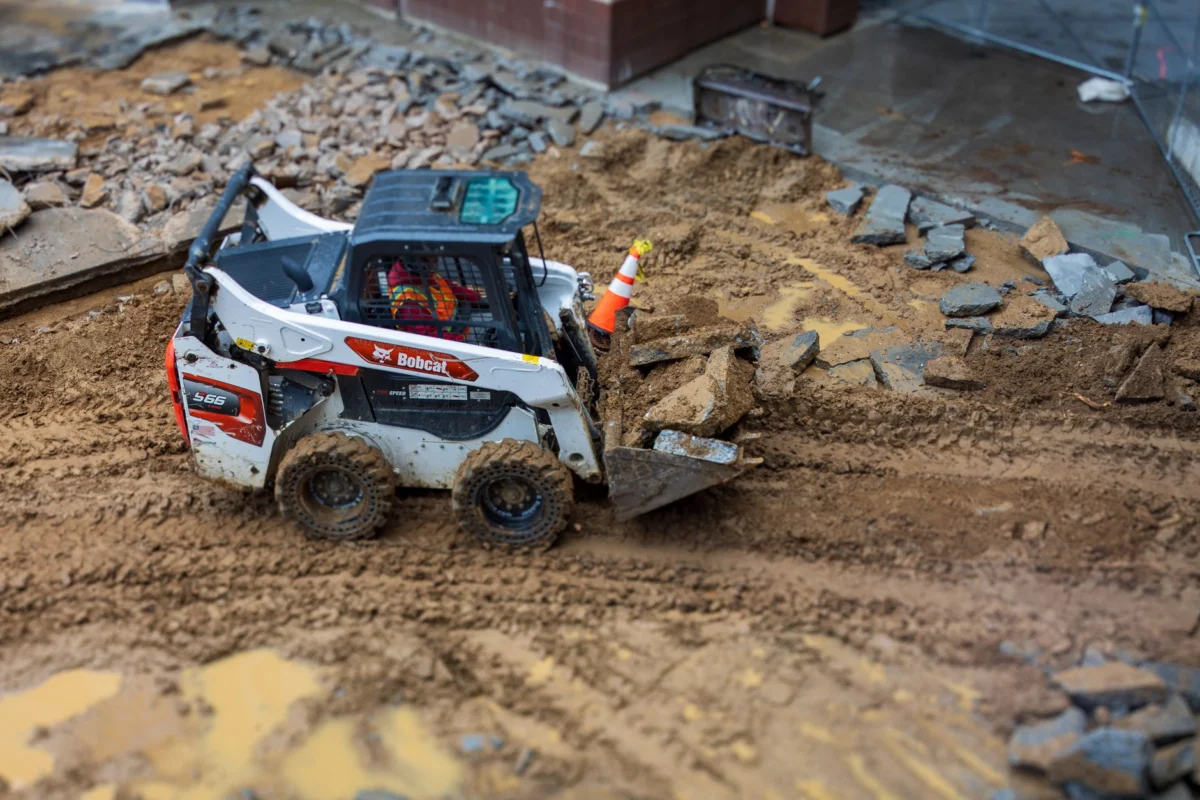
Loaders and skid steers want a tougher tread
Loader work is hard on rubber: hard ground, tight turns, rocks and concrete. Carlstar says its R-4 pattern is built for wear resistance on gravel and concrete. Skid steer sizes we list include 10-16.5, 12-16.5, 14-17.5 and 15-19.5. A 12-16.5 is 12 in (305 mm) wide on a 16.5 in (419 mm) rim. Skid steers skid. The tire pays the bill.
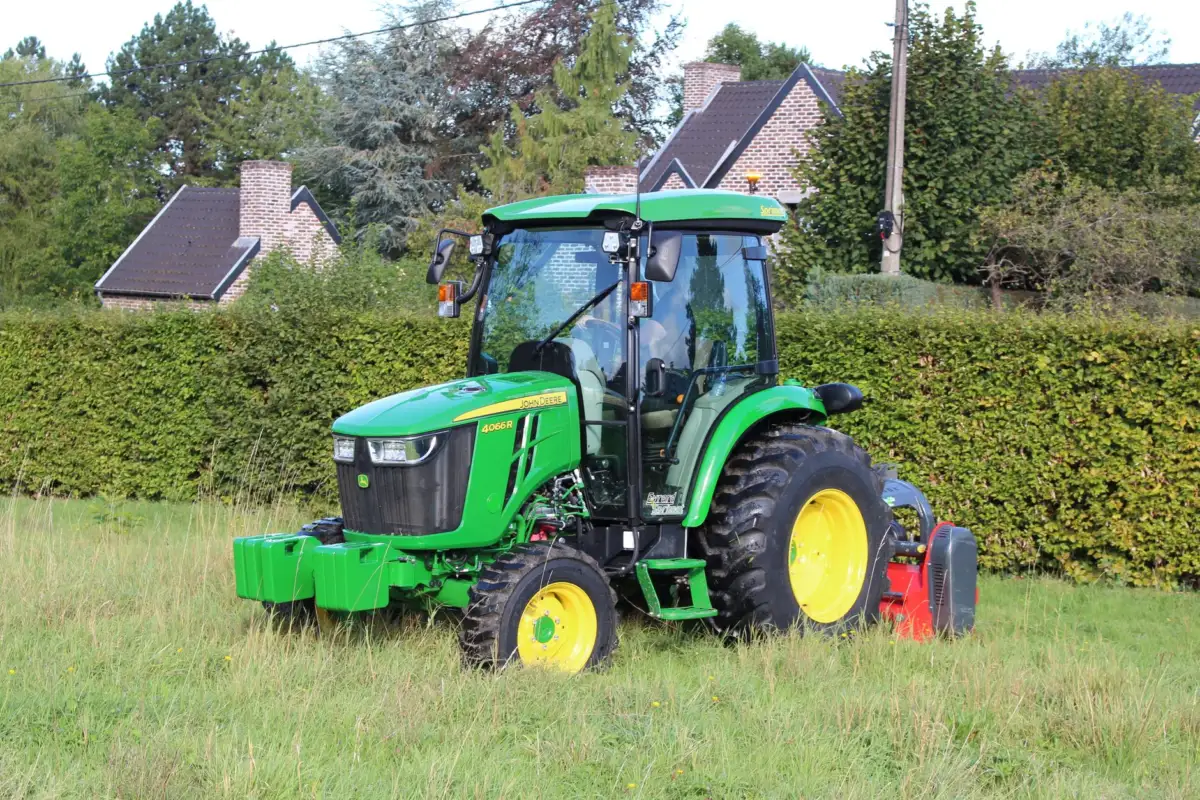
Lawn and turf tires should leave the lawn alone
Mowers and utility tractors that work grass use R-3 turf tires. Carlstar says its R-3 pattern is built to protect turf on lawn equipment and hillsides. Small turf sizes we list include 20×8.00-10 and 23×8.50-12. In 20×8.00-10, the tire is 20 in (508 mm) tall, 8.00 in (203 mm) wide and fits a 10 in (254 mm) rim. Put R-1 lugs on a lawn and you have a plowed field by Friday.
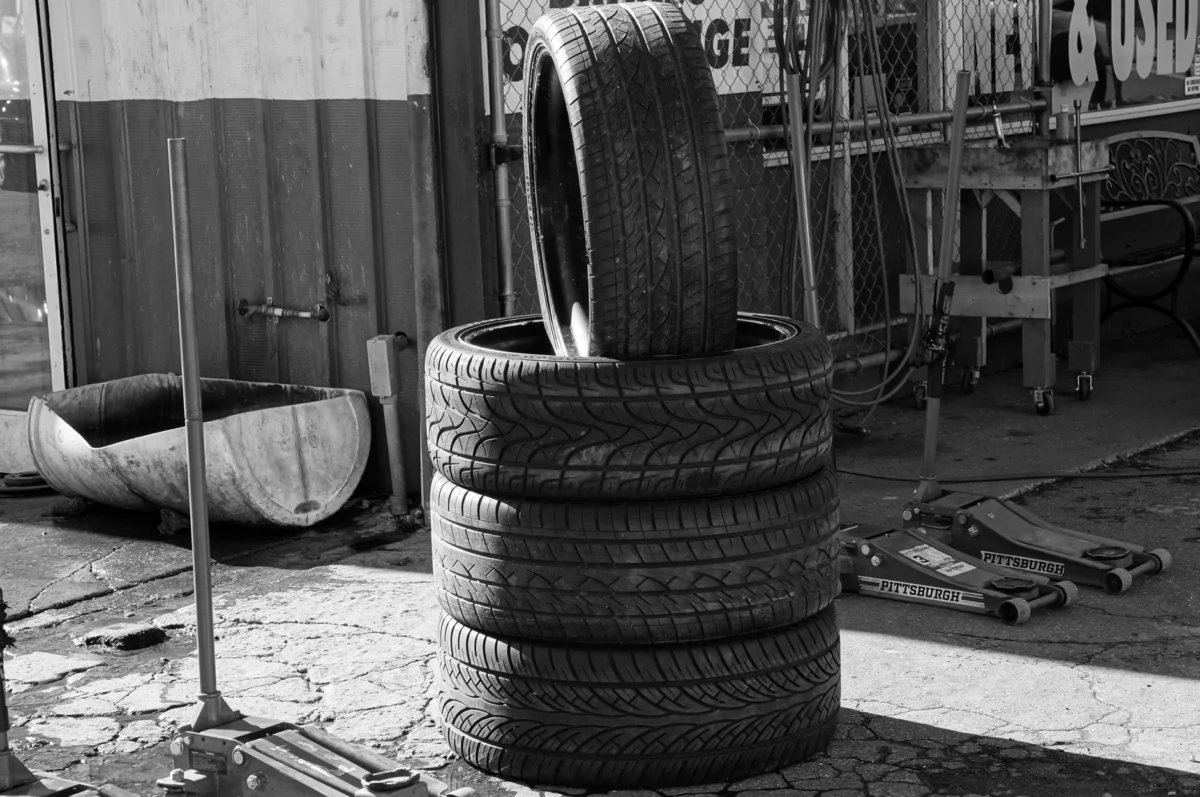
How to choose, and when you don’t need new farm equipment tires
Pick in this order: the machine, then the ground, then the load. The equipment maker specifies the size and weight rating, and Purdue says to work out the heaviest load the machine will carry and whether it spends more time on the road or in the field.
Honest answer: many tires need air, not replacing. Purdue says to check pressure monthly, and not to run the sidewall maximum unless the tire is fully loaded. Keep the tire if the tread is deep, the sidewalls are sound and it holds air. Age counts too, because Purdue suggests considering replacement at about 8 years. A simple puncture needs a local repair. Our tractor tire pressure guide shows how to set it.
More tractor tire guides from us:
- How to Measure Tractor Tire Size: Width, Diameter and Circumference
- R14 Tractor Tires: Hybrid Tread, Sizes and R4 vs R14
- R1 Tractor Tires: What They Are and Where They Work
- Garden Tractor Tires: Sizes, Tread and How to Choose
- Lawn Tractor Tires: Sizes, Tread and How to Choose
- R4 Tractor Tires: What They Are and When to Use Them
- Firestone Tractor Tire Size Chart: Every Size by Model
- Rear Tractor Tires: Sizes, Tread and How to Pick a Pair
- Goodyear Tractor Tires: Who Makes Them and What Changed
- Titan Tires: Who Owns Titan, Where It Makes Them and Are They Good
- Front Tractor Tires: Which Tread, Size and Pair to Buy
- Who Makes BKT Tires? Owner, Factories and Where They're Made
- Big Tractor Tires: How Big They Get, What They Fit and Cost
- How Much Does a Tractor Tire Cost? Real Prices by Size
- IF vs VF Tires: What They Mean and When to Choose Them
- Tractor Tire Pressure: How to Set It for Load and Speed
- How to Inspect Used Tractor Tires Before You Buy
- R1 vs R1W Tractor Tires: What Is the Difference?
- Radial vs. Bias-Ply Tractor Tires: Which Should You Choose?
- Tractor Tire Size Guide: How to Read Every Number on the Sidewall
- Tractor Tire Types Explained: R1 vs R2 vs R3 vs R4
Write down three things before you ask for a quote: the size on the sidewall, the machine model and the work it does most. Those three facts answer most fitment questions. Not sure what your machine wears? Send them to us on WhatsApp. We’ll find the tire. We’ll probably make a tread joke. The joke is free.
Questions
What tires do farm tractors use?
Rear drive tires use R-1 or R-1W bar lugs for pull. Front tires on 2WD tractors use ribs, often a three-rib F-2 pattern, for steering. The right size and code are printed on the sidewall of the tire you are replacing.
What does I-1 mean on a farm tire?
I-1 is an implement tire code. The tire has straight ribs and is built to carry load and roll easily on balers, planters, drills and wagons. It is not made to drive a machine through soil.
What tires go on a grain cart or sprayer?
Flotation tires. A wide footprint spreads the weight over more soil, so a heavy machine rides on top of soft ground. Sizes we list include 560/60R22.5 and 710/50R26.5. Check your machine manual for the approved size.
Can I use car or truck tires on farm equipment?
Purdue Extension says passenger tires suit lighter loads and perform poorly off-road, and trailer tires are built for lateral stress, not maneuverability. Use the tire type and size the equipment maker specifies.
Are radial or bias tires better for farm equipment?
Radials give better grip and less soil damage, which suits large tractors. Bias-ply tires cost less and resist punctures, which suits sprayers and tillage tools. The right choice depends on the machine and the hours it runs.
How often should I check farm tire pressure?
Check pressure monthly. Purdue Extension says not to run the sidewall maximum unless the tire is fully loaded. Use the maker's load table for your actual weight.
How do I find the right tire size for my equipment?
Read the size on the sidewall of the tire you are replacing, then check the equipment manual. The maker specifies the size and weight rating. If the sidewall is worn, send us the machine model and a photo.
How old is too old for a farm tire?
Purdue Extension suggests considering replacement at about 8 years. Look at the sidewalls for cracks and bulges too, because a tire with deep tread can still be old and cracked.
How much do farm equipment tires cost?
It depends on the family. In our catalog an 11L-15 implement tire lists at about $153 to $160, a 12-16.5 skid steer tire at $255 to $478, a 12.4-24 compact rear at $235 to $647, and a 600/50R22.5 flotation tire at $1,230 to $1,390. Prices are per tire and change with stock.
What is the difference between I-1 and F-2 tires?
F-2 is a three-rib tractor front tire built to steer. I-1 is a straight-rib implement tire built to roll and carry load on wagons, planters and balers. Both use ribs, but F-2 is made for a steering axle and I-1 for a non-driven implement axle.