
Tire Types & Tread Patterns
R2 Tractor Tires: What R-2 Rice and Cane Tread Is For
R2 tractor tires carry the R-2 rice and cane tread: bar lugs at least twice as deep as R-1, built for flooded paddies and muddy cane fields. They dig deep in standing water and soft soil, but wear fast on roads and dry ground. Most farms need R-1 or R-1W instead.
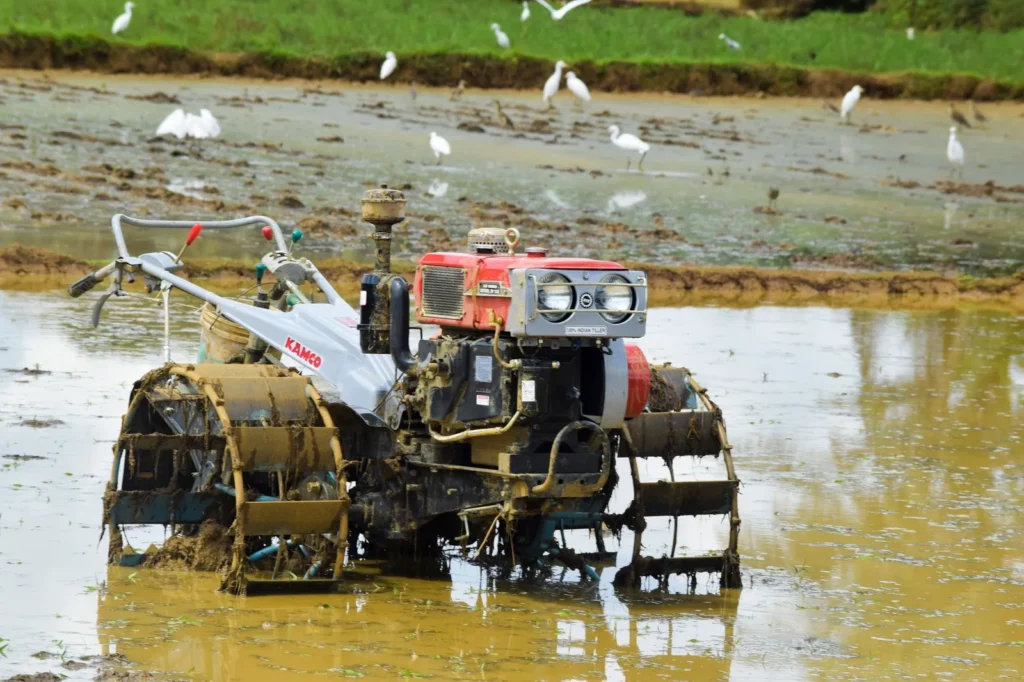
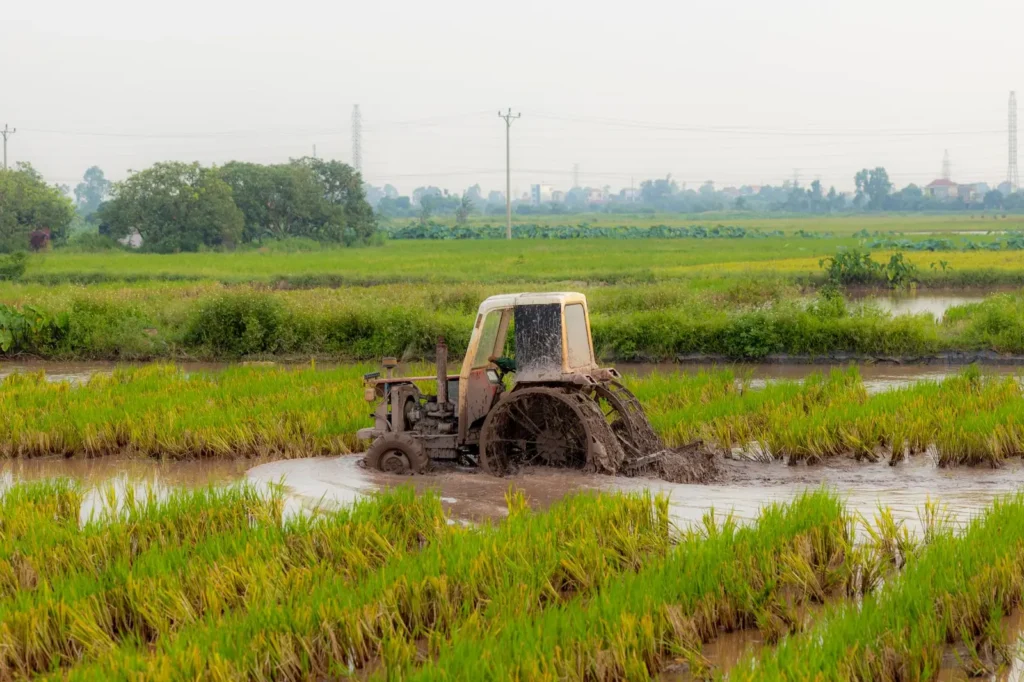
R2 tractor tires are what you buy when your field stops being a field and starts being a pond. If your tractor works a rice paddy or a cane field, the R-2 tread is the one built for it. (If it works dry cornfields, keep reading anyway. You will feel better about your R-1.)
Here is the short answer. R-2 is the rice and cane tread code. It is a bar-lug tire with lugs at least twice as deep as an R-1, made for standing water and soft, muddy ground. On roads and dry soil it wears fast. We read Yokohama OHT, Maxam and a Rice Farming report on a new R-2 radial, and we kept what they agree on.
What does R-2 mean on a tractor tire, and why rice and cane?
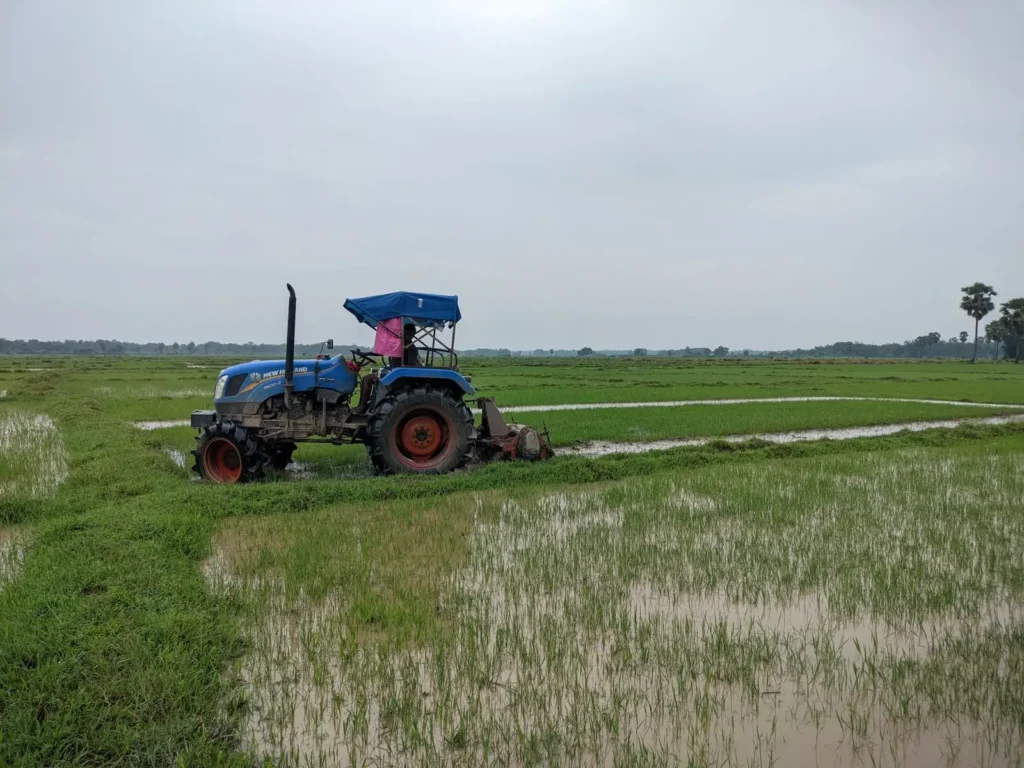
R-2 is one of the tread codes molded into the sidewall next to the size. The pattern is a bar lug, like R-1 and R-1W, only much deeper. Yokohama OHT puts it at “at least double the tread depth of an R-1 tire.” Our tractor tire types guide shows where R-2 sits among all the codes.
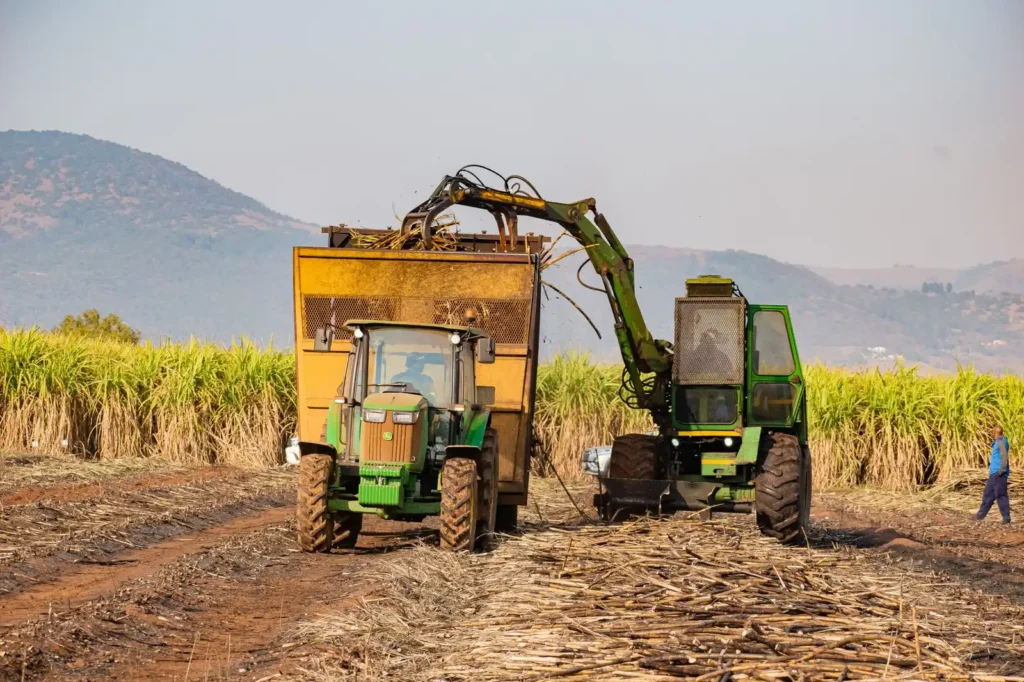
The nickname comes from the jobs. Yokohama OHT names muddy sugar cane fields and the standing water in rice paddies. Maxam adds vegetables in heavily irrigated soils. These crops grow where the ground is least interested in holding up a tractor. (Searching for rice and cane ATV tires? Different product. This page is about tractors.)
Where do R-2 tires work best?
In water and in mud, and not much anywhere else. Farm Progress says rice and cane farmers working wet soils are the most likely to see this tread. Maxam says R-2 is for “extremely muddy or heavy traction soil conditions.”
The Rice Farming report covers the Alliance Agri Star 374, an R-2 radial for muddy rice and sugar cane fields. It lists six popular sizes: 480/80R46, 480/70R34, 420/90R30, 520/85R42, 520/85R46 and 480/80R50. That is 420 to 520 mm (16.5 to 20.5 in) wide, on 30 to 50 in (762 to 1,270 mm) rims. Big wheels, tall lugs, wet feet.
How deep is R-2 tread compared with R-1 and R-1W?
Deeper than both, by a wide margin. The table uses the depth rules from the sources above. Makers quote slightly different numbers, so check the data sheet for your tire.
| Tread | Lug depth | Best ground | On the road |
|---|---|---|---|
| R-1 | Baseline | Normal field soil | Fine |
| R-1W | About 20% deeper than R-1 | Heavy, wet, muddy soil | Acceptable |
| R-2 | At least 2x R-1 | Standing water, rice, cane | Poor |
The Agri Star 374 has tread bars more than 3 in (76 mm) deep. Deep lugs are the tire version of wading boots. Our guides on R1 vs R1W and R1 tractor tires cover the other two rows.
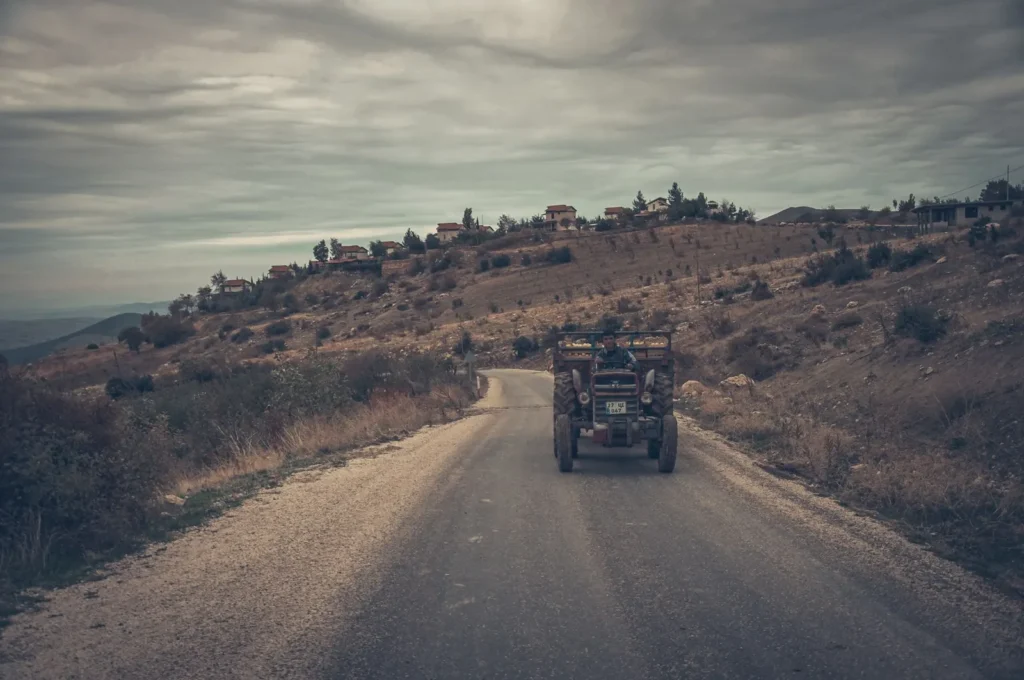
Why do R-2 tires wear fast on the road?
Tall lugs flex. Maxam says R-2 tires “do not do well when driven on the road” because the lugs bend easily and can wear unevenly. Tread carefully on asphalt.
The Rice Farming report says the same about the old design. A conventional high-crowned R-2 digs deep ruts in soil and wears fast in the center on pavement. The Agri Star 374 answers with a flat tread profile, a wide lug nose and two step reinforcements that limit lug movement and heat. It is also a radial, which fits the usual trade-offs in our radial vs bias guide.
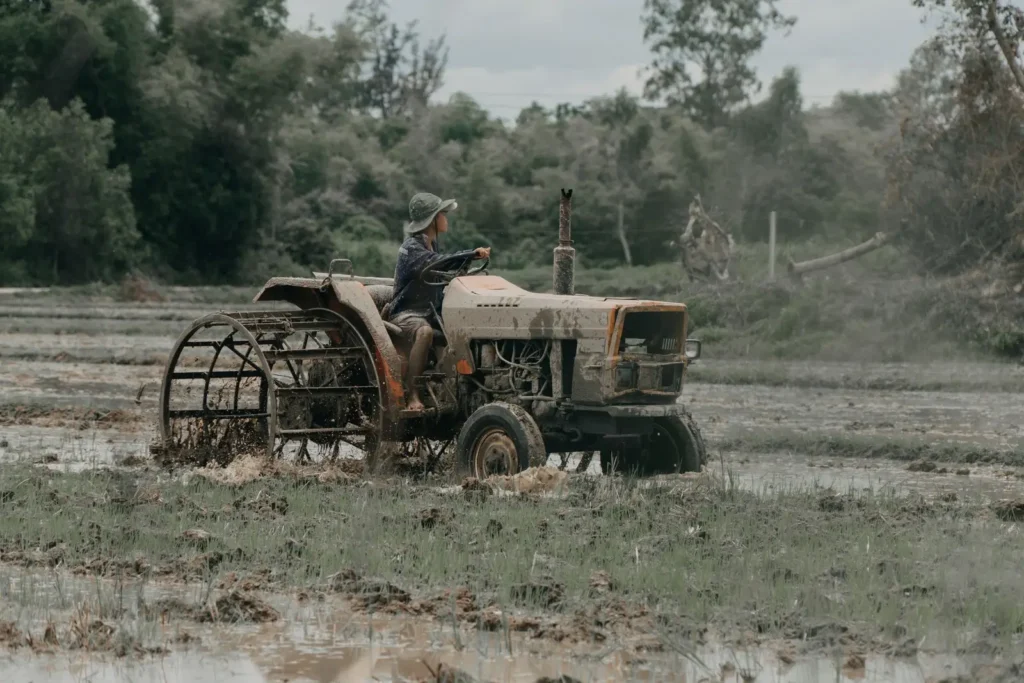
Should you choose R-2 or R-1W for wet ground?
Try R-1W first. Wet is not the same as flooded. Maxam notes that R-1W is sometimes used where the soil is wet but not muddy.
Our opinion: a deeper lug is only worth it if the ground is wet enough to need it, because you pay for it on every road trip. R-1W is about 20% deeper than R-1. R-2 is at least 100% deeper. That gap is for standing water, not for a rainy April.
Rule of thumb: ground that stays saturated most of the season points to R-2. Ground that is wet in spring and firm by summer points to R-1W. Not sure which you have? Try our tread type picker. For soft-ground floating without deep lugs, see flotation tires.
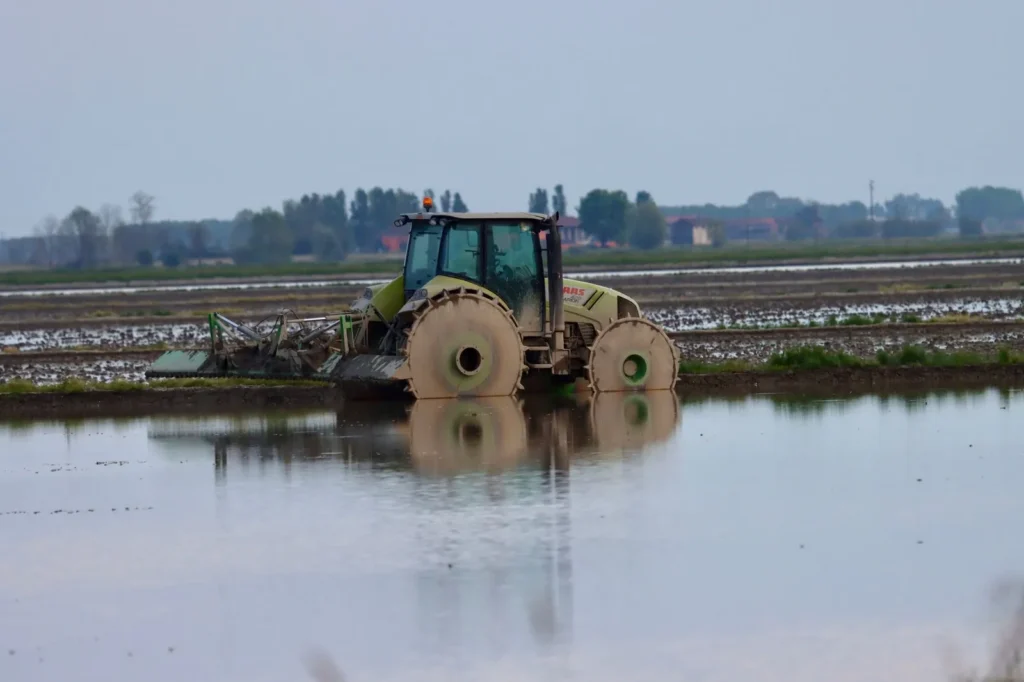
When don’t you need R-2 tires?
Most of the time. We would rather say so now than after the quote.
- Your soil is normal farm ground. R-1 does the job.
- Your ground is wet but not flooded. Start with R-1W.
- Your tractor spends most of its hours on roads. R-2 lugs will wear fast.
- Your current tires still have lug depth. Keep running them.
Honest answer on our catalog: we list no tire coded R-2. We do list R-1 and R-1W tires, which you can browse on our agricultural tires page. If you need R-2, send us the size and the field conditions and we will tell you whether we can source it. Start a quote any time.
More tractor tire guides from us:
- DOT Tractor Tires: How to Read the Date Code and Tire Age
- Snow Tires for Tractors: Do You Need Them or Chains?
- 23×8.50-12 Tires: Size, Rim Width, Ply and What They Fit
- Firestone Tractor Tires: Who Makes Them and Which Line Fits
- R3 Tires: What They Are, Where They Work and When They Don't
- Trelleborg Tires: Who Owns Them, What They Make and Sizes We List
- 10-16.5 Tractor Tire: Size, Ply Ratings and What It Fits
- Tires for Compact Tractors: R1, R3 or R4 Tread?
- How to Measure Tractor Tire Size: Width, Diameter and Circumference
- R14 Tractor Tires: Hybrid Tread, Sizes and R4 vs R14
- R1 Tractor Tires: What They Are and Where They Work
- Garden Tractor Tires: Sizes, Tread and How to Choose
- Lawn Tractor Tires: Sizes, Tread and How to Choose
- R4 Tractor Tires: What They Are and When to Use Them
- Firestone Tractor Tire Size Chart: Every Size by Model
- Farm Equipment Tires: Which Type Fits Which Machine
- Rear Tractor Tires: Sizes, Tread and How to Pick a Pair
- Goodyear Tractor Tires: Who Makes Them and What Changed
- Titan Tires: Who Owns Titan, Where It Makes Them and Are They Good
- Front Tractor Tires: Which Tread, Size and Pair to Buy
- Who Makes BKT Tires? Owner, Factories and Where They're Made
- Big Tractor Tires: How Big They Get, What They Fit and Cost
- How Much Does a Tractor Tire Cost? Real Prices by Size
- IF vs VF Tires: What They Mean and When to Choose Them
- Tractor Tire Pressure: How to Set It for Load and Speed
- How to Inspect Used Tractor Tires Before You Buy
- R1 vs R1W Tractor Tires: What Is the Difference?
- Radial vs. Bias-Ply Tractor Tires: Which Should You Choose?
- Tractor Tire Size Guide: How to Read Every Number on the Sidewall
- Tractor Tire Types Explained: R1 vs R2 vs R3 vs R4
Send us your size and a photo of the sidewall on WhatsApp. We’ll find the tire. We’ll probably make a tread joke too. The joke is free, and it floats.
Questions
What is an R2 tractor tire?
An R2 tractor tire carries the R-2 rice and cane tread. It is a bar-lug tire with lugs at least twice as deep as an R-1, made for standing water and soft, muddy ground.
What does R-2 mean on a tractor tire?
R-2 is a tread code molded into the sidewall next to the size. It marks the rice and cane tread, the deepest of the standard farm lug patterns.
What are rice and cane tires?
Rice and cane tires is the common name for R-2 tractor tires. The name comes from their jobs: flooded rice paddies and muddy sugar cane fields. Rice and cane ATV tires are a different, smaller product.
How deep is R-2 tread?
Yokohama OHT, Maxam and Farm Progress all put R-2 at about twice the depth of R-1 or more. The Alliance Agri Star 374 has bars more than 3 in (76 mm) deep. Check your tire data sheet for the exact figure.
Can you drive R-2 tires on the road?
You can, but they wear fast. Maxam says R-2 lugs bend easily and can wear unevenly on pavement. Newer radial R-2 designs add a flatter profile and reinforcements to help, but R-2 is still a field tire first.
R-2 vs R-1W: which is better for wet soil?
R-1W is the better start for soil that is wet but not flooded. Maxam says it is sometimes used instead of R-2 in those conditions. Choose R-2 for standing water or ground that stays saturated most of the season.
Are R-2 tires radial or bias?
Both exist. The Alliance Agri Star 374 is an R-2 radial. Rice Farming describes conventional high-crowned R-2 designs as digging deep ruts and wearing fast in the center on pavement.
Do you list R2 tractor tires?
We list no tire coded R-2 in our online catalog. We list R-1 and R-1W tires. Send us your size and field conditions and we will tell you whether we can source an R-2.