
Tire Types & Tread Patterns
Tires for Compact Tractors: R1, R3 or R4 Tread?
Tires for compact tractors come in three main treads. R-1 gives the most traction in soft soil, R-3 protects lawns and turf, and R-4 handles mixed work on hard and soft ground. R-4 is the most common choice, and R-14 is a hybrid of R-1 and R-4. Pick by the job you do most.
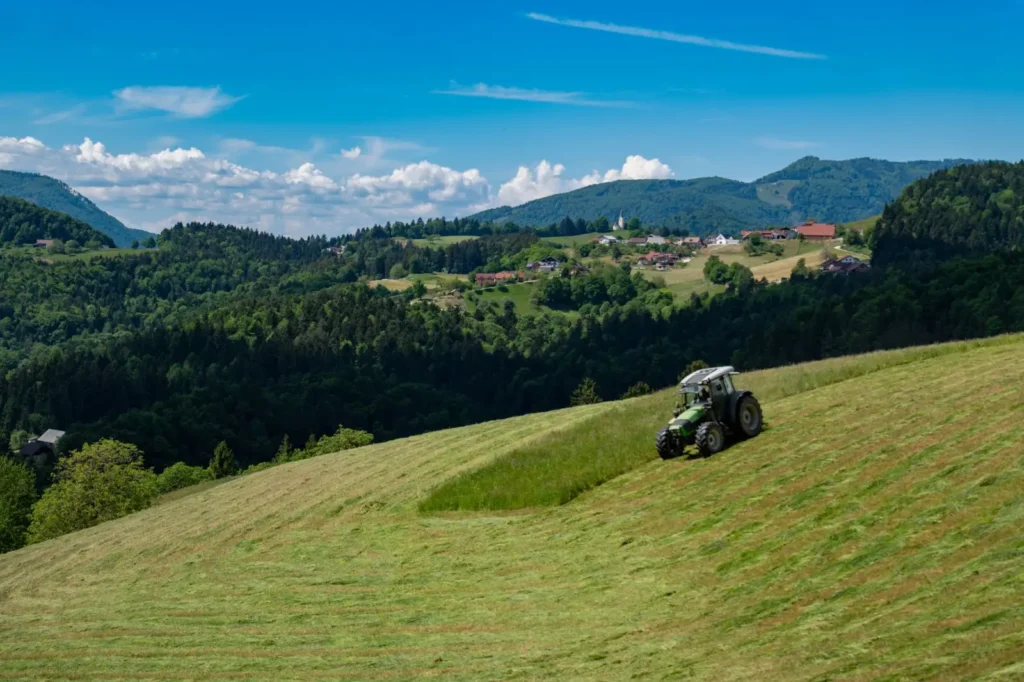
Tires for compact tractors come down to three tread letters and one honest question: what do you do most? Pick the wrong tread and your lawn files a complaint. (Lawns do not hold back.)
Here is the rule of thumb. R-1 for soft soil and heavy pulling, R-3 for lawns and turf, R-4 for a bit of everything. Yokohama OHT calls R-4 the most common tread on compact tractors. R-14 is a hybrid of R-1 and R-4. We read Yokohama OHT, Compact Equipment and LSU AgCenter to build the table below.
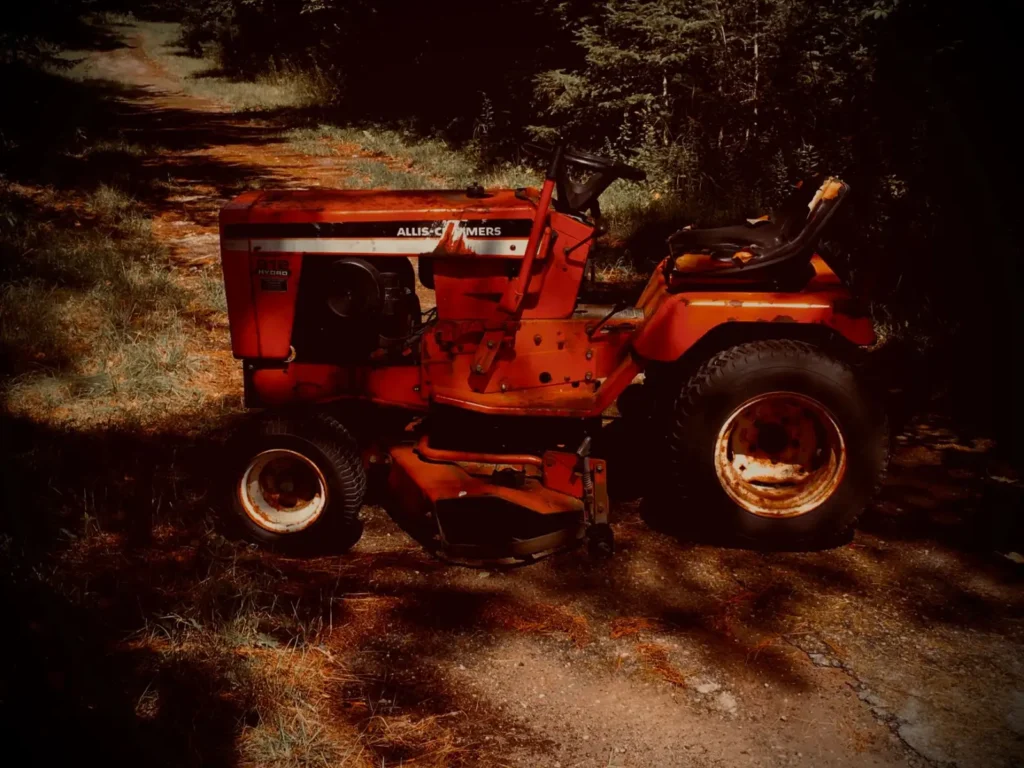
Which tread fits a compact tractor: R-1, R-3 or R-4?
Each code is a trade between grip and manners. The deeper the lug, the more traction you get and the more turf you lose.
| Tread | Best for | Strength | Watch out for |
|---|---|---|---|
| R-1 (farm lug) | Soft soil, mud, snow, tilling, towing | The most traction of the three | Ruts lawns and is a poor choice for mowing |
| R-3 (turf) | Lawns, mowing, landscaping | Wide footprint and a gentle ride on grass | Less grip in soft soil |
| R-4 (industrial) | Mixed work, loader work, hard and soft ground | Tough carcass, puncture resistance, long wear | Less grip than R-1 in mud and snow |
| R-14 (hybrid) | Light field work, turf and hard ground | Blends R-1 and R-4 traits | A compromise, and we list none |
R-4 is the middle child. It gets along with everyone and rarely wins the argument. Our R4 tractor tire guide, R1 tractor tire guide and R14 guide go deeper on each. Not sure what you have now? Read the lugs, or try our tread type picker.
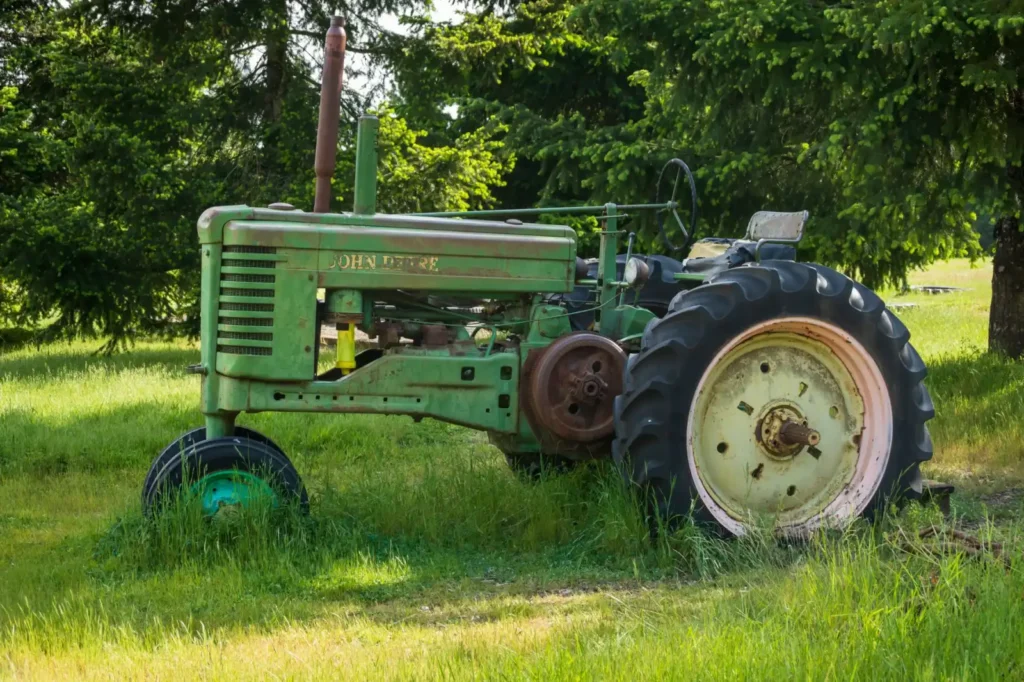
What goes on the front of a compact tractor?
The front follows the rear. LSU AgCenter says a tractor with front-wheel assist takes a smaller farm lug tire, or the same industrial tread as the rear when the rear is R-4. A two-wheel-drive tractor takes a multi-rib tread: F-2 for farm work, or an industrial multi-rib if the rear is R-4.
Turf tractors usually run turf tread up front, whatever the drive. Fronts steer, rears push. Keep them on speaking terms. Our front tractor tires guide covers the pairs in more detail.

Should compact tractor tires be bias or radial?
Most compact tractors run bias tires, says Compact Equipment. Radials are more common on larger tractors, where traction, fuel economy and road manners matter more. R-4 tires can come in ply ratings up to 18, which is a lot of carcass for a small machine.
We are not biased. Well, one of them is. Our radial vs bias guide shows where each one pays off.
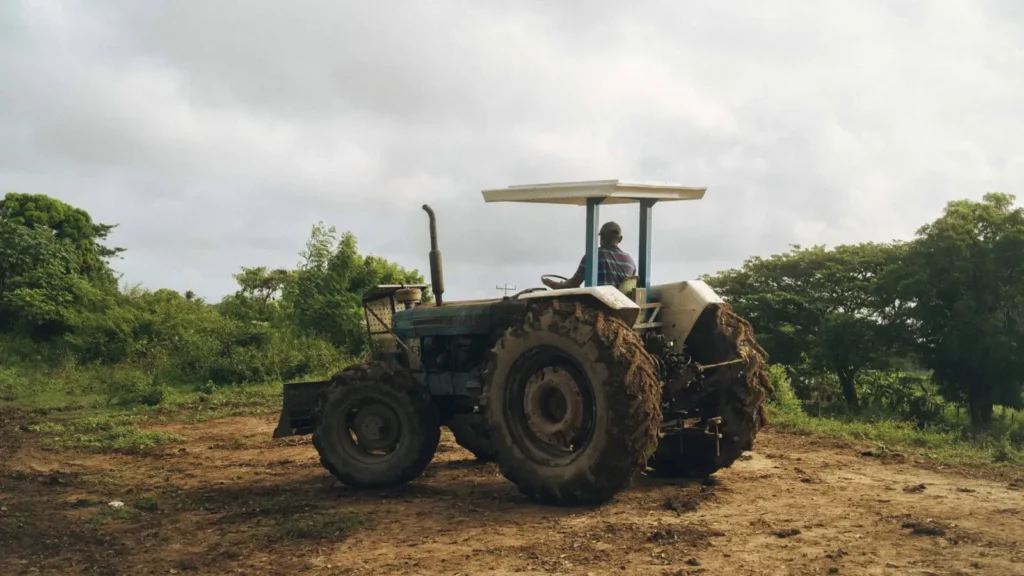
Which compact tractor tire sizes do we list?
Your tractor’s size is on the sidewall, and that is the one that matters. The table is a snapshot of sizes in our catalog on smaller rims, not a fitment list. Inch sizes are nominal, and the metric figures come from multiplying inches by 25.4.
| Size | Width and rim | Models we list | Tread |
|---|---|---|---|
| 12.4-16 | 12.4 in (315 mm) wide, 16 in (406 mm) rim | 1 | R-1 |
| 11.2-24 | 11.2 in (284 mm) wide, 24 in (610 mm) rim | 11 | R-1 |
| 12.4-24 | 12.4 in (315 mm) wide, 24 in (610 mm) rim | 11 | R-1 |
| 23×8.50-12 | 23 in (584 mm) tall, 8.5 in (216 mm) wide, 12 in (305 mm) rim | 1 | Turf (Carlisle Turf Saver, bias) |
| 27×8.50-15 | 27 in (686 mm) tall, 8.5 in (216 mm) wide, 15 in (381 mm) rim | 1 | R-4 (Ascenso SSB 331, a skid steer model) |
Two honest notes. We list no tire coded R-3 or R-14. The only R-4 we list is a skid steer tire, so check the size before you assume it fits. Want the full range? See our tractor tires and industrial tires pages.
How do you choose in four questions?
Answer these in order. The tread usually picks itself.
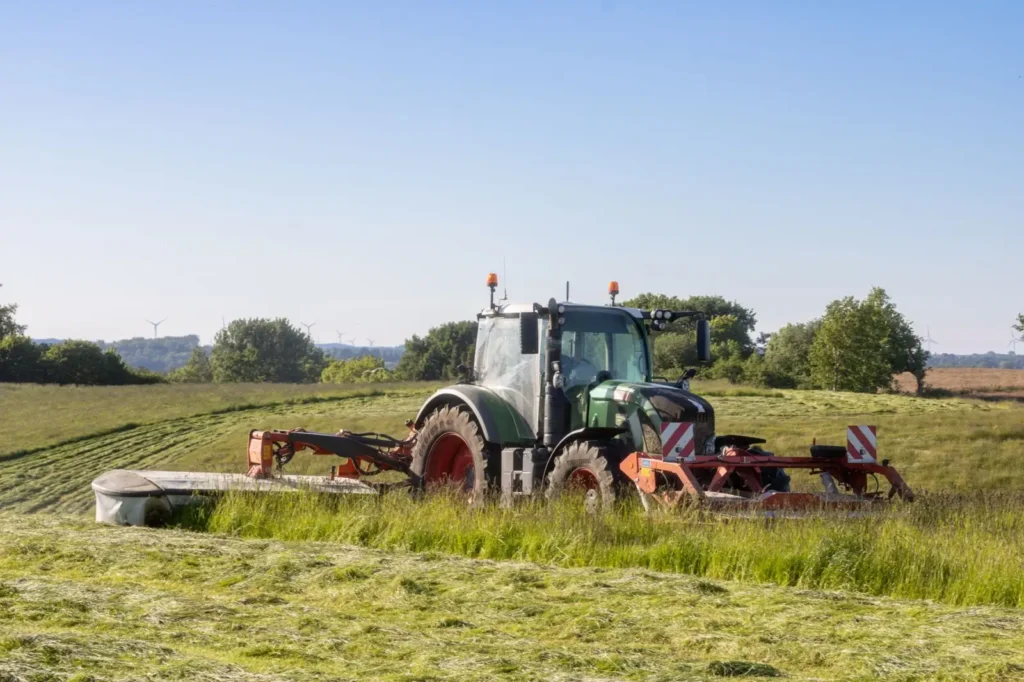
- What job do you do most? Mowing points to R-3, tilling and towing to R-1, a mix to R-4.
- What is the ground like? Compact Equipment says R-4 and R-14 suit hard surfaces, while R-1 and R-3 suit soft, muddy or turf ground.
- Do you run a loader or front-wheel assist? LSU AgCenter calls R-4 a popular compromise for exactly that setup.
- How much grass can you afford to lose? Lawn first, think R-3. Riding a mower-sized machine? See our lawn tractor tires guide.
Aggressive treads cost more up front, and they cost more in fuel and wear, according to Compact Equipment. A tread you do not need is a tread you pay for twice.
When don’t you need new compact tractor tires?
More often than you would think. We would rather tell you now than after the quote.
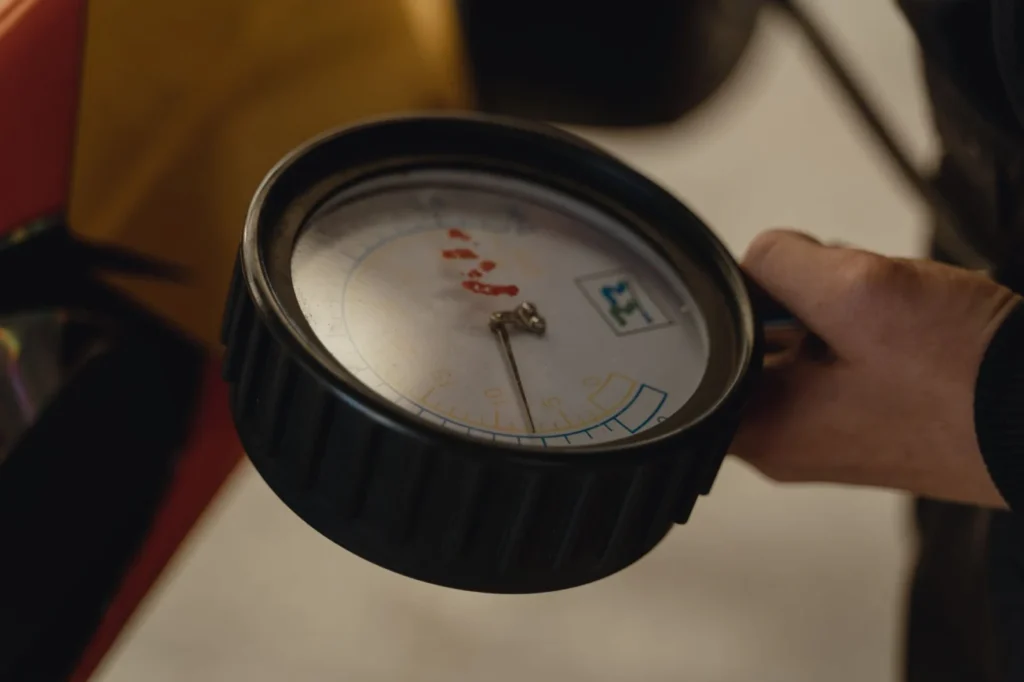
Our opinion: fix pressure and ballast before you blame the tread. Underinflation is a common problem, says Compact Equipment, and wheel slip is a number, not a feeling. The target is about 10% for front-wheel-assist tractors and 13 to 15% for two-wheel drive, per University of Kentucky Extension (AEN-93). Our tractor tire pressure guide shows how to set it. We need to have a pressurized conversation first.
- The tread suits the job and wears evenly. Keep running it.
- A puncture or slow leak. Get it repaired locally.
- Traction is the only complaint. Add wheel weights or liquid ballast, within the tire’s load limit.
- The tire is fine but the size looks odd. Check the sidewall against your manual before you buy anything.
If the tires are worn out or the tread is wrong for the work, start a quote with your sidewall size and your main job. We will tell you if it is not worth buying, even if it costs us the sale.
Compact tractors with a loader often run a 10-16.5 up front. Our 10-16.5 tractor tire guide shows its real size, ply grades and what NHS means.
Mowing is the main job? Our R3 tires guide covers the turf tread in detail.
Clearing snow with a compact tractor? Our guide to snow tires for tractors covers tread, chains and ballast.
More tractor tire guides from us:
- DOT Tractor Tires: How to Read the Date Code and Tire Age
- Snow Tires for Tractors: Do You Need Them or Chains?
- 23×8.50-12 Tires: Size, Rim Width, Ply and What They Fit
- Firestone Tractor Tires: Who Makes Them and Which Line Fits
- R2 Tractor Tires: What R-2 Rice and Cane Tread Is For
- R3 Tires: What They Are, Where They Work and When They Don't
- Trelleborg Tires: Who Owns Them, What They Make and Sizes We List
- 10-16.5 Tractor Tire: Size, Ply Ratings and What It Fits
- How to Measure Tractor Tire Size: Width, Diameter and Circumference
- R14 Tractor Tires: Hybrid Tread, Sizes and R4 vs R14
- R1 Tractor Tires: What They Are and Where They Work
- Garden Tractor Tires: Sizes, Tread and How to Choose
- Lawn Tractor Tires: Sizes, Tread and How to Choose
- R4 Tractor Tires: What They Are and When to Use Them
- Firestone Tractor Tire Size Chart: Every Size by Model
- Farm Equipment Tires: Which Type Fits Which Machine
- Rear Tractor Tires: Sizes, Tread and How to Pick a Pair
- Goodyear Tractor Tires: Who Makes Them and What Changed
- Titan Tires: Who Owns Titan, Where It Makes Them and Are They Good
- Front Tractor Tires: Which Tread, Size and Pair to Buy
- Who Makes BKT Tires? Owner, Factories and Where They're Made
- Big Tractor Tires: How Big They Get, What They Fit and Cost
- How Much Does a Tractor Tire Cost? Real Prices by Size
- IF vs VF Tires: What They Mean and When to Choose Them
- Tractor Tire Pressure: How to Set It for Load and Speed
- How to Inspect Used Tractor Tires Before You Buy
- R1 vs R1W Tractor Tires: What Is the Difference?
- Radial vs. Bias-Ply Tractor Tires: Which Should You Choose?
- Tractor Tire Size Guide: How to Read Every Number on the Sidewall
- Tractor Tire Types Explained: R1 vs R2 vs R3 vs R4
Send us your sidewall size and your main job on WhatsApp. We’ll find the tire. We’ll probably make a tread joke too. The joke is free, and it never wears out.
Questions
What are the best tires for a compact tractor?
It depends on the job. R-4 industrial tread is the most common all-round choice on compact tractors. R-1 gives the most traction in soft soil, and R-3 is the gentlest on lawns. Match the tread to what you do most.
Is R-4 or R-1 better for a compact tractor?
R-1 grips better in mud, snow and soft soil but ruts turf. R-4 grips less in mud but wears longer, resists punctures and works on both hard and soft ground. If you mix loader work, hauling and some turf, R-4 is usually the calmer pick.
Can I use R-1 tires on a compact tractor for mowing?
You can, but LSU AgCenter says R-1 farm lugs do the most damage to turf and are a poor choice for mowing. If mowing is the main job, an R-3 turf tire is the better fit.
What does R-3 mean on a tractor tire?
R-3 is the turf tread code. It has a low, wide, shallow tread with a large footprint, so it is gentle on grass. The trade-off is less grip in soft soil than an R-1 or R-4.
Do compact tractors use bias or radial tires?
Most compact tractors use bias tires, according to Compact Equipment. Radial tires are more common on larger tractors, where traction, fuel economy and road performance count for more.
What tires go on the front of a compact tractor?
Match the rear. With front-wheel assist, use a smaller farm lug tire, or the same industrial tread as the rear if the rear is R-4. On two-wheel drive, use a multi-rib tread such as F-2, and turf tread up front on turf tractors.
What tire pressure should a compact tractor run?
Use the pressure the tire maker recommends for your tire size and load. Lower pressure adds traction and ride comfort, and pressure near the maximum carries heavier loads. Check it before each use, because underinflation is a common cause of damage.
Should I add liquid ballast to compact tractor tires?
Extra weight improves traction and reduces slip, especially when pulling or lifting. You can use wheel weights or liquid ballast in the tires. Do not exceed the tire load rating or maximum pressure.