
Tire Sizing & Fitment
10-16.5 Tractor Tire: Size, Ply Ratings and What It Fits
A 10-16.5 tractor tire is a bias-ply tire about 10 inches (254 mm) wide that fits a 16.5-inch (419 mm) rim. Makers list it mainly for skid steers and compact loaders, plus backhoes and compact utility tractors. Most are marked NHS, meaning not for highway service, so keep them off the road.
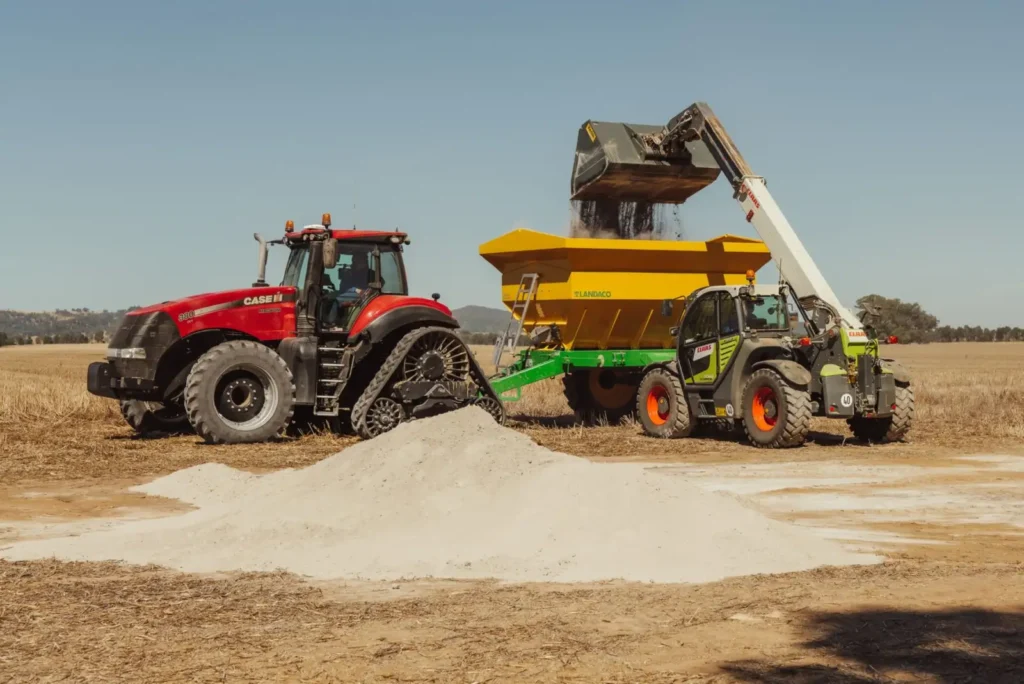
A 10-16.5 tractor tire sounds like a typo with a hyphen in it. It is not. It is a bias-ply tire about 10 inches (254 mm) wide that fits a 16.5-inch (419 mm) rim, and it turns up on more machines than the name suggests. (Several of them have no tractor anywhere on the badge.)
Here is the short version. The 10-16.5 is mostly a skid steer and compact loader size. Makers also list it for backhoes, aerial work platforms and compact utility tractors. Most carry an NHS mark, so keep them off the highway. We read Carlstar’s 10-16.5 data page, the Titan skid steer range and a US Tire Manufacturers Association bulletin to build the tables below.
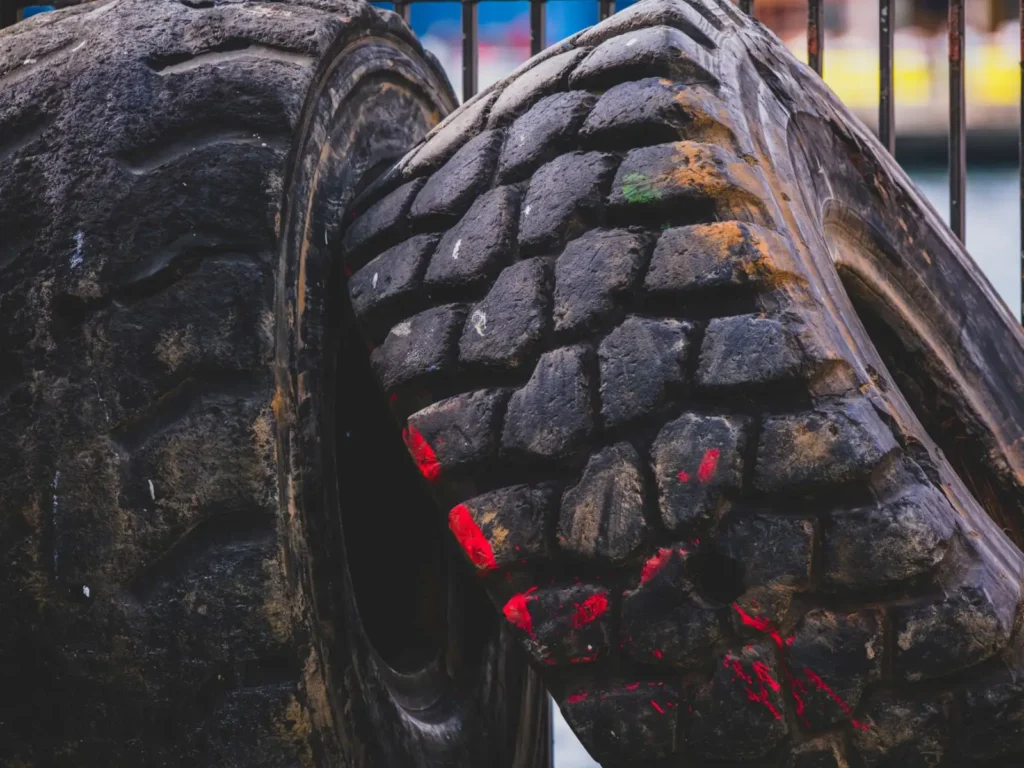
What does 10-16.5 mean on a tire?
Three parts and one dash. Read left to right.
| Part | What it tells you |
|---|---|
| 10 | Nominal section width, 10 in (254 mm). Makers list the real width at 10.8 to 10.9 in (274 to 277 mm) |
| – (the dash) | Bias-ply construction |
| 16.5 | Rim diameter, 16.5 in (419 mm) |
| NHS | Not for Highway Service, per the US Tire Manufacturers Association |
The 16.5 is the trap. A 16.5 in tire does not fit a 16 in rim, even though the two sound like cousins. Close counts in horseshoes, not in bead seats. The rim stamp should read 16.5 x 8.25, which is a rim 8.25 in (210 mm) wide. If yours disagrees, stop and measure. Our guide on how to measure tractor tire size shows how, and the tractor tire size guide decodes the rest of the sidewall.
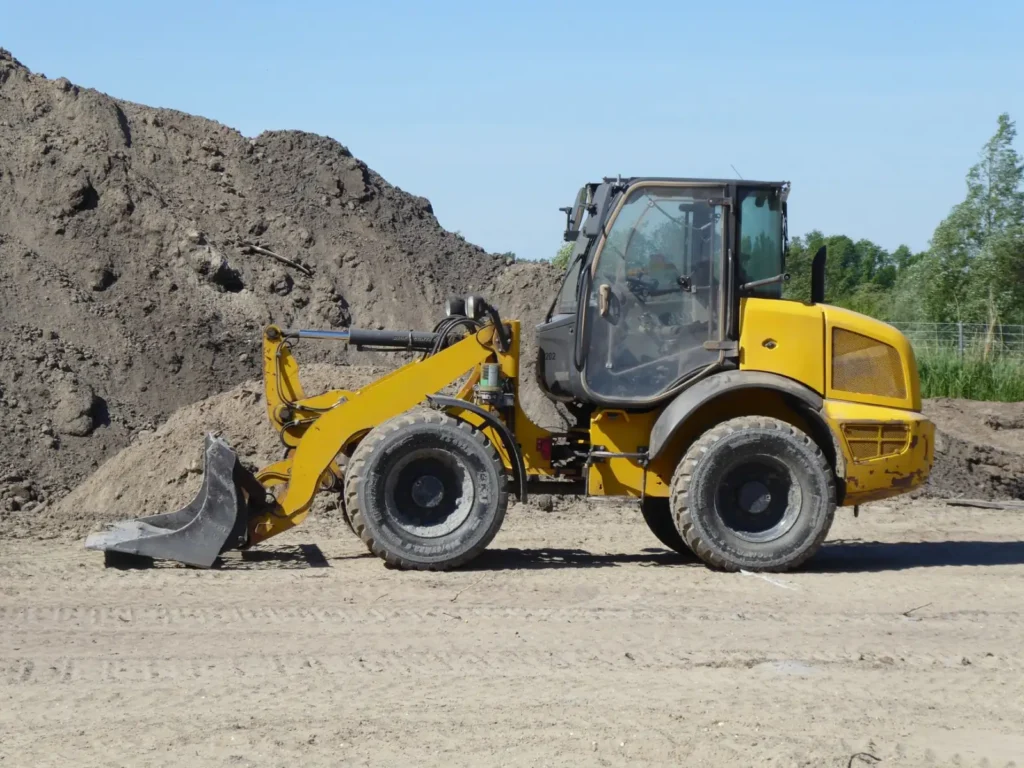
Which machines run a 10-16.5 tire?
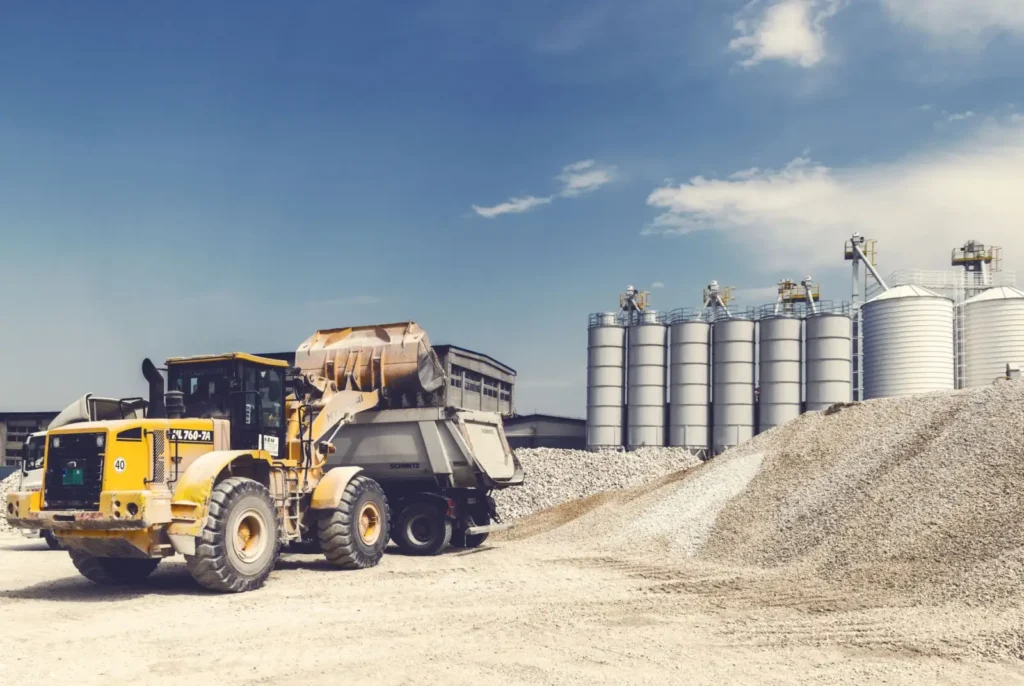
Carlstar lists its 10-16.5 for skid steers, backhoes, subcompact tractors, aerial platform lifts and rough terrain forklifts. A Titan Farm Trac Loader SS listing names skid steers, backhoes, aerial work platforms and compact utility tractors. Different makers, same short list.
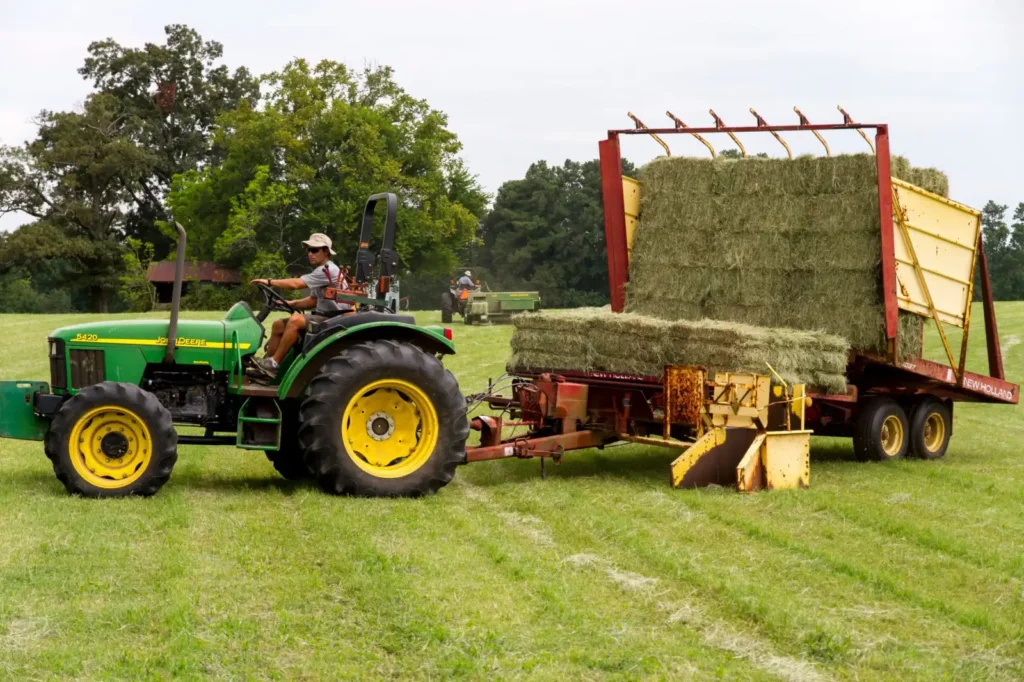
On a tractor, it is usually a front tire on a compact or subcompact. Skid steer loaders are the other big user, which is why this size has a foot in two camps. Sitting between farm and industrial, most of these tires carry an R-4 tread. Our R4 tractor tires guide covers that tread, and the compact tractor tires guide covers front-tire rules. For the loader side, see our skid steer tires page.
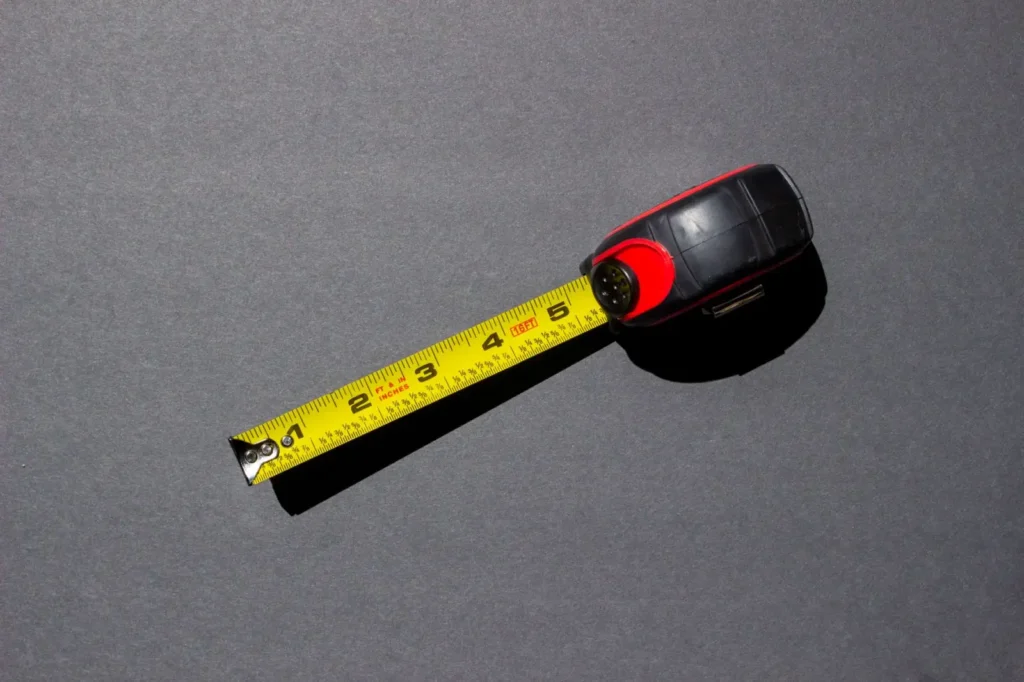
How big is a 10-16.5 tire, really?
This is where the rule of thumb breaks. Two makers, one size, almost the same numbers.
| Spec as listed | Carlstar Trac Chief XT | Titan Farm Trac Loader SS (R-4) |
|---|---|---|
| Overall diameter | 30.6 in (777 mm) | 30.3 in (770 mm) |
| Width | 10.8 in (274 mm) | 10.9 in (277 mm) |
| Rim width | 8.25 in (210 mm) | 8.25 in (210 mm) |
| Ply rating | 10 | C (6 ply) |
| Maximum pressure | 75 psi (5.2 bar) | 45 psi (3.1 bar) |
| Weight | 52.1 lb (23.7 kg) | 45 lb (20.4 kg) |
Our opinion: read the data sheet, not the rule of thumb. The 85% rule for old inch sizes predicts about 33.5 in (851 mm) here, which is a 16.5 in rim plus two 8.5 in sidewalls. The makers list 30.3 to 30.6 in (770 to 777 mm). That is about 3 in (76 mm) of difference, because the rule was built for farm sizes and loader tires sit lower. Treat any 85% figure for this size, ours included, as a rough estimate. Our tire diameter calculator is fine for farm sizes, so check it against a data sheet here.
Which ply rating and tread should you pick?
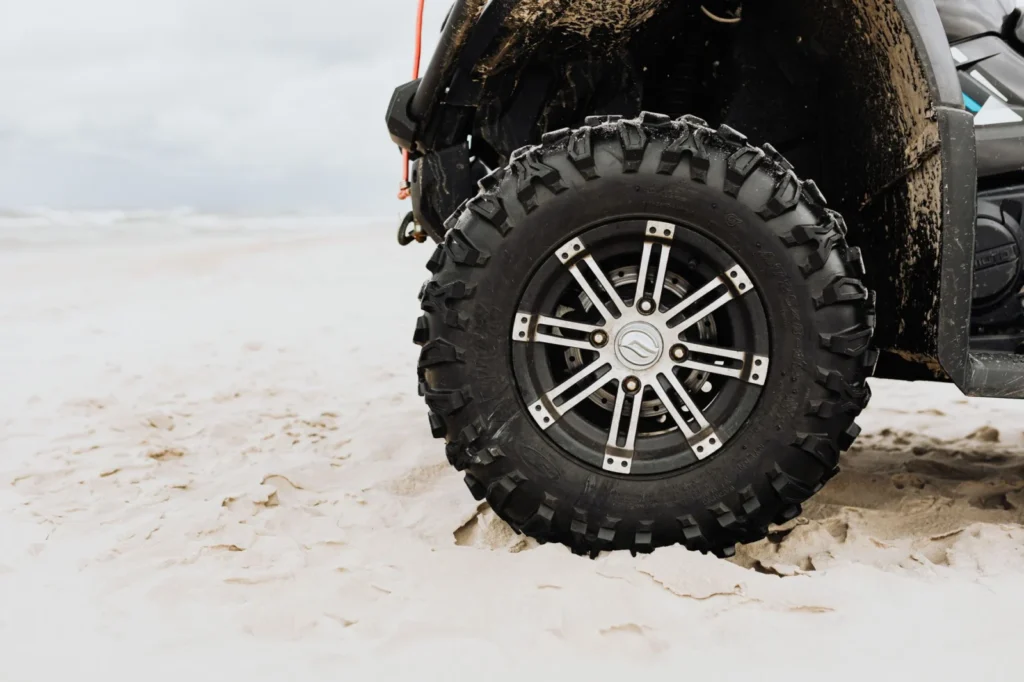
Ply rating is a strength grade, not a head count. Nobody is counting layers. Higher means a tougher sidewall and more pressure and load. The same size comes in several grades:
| Listing | Ply | Max pressure | Rated load | Tread depth |
|---|---|---|---|---|
| Carlstar Trac Chief XT | 10 | 75 psi (5.2 bar) | 4,710 lb (2,136 kg) | Not listed |
| Titan 10-16.5NHS SkdSteer | 10PR | 75 psi (5.2 bar) | 3,080 lb (1,397 kg) | 19/32 in (15 mm) |
| Titan Farm Trac Loader SS | C (6 ply) | 45 psi (3.1 bar) | Not listed | Not listed |
Look at rows one and two. Both are 10-ply at 75 psi, yet their rated loads sit 1,630 lb (739 kg) apart. Makers rate loads their own way, so use the data sheet for your exact tire. Rule of thumb: never go below the ply rating your manual asks for. Going up is usually fine if the rim and pressure allow, but the sidewall gets stiffer.
For tread, the Titan Farm listing describes an open center lug that adds traction and cleans itself in mud. That is the R-4 look. We list two 10-16.5 models, both bias skid steer tires: the Ascenso SSB 331 (R-4, 10 ply) and the Ozka KNK66 (12PR TL). We list no radial 10R16.5. Our 10-16.5 size page shows the models, and the 10R16.5 page says what the radial version is.
Is a 12-16.5 a drop-in swap for a 10-16.5?
No. Both use a 16.5 in rim diameter, but the 12-16.5 is wider and wants a wider rim. Titan lists it on a 9.75 in (248 mm) rim, not the 8.25 in (210 mm) of the 10-16.5. Moving up a size is not a tire swap. It is a rim negotiation.
| Spec (Titan SkdSteer listings) | 10-16.5NHS | 12-16.5NHS |
|---|---|---|
| Ply rating | 10PR | 12PR |
| Maximum pressure | 75 psi (5.2 bar) | 80 psi (5.5 bar) |
| Rated load | 3,080 lb (1,397 kg) | 4,180 lb (1,896 kg) |
| Recommended rim | 8.25 in (210 mm) | 9.75 in (248 mm) |
| Tread depth | 19/32 in (15 mm) | 17/32 in (13 mm) |
| Weight | 46 lb (21 kg) | 55 lb (25 kg) |
A swap also needs clearance in the wheel wells, so check your machine’s manual first. Our 12-16.5 size page lists what we carry in the wider size.
When don’t you need new 10-16.5 tires?
More often than a quote button would like. Check these first.
- The pressure is off. Put a gauge on it before you blame the tire. Our tractor tire pressure guide shows how to set it.
- The puncture is repairable. Get it repaired locally.
- The lugs are even and still deep. Keep running them.
- Your machine runs a different size. Do not downsize because 10-16.5 is easier to find.
- You want to drive them on the highway. The US Tire Manufacturers Association says using NHS tires in highway service may result in tire failure. Tread carefully, and trailer the machine.
Tires worn out? Send us your sidewall size and the machine it goes on, and ask for a quote. We will say so if you do not need to buy. For the wider range, see our industrial tires and tractor tires pages.
More tractor tire guides from us:
- DOT Tractor Tires: How to Read the Date Code and Tire Age
- Snow Tires for Tractors: Do You Need Them or Chains?
- 23×8.50-12 Tires: Size, Rim Width, Ply and What They Fit
- Firestone Tractor Tires: Who Makes Them and Which Line Fits
- R2 Tractor Tires: What R-2 Rice and Cane Tread Is For
- R3 Tires: What They Are, Where They Work and When They Don't
- Trelleborg Tires: Who Owns Them, What They Make and Sizes We List
- Tires for Compact Tractors: R1, R3 or R4 Tread?
- How to Measure Tractor Tire Size: Width, Diameter and Circumference
- R14 Tractor Tires: Hybrid Tread, Sizes and R4 vs R14
- R1 Tractor Tires: What They Are and Where They Work
- Garden Tractor Tires: Sizes, Tread and How to Choose
- Lawn Tractor Tires: Sizes, Tread and How to Choose
- R4 Tractor Tires: What They Are and When to Use Them
- Firestone Tractor Tire Size Chart: Every Size by Model
- Farm Equipment Tires: Which Type Fits Which Machine
- Rear Tractor Tires: Sizes, Tread and How to Pick a Pair
- Goodyear Tractor Tires: Who Makes Them and What Changed
- Titan Tires: Who Owns Titan, Where It Makes Them and Are They Good
- Front Tractor Tires: Which Tread, Size and Pair to Buy
- Who Makes BKT Tires? Owner, Factories and Where They're Made
- Big Tractor Tires: How Big They Get, What They Fit and Cost
- How Much Does a Tractor Tire Cost? Real Prices by Size
- IF vs VF Tires: What They Mean and When to Choose Them
- Tractor Tire Pressure: How to Set It for Load and Speed
- How to Inspect Used Tractor Tires Before You Buy
- R1 vs R1W Tractor Tires: What Is the Difference?
- Radial vs. Bias-Ply Tractor Tires: Which Should You Choose?
- Tractor Tire Size Guide: How to Read Every Number on the Sidewall
- Tractor Tire Types Explained: R1 vs R2 vs R3 vs R4
Send us your sidewall size on WhatsApp and we’ll find the tire. We’ll probably make a tread joke on the way. The joke is free, and it comes tubeless.
Questions
What size is a 10-16.5 tire?
It is about 10 in (254 mm) wide on a 16.5 in (419 mm) rim. Makers list the real width at 10.8 to 10.9 in (274 to 277 mm) and the overall diameter at 30.3 to 30.6 in (770 to 777 mm). The dash marks bias-ply construction.
What does NHS mean on a 10-16.5 tire?
NHS means Not for Highway Service. The US Tire Manufacturers Association says these tires are made for off-highway work such as farm, lawn and garden and industrial use, and that using them in highway service may result in tire failure.
What machines use a 10-16.5 tire?
Makers list it for skid steers, backhoes, aerial work platforms, rough terrain forklifts and compact or subcompact utility tractors. On a tractor it is usually a front tire. Check your sidewall and manual before you buy.
Is 10-16.5 the same as 10x16.5?
Yes. Both write the same size, a tire about 10 in (254 mm) wide for a 16.5 in (419 mm) rim. Some sellers write an x, some a dash. The sidewall and your manual are the final word.
Will a 10-16.5 tire fit a 16 inch rim?
No. The 16.5 means a 16.5 in (419 mm) rim diameter, and a 16 in rim is a different bead seat. Look for a rim stamp that reads 16.5 x 8.25 before you order.
How many ply should a 10-16.5 tire be?
Listings range from C (6 ply) to 10PR and 12PR. Never go below the ply rating your manual calls for. A higher rating is usually fine if the rim and pressure allow, but the sidewall will be stiffer.
Can I use 10-16.5 NHS tires on the road?
Not for normal highway driving. The US Tire Manufacturers Association says NHS tires are not built for highway speeds, temperatures or stresses. Move the machine on a trailer, or use a tire made for the road.
What is the difference between 10-16.5 and 12-16.5?
Both fit a 16.5 in rim diameter, but the 12-16.5 is wider. Titan lists it on a 9.75 in (248 mm) rim against 8.25 in (210 mm) for the 10-16.5, with a higher rated load of 4,180 lb (1,896 kg) against 3,080 lb (1,397 kg).