
Tire Types & Tread Patterns
Snow Tires for Tractors: Do You Need Them or Chains?
Snow tires for tractors are not a separate product in the sources we read. Owners and safety pages point to three fixes instead: a lugged tread such as R-1, chains for ice and drifts, and enough ballast over the rear axle. Chains cost far less than a second set of tires.
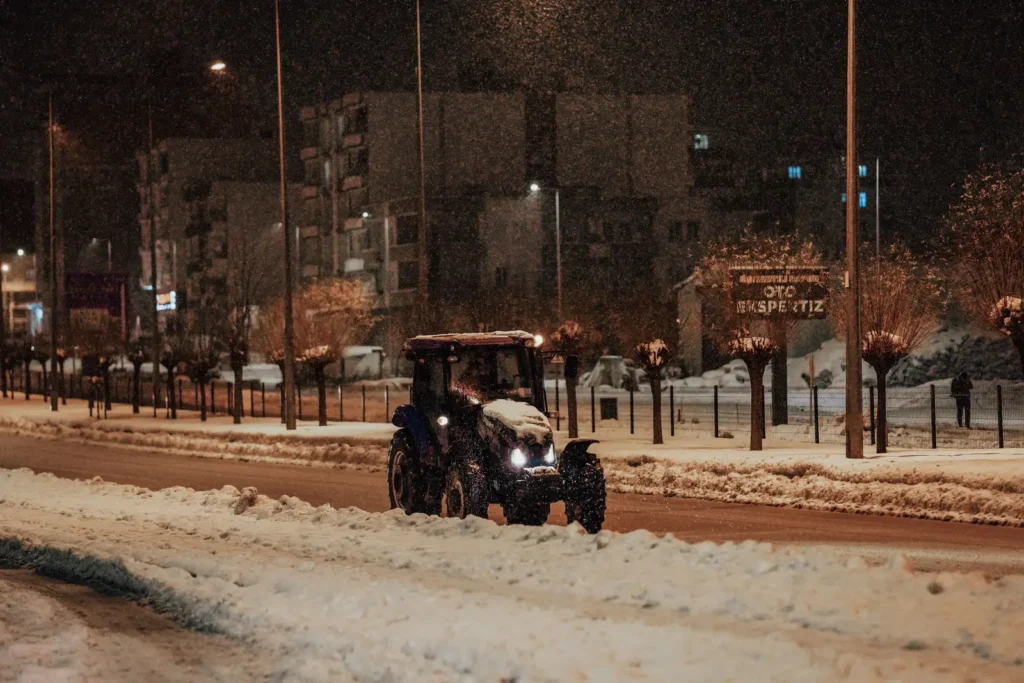
Snow tires for tractors sound like an easy fix. Then you start reading and find forum threads, chain reviews and one very confident man with a plow. Let’s break the ice.
Here is the short version. Most tractors do not need dedicated snow tires. In everything we read, winter grip comes from three things: a tread that bites, chains for ice and drifts, and enough weight over the rear axle. We read a North Dakota State University safety page, a chain buyer’s guide, Nokian’s own tractor tire news and a pile of TractorByNet owner threads.
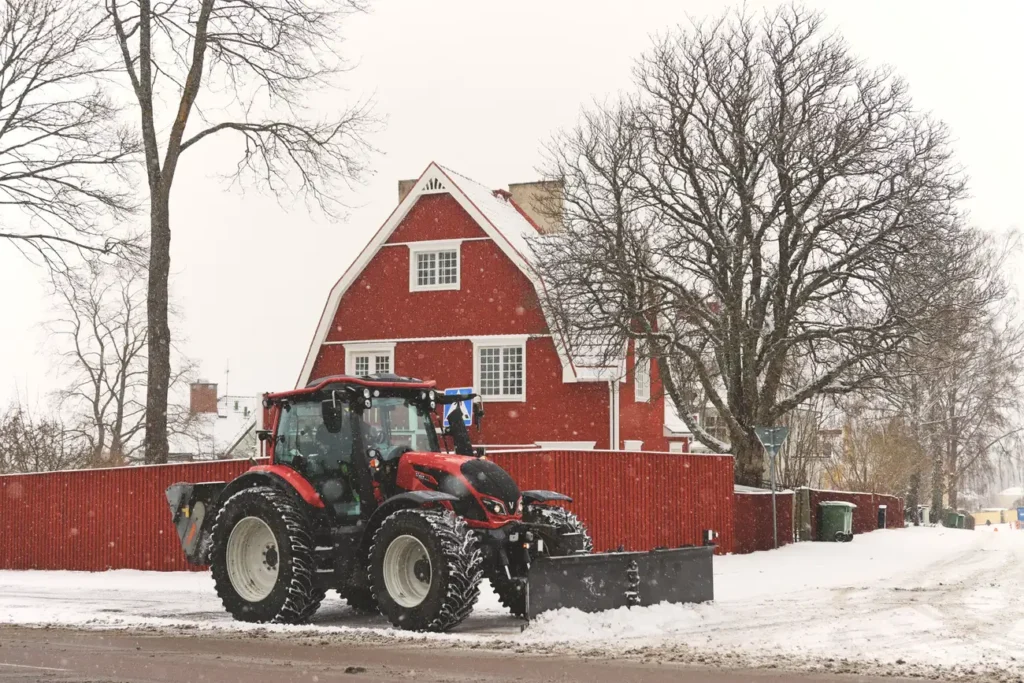
Do tractors need snow tires?
Not the way a car does. None of the pages we read describe a tractor snow tire as its own product. They talk about tread, chains and ballast. Tractor tires already have lugs, so the real question is whether yours are the right lugs for the job.
The honest answer depends on the work. Clearing a gravel lane once a week is one job. Pushing a 9 ft (2.7 m) blade up a sloped driveway all winter is another. If your lugs are worn flat, new tires help. If your tires are fine, chains are the cheaper next step. Our guide to tractor tire types shows what each tread code is built for.
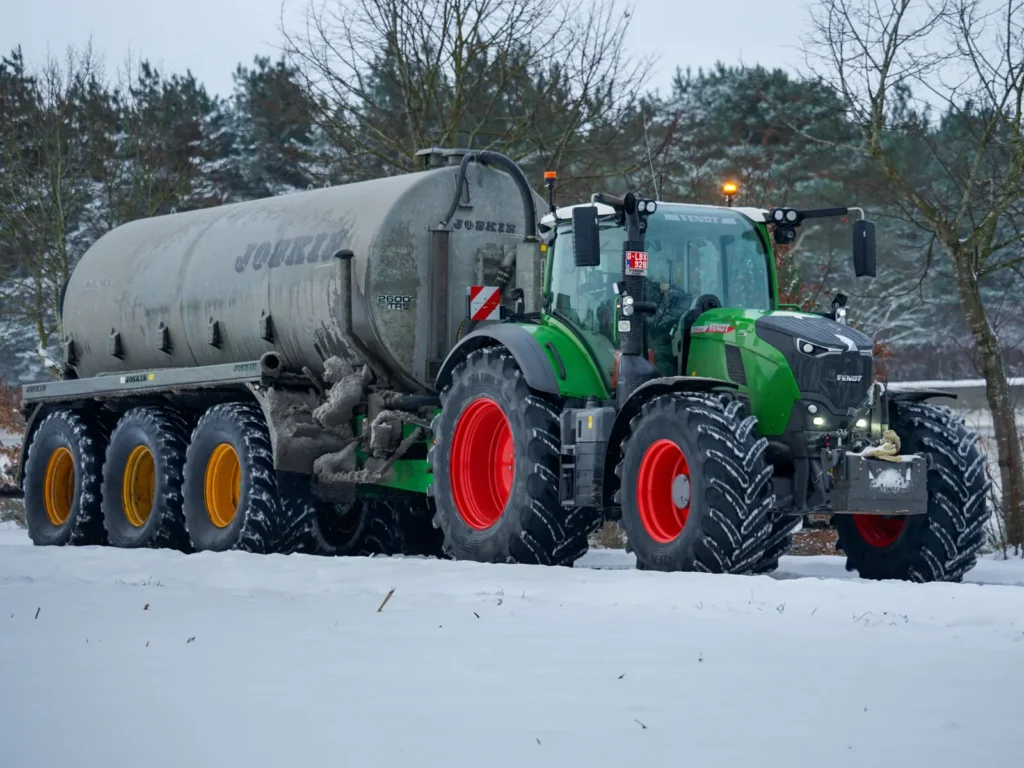
Which tread works best in snow: R-1, R-3 or R-4?
TractorByNet owners disagree, and politely. The table sums up their replies. These are owner reports, not lab tests, so read them as field notes.
| Tread | What owners report | Watch out for |
|---|---|---|
| R-1 ag | One owner has run them for years and finds them enough. Another says the lugs can bite deep, loose snow. | Lugs tear up a lawn |
| R-3 turf | Some say turf beats ag tires “hands down” for clearing. Others say it is “made for turf, not snow.” Older large-diamond turf treads did poorly. | Weak on ice |
| R-4 industrial | Most owners found it weak in snow. Lugs slide and wet snow packs them. One owner ranked traction worst to best as R-4, R-1, turf, then chains. | Clogging |
| Any tread plus chains | One owner reports a “massive” difference pushing a 9 ft (2.7 m) plow. | Cost and pavement marks |
The pattern is simple. Lugs that dig do better than lugs that slide. Our R1 tractor tires guide covers the deep-lug option, and our R3 tires guide and R4 tractor tires guide explain why turf and industrial tread struggle when the surface turns soft. On a small machine, see tires for compact tractors. Still unsure? The tread type picker narrows it down.
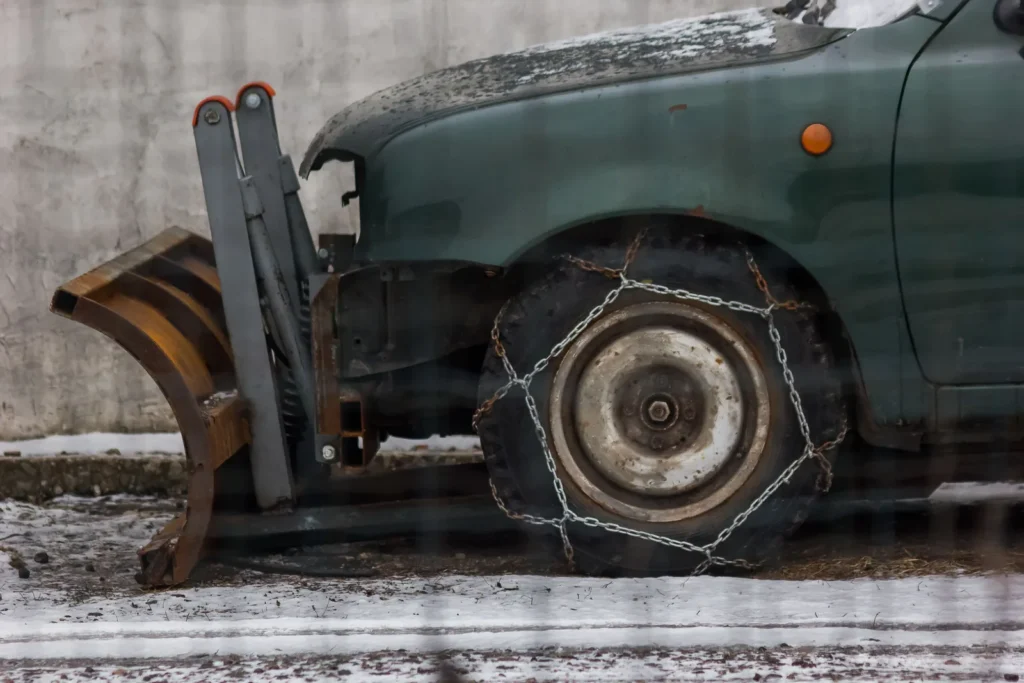
Are chains better than a second set of tires?
Many owners say yes. One calls chains a fix that works wonders and costs far less than a second set of tires. Chains are the winter coat of the tire world: not pretty, very effective. The chain buyer’s guide at Finding Dulcinea explains the patterns.
| Chain type | What the guide and owners say | Suits |
|---|---|---|
| Ladder, 2-link | Tighter spacing, smoother ride | Paved or mixed surfaces |
| Ladder, 4-link | Wider spacing | Off-road work and deep-lug R-1 tires |
| Diamond | Better side grip and a smoother ride, but it costs more and is harder to install | Slopes |
| Duo | A mix of ladder and diamond. One owner found it rougher than ladder | All-round use |
| V-bar and studded | Need more clearance and can mark pavement | Hard ice |
| Rubber | Owners say they hold up and do not damage driveways | Paved driveways |
Fit matters. Read the size off your sidewall, such as 12-16.5 or 23×10.50-12, and match it to the chain’s size list. The guide suggests leaving 1.5 to 2 in (38 to 51 mm) of clearance beyond the tire and ordering tensioners with the chains. If the sidewall is hard to read, our tractor tire size guide decodes it. Metal chains can mark a paved driveway, so tread carefully there.
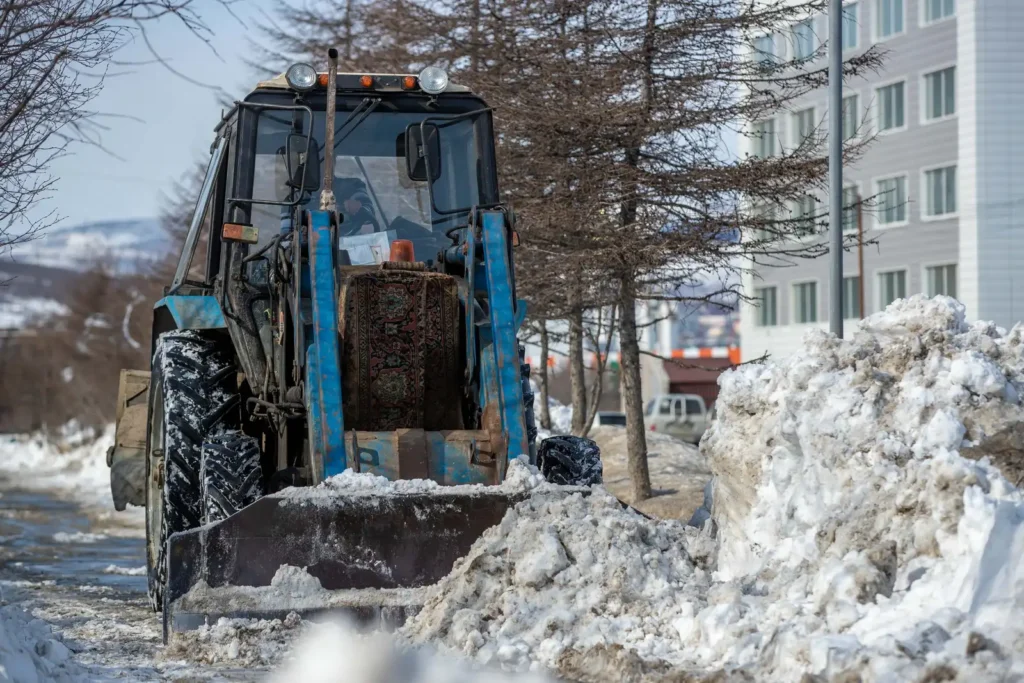
Are Nokian tractor tires winter tires?
The name makes people assume so. Nokian’s own news says otherwise. It describes the Tractor King as built for forestry, earthmoving and road maintenance, with a wide tread for more contact area and a double lug for more tractive edges. The page does not mention winter or snow. You can read it in Wood Business.
We list four Nokian models on our Nokian brand page. All are radial. We do not list a studded or snow-specific tractor tire, and we will not pretend otherwise.
| Model | Build | Sizes we list |
|---|---|---|
| Tractor King | Radial drive tire | 600/65R28, 650/65R38, 710/70R42 |
| Ground King | Radial drive tire | 600/65R28, 650/65R38, 710/70R42 |
| TRI 2 | Radial drive tire | 480/80R34, 650/65R38, 710/70R42 |
| Country King | Radial flotation tire | 560/60R22.5, 600/50R22.5, 710/50R26.5 |
Radial sizes read width in millimeters, then aspect ratio, then rim in inches. So 600/65R28 is 600 mm (23.6 in) wide on a 28 in (711 mm) rim. For the build difference, see our radial vs bias guide.
Why do weight and brakes matter more than tread on ice?
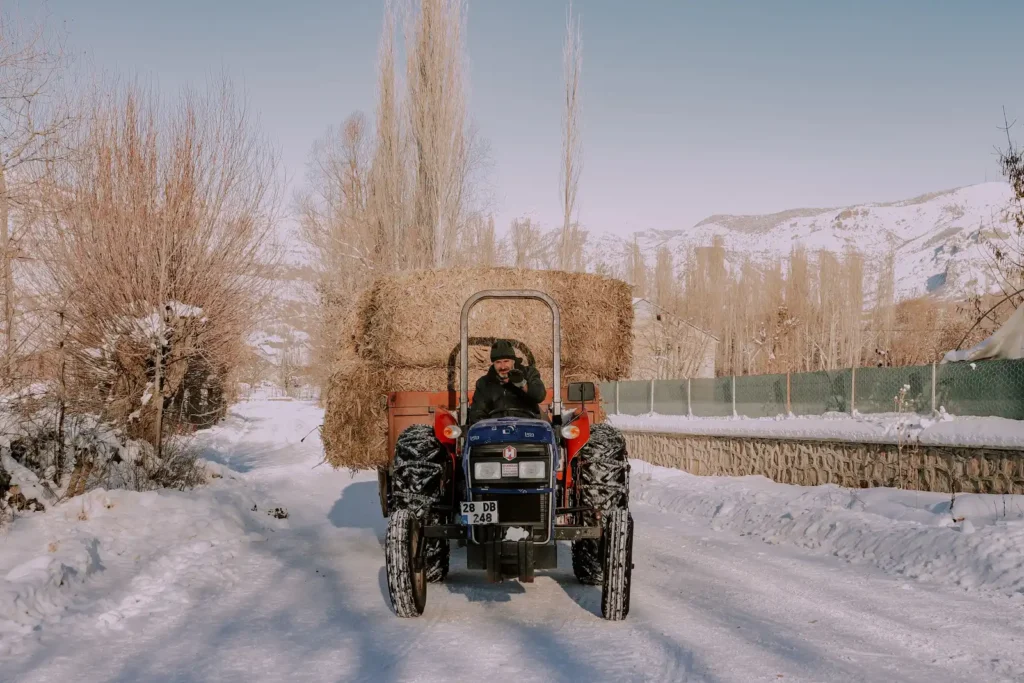
Because a tractor that cannot stop is a bigger problem than one that cannot climb. NDSU’s winter tractor safety page says most two-wheel-drive tractors brake on the rear wheels only. Front-wheel assist adds limited stopping, and only true four-wheel-drive tractors have four-wheel braking. A heavy loader bucket makes it worse, so keep loads and speeds low.
The same page says ballast matters in every season and more in winter. It recommends calcium chloride solution in the rear tires or solid weights, and calls solid weights the most stable. It also says never use pure water, because it can freeze and make the tractor unsafe at anything faster than a walk.
Our opinion: sort out weight and slip before you buy tires. University of Kentucky Extension (AEN-93) puts target wheel slip at about 10% for MFWD and 13 to 15% for 2WD. Spinning wheels on snow are slip well past those figures, and weight and pressure are free to check. Start with our tractor tire pressure guide and the ballast calculator. Owners add one more tip: stay in 4WD and use the differential lock on steep or icy grades.
When don’t you need snow tires or a second set?
More often than you would think. We would rather say so now than after the quote. It is snow joke when the fix costs nothing.
- Your lugs are deep and the tractor already moves snow. Keep running them.
- The tractor is light at the back. Add ballast first, with calcium chloride or solid weights, never water.
- It only slips on ice. Chains fix that and a new tread will not.
- You want to protect the lawn. Owners warn that R-1 and R-4 lugs tear turf, so a pair of chains on your current tires may suit better than a swap.
- You clear light snow now and then. Owners say R-1 lugs are often enough.
If your tires are worn flat or the tread is wrong for the job, start a quote with your sidewall size, your tractor and what you plow. Browse our tractor tires in the meantime. We will tell you if it is not worth buying, even if it costs us the sale.
More tractor tire guides from us:
- DOT Tractor Tires: How to Read the Date Code and Tire Age
- 23×8.50-12 Tires: Size, Rim Width, Ply and What They Fit
- Firestone Tractor Tires: Who Makes Them and Which Line Fits
- R2 Tractor Tires: What R-2 Rice and Cane Tread Is For
- R3 Tires: What They Are, Where They Work and When They Don't
- Trelleborg Tires: Who Owns Them, What They Make and Sizes We List
- 10-16.5 Tractor Tire: Size, Ply Ratings and What It Fits
- Tires for Compact Tractors: R1, R3 or R4 Tread?
- How to Measure Tractor Tire Size: Width, Diameter and Circumference
- R14 Tractor Tires: Hybrid Tread, Sizes and R4 vs R14
- R1 Tractor Tires: What They Are and Where They Work
- Garden Tractor Tires: Sizes, Tread and How to Choose
- Lawn Tractor Tires: Sizes, Tread and How to Choose
- R4 Tractor Tires: What They Are and When to Use Them
- Firestone Tractor Tire Size Chart: Every Size by Model
- Farm Equipment Tires: Which Type Fits Which Machine
- Rear Tractor Tires: Sizes, Tread and How to Pick a Pair
- Goodyear Tractor Tires: Who Makes Them and What Changed
- Titan Tires: Who Owns Titan, Where It Makes Them and Are They Good
- Front Tractor Tires: Which Tread, Size and Pair to Buy
- Who Makes BKT Tires? Owner, Factories and Where They're Made
- Big Tractor Tires: How Big They Get, What They Fit and Cost
- How Much Does a Tractor Tire Cost? Real Prices by Size
- IF vs VF Tires: What They Mean and When to Choose Them
- Tractor Tire Pressure: How to Set It for Load and Speed
- How to Inspect Used Tractor Tires Before You Buy
- R1 vs R1W Tractor Tires: What Is the Difference?
- Radial vs. Bias-Ply Tractor Tires: Which Should You Choose?
- Tractor Tire Size Guide: How to Read Every Number on the Sidewall
- Tractor Tire Types Explained: R1 vs R2 vs R3 vs R4
Send us your sidewall size and what you plow on WhatsApp. We’ll find the tire. We’ll probably make a snow joke as well. The joke is free. The chains, sadly, are not.
Questions
Do tractors need snow tires?
Not as a separate product, going by the sources we read. Owners and safety pages point to tread, chains and ballast. If your lugs are worn flat, new tires help. If they are fine, try chains and weight first.
Are R1 or R4 tires better in snow?
TractorByNet owners mostly rate R-4 weakest, because the lugs slide and wet snow packs them. R-1 lugs can bite deep, loose snow, though they tear up a lawn. Chains improved both in the owner reports we read.
Are turf tires good in snow?
Owners split. Some prefer turf for clearing snow, and others say it is made for turf, not snow. Older large-diamond turf treads did poorly. Chains help turf tires on ice.
Which chains fit my tractor tires?
Match the size on your sidewall, such as 12-16.5 or 23x10.50-12, to the chain's size list. Leave 1.5 to 2 in (38 to 51 mm) of clearance beyond the tire and fit tensioners. Four-link ladder chains suit deep-lug R-1 tires, and two-link suits paved or mixed surfaces.
Will tire chains damage my driveway?
Metal chains can mark pavement, and V-bar and studded types need more clearance and can mark it too. Owners with paved driveways report that rubber chains hold up and do not damage the surface.
Is the Nokian Tractor King a winter tire?
Nokian's own news describes it for forestry, earthmoving and road maintenance and does not mention winter use. We list four Nokian models, all radial. We do not list a studded or snow-specific tractor tire.
Can I fill my tractor tires for winter?
NDSU recommends calcium chloride solution in the rear tires or solid weights, and says solid weights are the most stable. It warns never to use pure water, because it can freeze and make the tractor unsafe to drive.
How do I get more traction in snow without new tires?
Add ballast, check your pressure, fit chains, and stay in 4WD with the differential lock on steep or icy grades, as owners suggest. Keep loader loads low and speeds down, as NDSU advises.